JOURNAL • BRIAN ROSE

New York/Salt Shed

by admin on 11/06/2015, 6 comments

I can remember back in the 90s when it seemed that New York had become an architectural backwater. I was living in Amsterdam, and a Dutch planner friend, about to leave for a trip to New York, asked what interesting new buildings to look for. I was momentarily silent — nothing immediately came to mind. I ended up recommending a few contextually sensitive projects that were admirable if not exactly innovative.

Innovation is not everything, in architecture or in other fields, but the lack of it in the 90s suggested a city treading water creatively. That sense of stasis is long gone for a variety of complex reasons — the post 9/11 vitality of the city is an area rich for exploration by journalists and social scientists. I am neither of those. But I am a photographer of the urban landscape, and there is much to observe in the swift rapids of the present.

travelwide
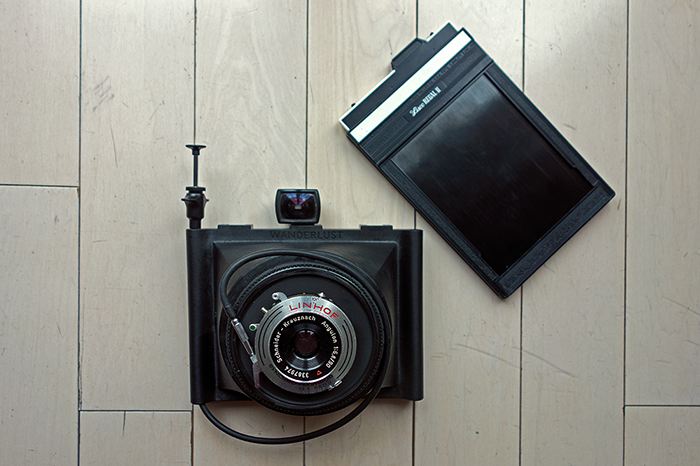
Travel wide 4×5 camera with film holder — © Brian Rose

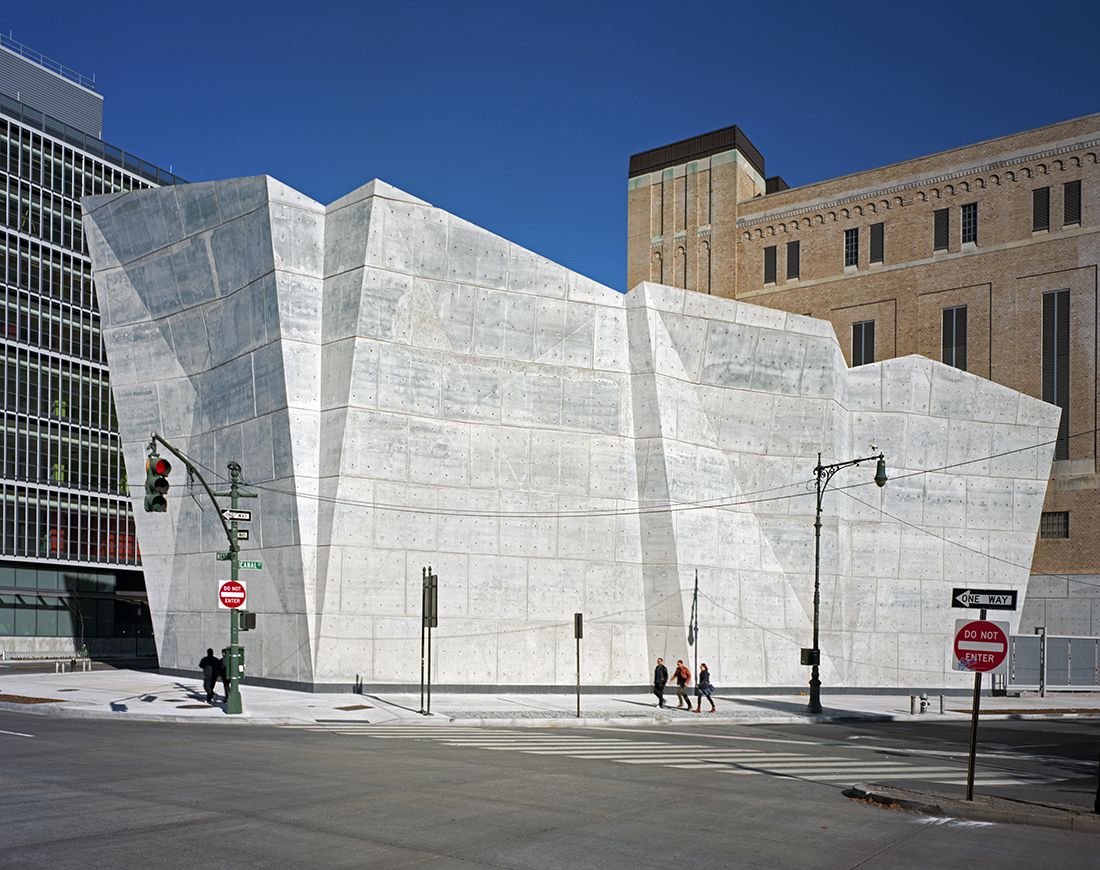
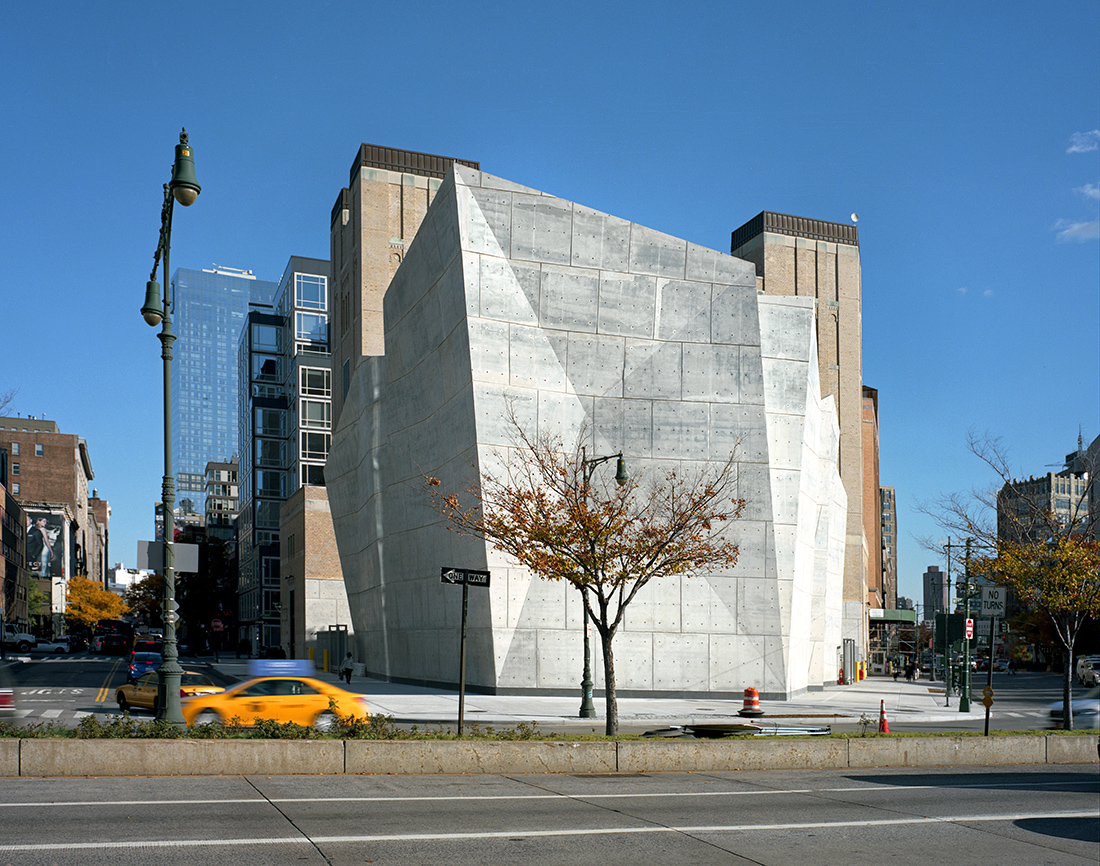
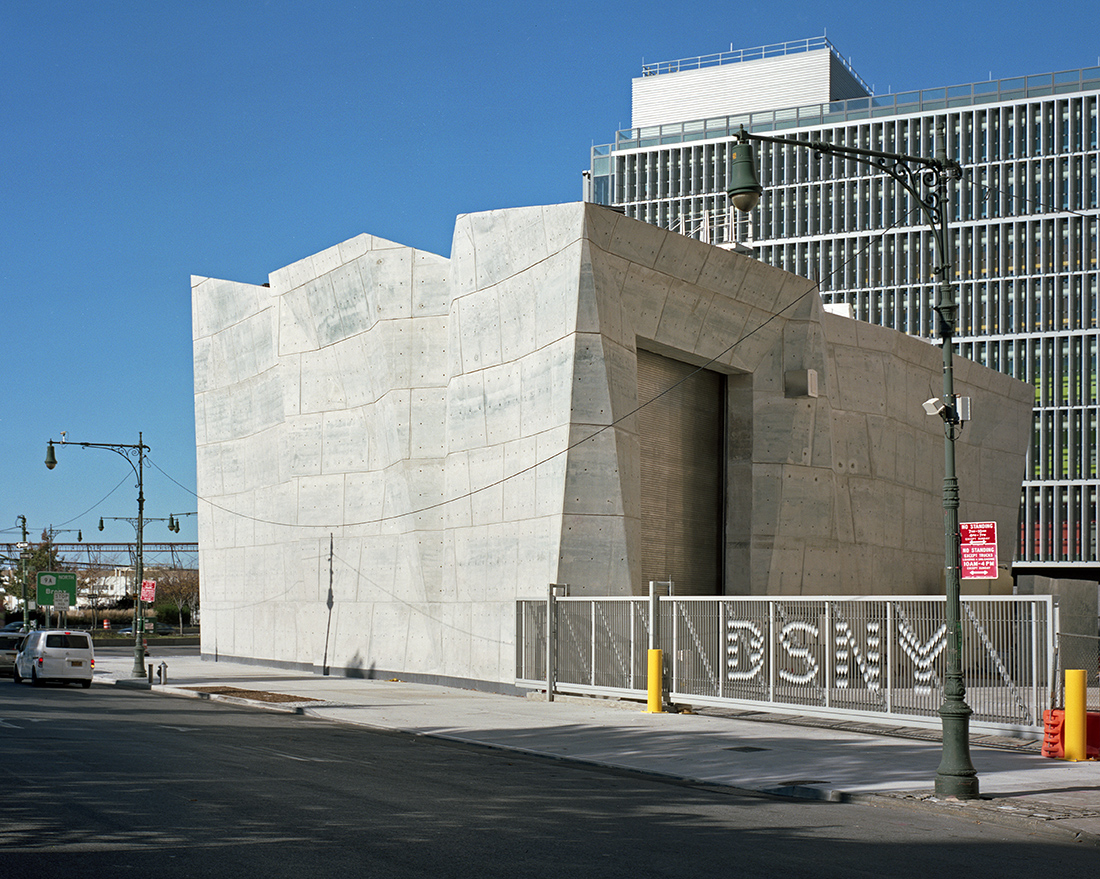
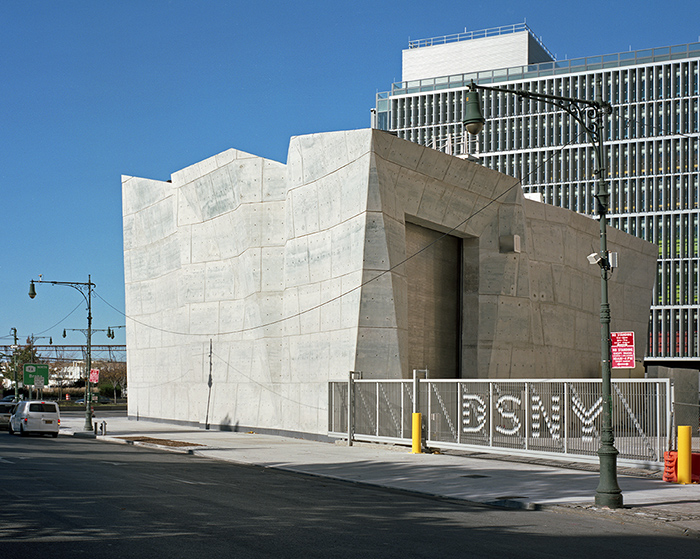
Architecture can be dramatic or prosaic, showy or utilitarian, but usually not both simultaneously. Let me tell you about a salt shed in lower Manhattan on Canal Street. I had just gotten a new camera to play with — a hand holdable 4×5 camera designed by a couple of guys in Chicago funded by a Kickstarter campaign. As small as a DSLR and half as light. I decided to take it out for a spin to see how it would work for me photographing a building. My wife works in the Hudson Square area, the old printing district west of Soho, and she suggested I take a look at the new Spring Street salt shed designed by Dattner Architects, a New York based architectural firm.

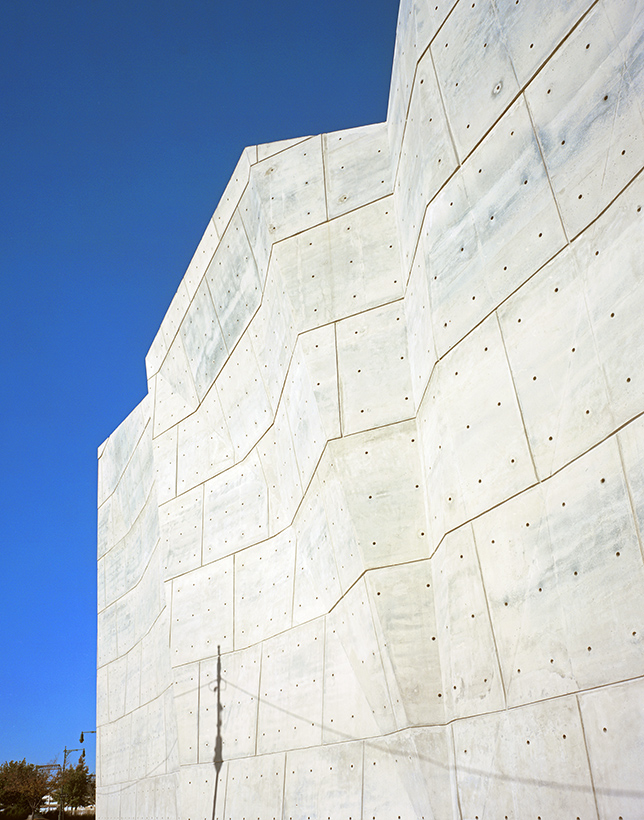
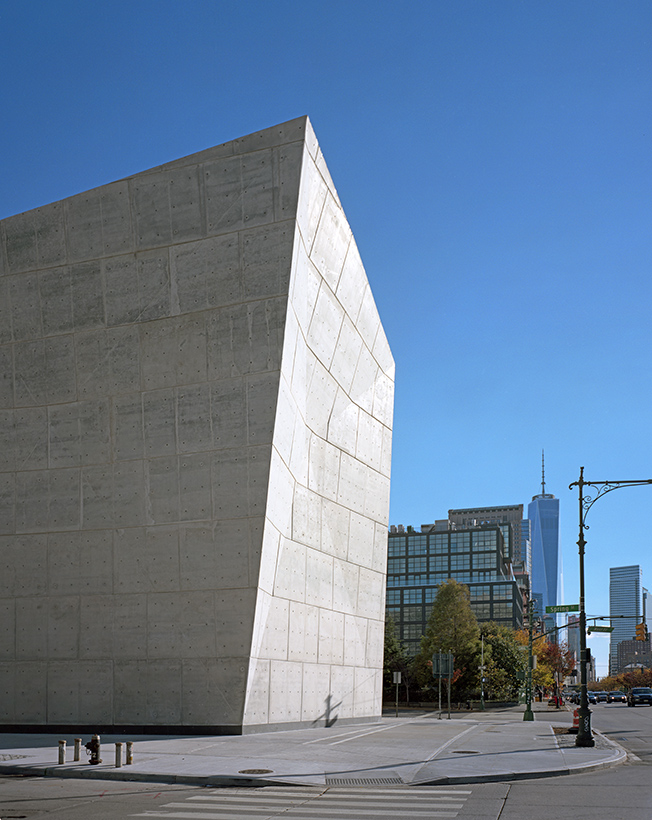
It is just that. A shed meant for storing the stuff used to melt ice and snow on the streets of the city. But instead of the usual metallic tent-like structure, there is, here, a multi-facetted shard of concrete looking very much like a salt crystal, or at least that’s what two different sanitation workers passing by told me while I was taking pictures. And it has walls three feet thick. They loved it.

Here it is:

sh_001
© Brian Rose

sh_010
© Brian Rose

sh_003
© Brian Rose

sh_012
© Brian Rose

sh_015
© Brian Rose


New York/Frances Goldin

by admin on 11/02/2015, no comments

moses_exhibit
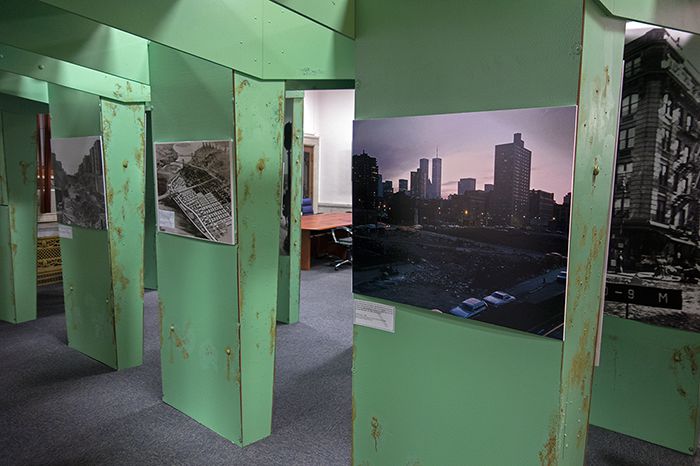
In the Shadow of the Highway: Robert Moses’ Expressway and the Battle for Downtown
— © Brian Rose

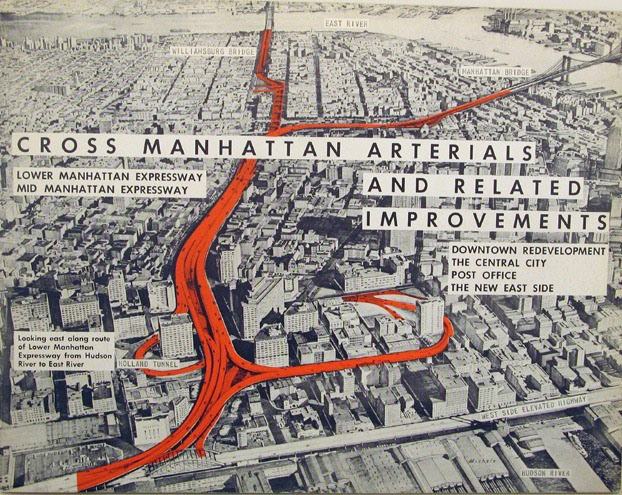
One of my Lower East Side photographs is part of an interesting exhibition about one of Robert Moses’ last projects, a proposed elevated highway that would have connected the Holland Tunnel to the Williamsburg Bridge and an offshoot to the Manhattan Bridge.

13-lomex-brochure
Lower Manhattan Expressway brochure

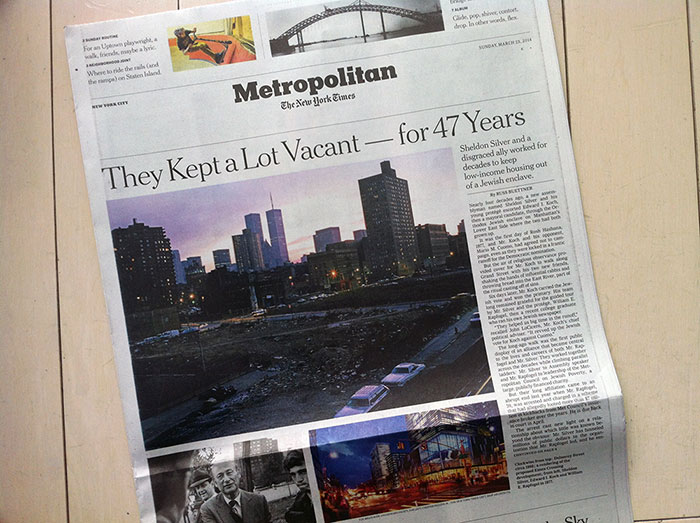
NYT_spura
New York Times article about Seward Park site — © Brian Rose

Had Moses not been stopped, Soho would have been largely destroyed, and highways would have torn through parts of the Lower East Side. A piece of that imminent destruction had already taken place when I made my photograph above — a view of the Seward Park Urban Renewal Area from the Williamsburg Bridge. Thousands of mostly low income residents were evicted from their tenements to make way for the highway, and nearly 50 years  went by before a plan was approved to redevelop the site in an economically balanced way. Although they will have the right to return, it will be too late, unfortunately, for most of the original displaced residents.

golden
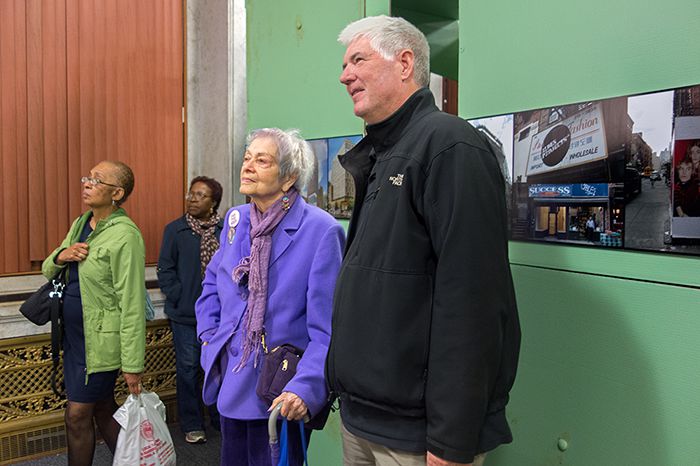
Frances Goldin and Brian Rose

There were a number of reasons that Robert Moses, the powerful master planner of New York, was finally stopped. After ramming one infrastructure project after another through neighborhoods all over the city, the tide had turned, and the primacy of automobile-centric planning lost favor. Foremost in opposing Moses and his acolytes were activists like Jane Jacobs, whose book The Death and Life of Great American Cities championed the fine-grained urban fabric of Greenwich Village and similar neighborhoods, and called for their preservation. Other activists took up the cause of low income people, the most at risk from the planners’ bulldozers. Frances Goldin, pictured above, was the most tenacious and eloquent of the Downtown activists.

She and Jacobs represent different perspectives of neighborhood activism, but both were essential in turning things around, and reasserting the right of ordinary citizens to defend their neighborhoods, and, in fact, participate in the planning process. While Goldin is most known for her political actions — her flare for street theater and colorful demonstrations — it was her espousal of neighborhood planning that may be her greatest legacy. Under her leadership, along with the planning expertise of her partner Walter Thabit, the Cooper Square Committee prevented the destruction of a six block strip of the Lower East Side, and in the end, saved or built a thousand units of low income housing. She also led the decades-long fight — after stopping Moses — to redevelop the Seward Park urban renewal site so that it includes a significant percentage of affordable units of housing. A lot of people were involved in these struggles, but she was the glue that held it all together.

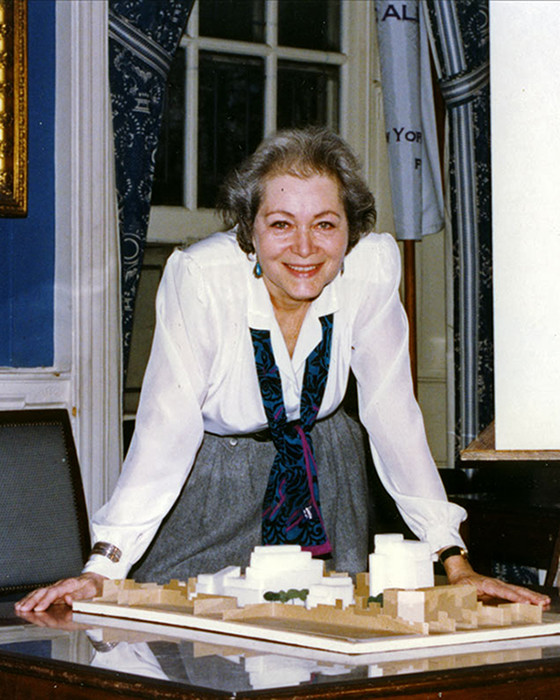
frances_goldin
Frances Goldin, City Hall Blue Room, 1990 — © Brian Rose

It was my privilege to work with her on the steering committee of the Cooper Square Committee. She and I were very different sorts of players — an array of adjectives come to mind to describe her — brilliant, charismatic, persuasive, indefatigable, optimistic. She was a socialist, Jewish, a quintessentially sharp-tongued New Yorker. I was an artist, soft-spoken Virginian, middle class, protestant background, a Jeffersonian idealist. We clashed at times, but my respect for her deepened over the years, and I think hers for me. One of the things I tell people about Frances is that for all her fierce radicalism, she was ultimately pragmatic and capable of compromise. She got things done. And is still getting things done at the age of 91.

Here’s a recent article in Bedford and Bowery about the history of the Cooper Square Committee.

New York/Tom’s Diner

by admin on 10/20/2015, no comments

vegasmile
Suzanne Vega, 1980 — © Brian Rose

Tom’s Diner again…and again…and again. Suzanne Vega’s a capella song poem set in an Upper West Side diner is back on the charts. Brittany Spears, if you can believe it, is the latest pop star to cover it — or smother it — whatever.

Here’s the song (you’ve been warned):

And believe it or not — yours truly — is forever connected to this song.

Suzanne: I have a photographer friend, Brian Rose, who has taken pictures of the Lower East Side of Manhattan and the Berlin Wall. He told me once long ago that he felt as though he saw the world through a pane of glass. This struck me as romantic and alienated, and I wanted to write a song from this viewpoint.

I still see the world through a pane of glass, though I’m not sure how alienated I feel these days. But I remain committed to observation, the fleeting moment, reflections, glances exchanged, the meaning derived from things, places, people passing by, the “art of facts,” if you will. Just like Suzanne’s wonderful little song.

Here’s the way is was done originally:

Here’s some recent media about the history of Tom’s Diner:
Bustle
Mental Floss
Stereo Gum

New York/Hilla Becher

by admin on 10/15/2015, no comments

Hilla Becher died on Saturday at the age of 81. Her husband and partner Bernd died some years ago at age 75. A few years ago I posted the image below and the following short comment. There’s a lot you can say about the Bechers, but fewer words probably better suit their methodology.

September 9, 2011
The Museum of Modern Art

becherwall
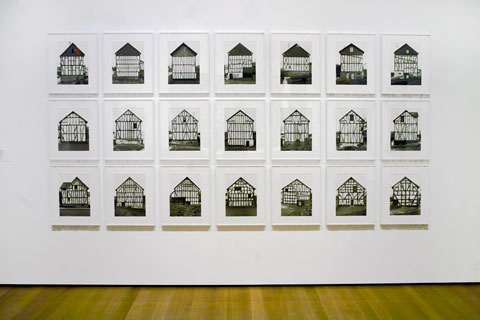
Framework Houses by Bernd and Hilla Becher — © Brian Rose

I’ve written in the past that it sometimes seems that the Bechers are overexposed. You can’t go anywhere without seeing their images, often in large grids, like the Fachwerk facades above. But let’s face it, this is brilliant work, especially this grouping. Their approach transcends genres. It is rigorous and seemingly impersonal, but in the end, suffused with pathos for human endeavor.

New York/The Walk

by admin on 10/02/2015, no comments

wtc02b
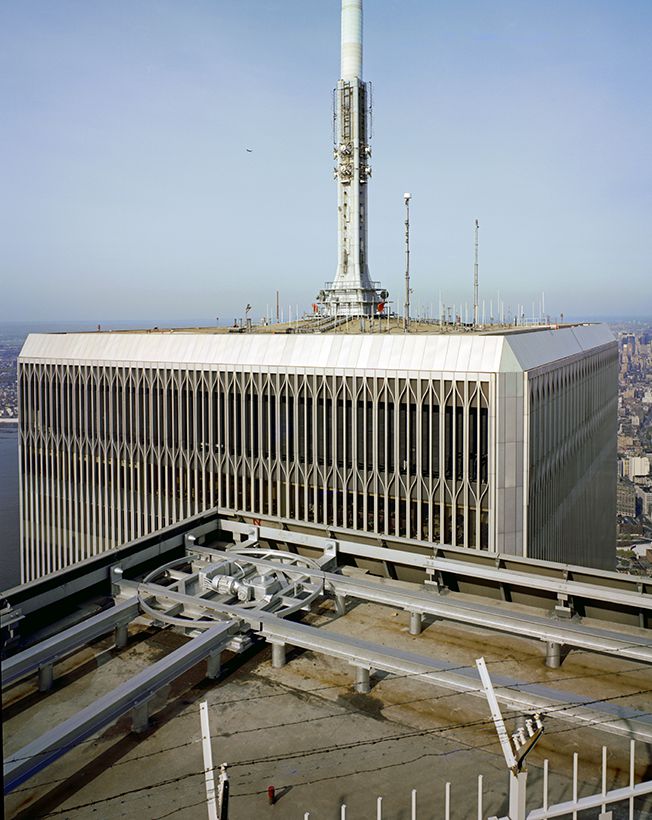
WTC 2 Observation Deck, 1981 — © Brian Rose/Edward Fausty

The Walk, a new movie by filmmaker Robert Zemeckis tells the story of Philippe Petit, the French street performer, who clandestinely strung a cable between the Twin Towers – still under construction in 1974 — and proceeded to tightrope back and forth 110 stories above lower Manhattan. Thousands craned their necks upward in amazement as Petit walked the wire for 45 minutes. I haven’t yet seen the movie, a 3D extravaganza, but it is getting good reviews for its vertigo-inducing special effects. It’s a Hollywood version of Petit’s feat – or performance art – not to be confused with the brilliant documentary “Man on Wire, directed by James Marsh.

Petit was arrested at the end of his escapade, but with public sentiment in his favor, charges against him were dropped in exchange for a performance in Central Park. His breathtaking walk between the Twin Towers has become part of the folklore of New York, made all the more poignant by the horror of 9/11 a decade ago.

petitsig
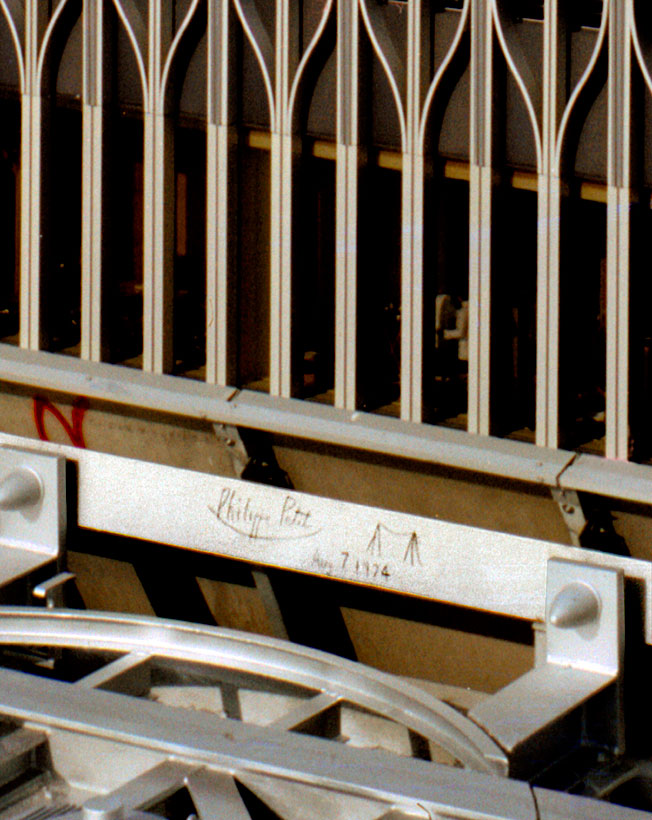
Philippe Petit signature and pictograph — © Brian Rose/Edward Fausty

Shortly after the destruction of the Trade Center, I sifted through my archive looking for photographs of the Twin Towers made over the years. One of the pictures I came across was taken from the observation deck on Tower 2 in the early ‘80s. I did a high-resolution scan of the 4×5 negative and discovered something unseen in my prints of the image, Philippe Petit’s signature and tightrope icon scratched into a steal beam. Petit’s performance masterpiece, it turns out, was signed by the artist.

As far as I know, it is the only photograph showing that long-lost signature.

Update:

I just saw the movie — it actually closes with Petit signing his name and drawing the little tightrope image as seen above. I have to admit to being surprised. It had to be based on my photograph. It’s true that someone from Zemeckis’ production staff contacted me a year ago about using one of my photographs in the film — but not the one with the signature. I expected it to be buried somewhere in the film, and in fact, it wasn’t used at all. Not to worry, I was paid decently. In the end, however, my accidental documentation of Petit’s signature plays a prominent role in the movie. I didn’t expect that.

New York/Around Town

by admin on 09/20/2015, no comments

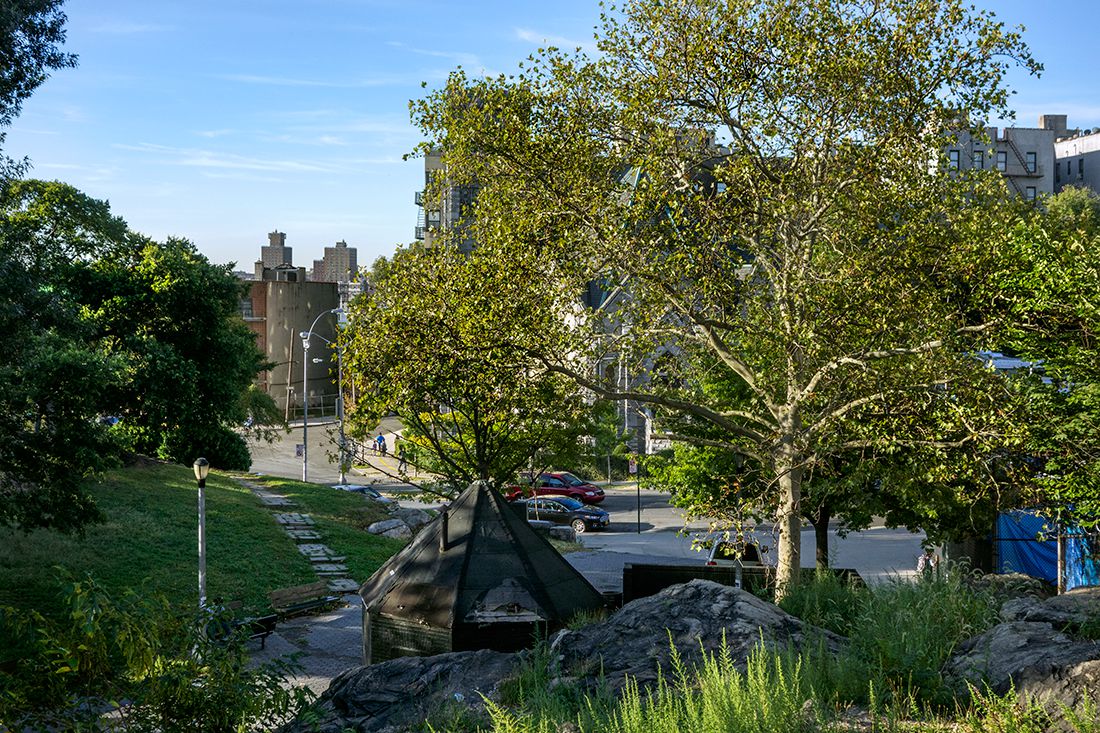
bronx_landscape
Echo Park, the Bronx — © Brian Rose

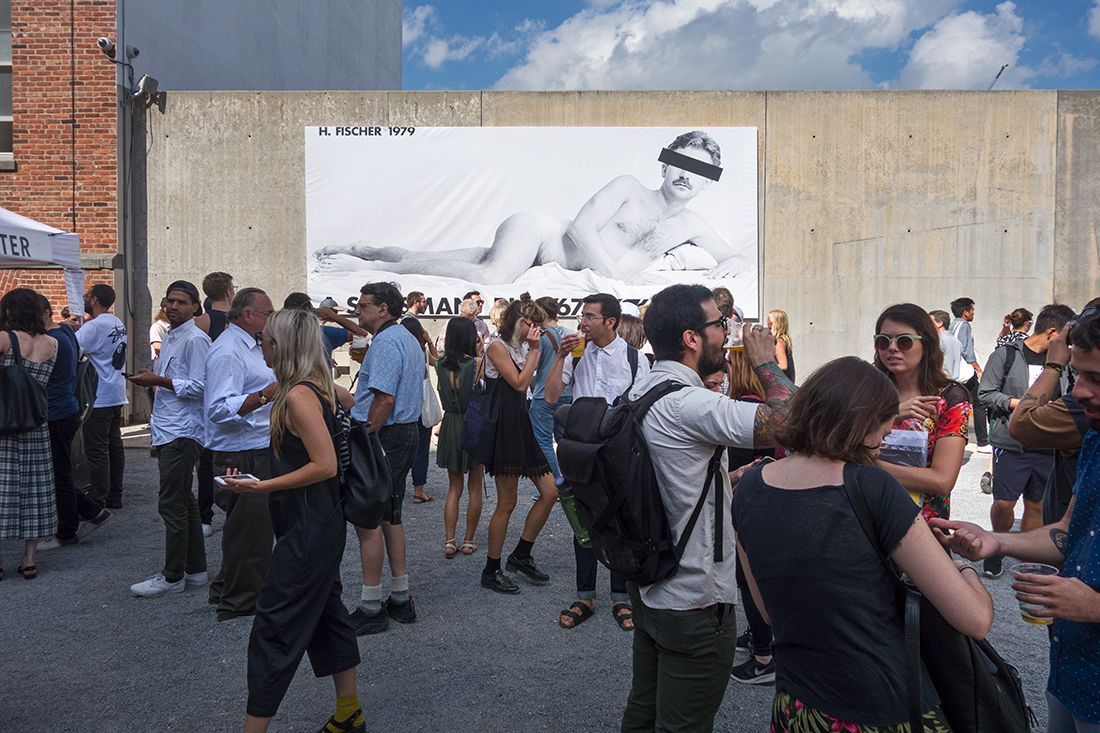
bookfair
New York Art Book Fair, MoMA PS1 — © Brian Rose

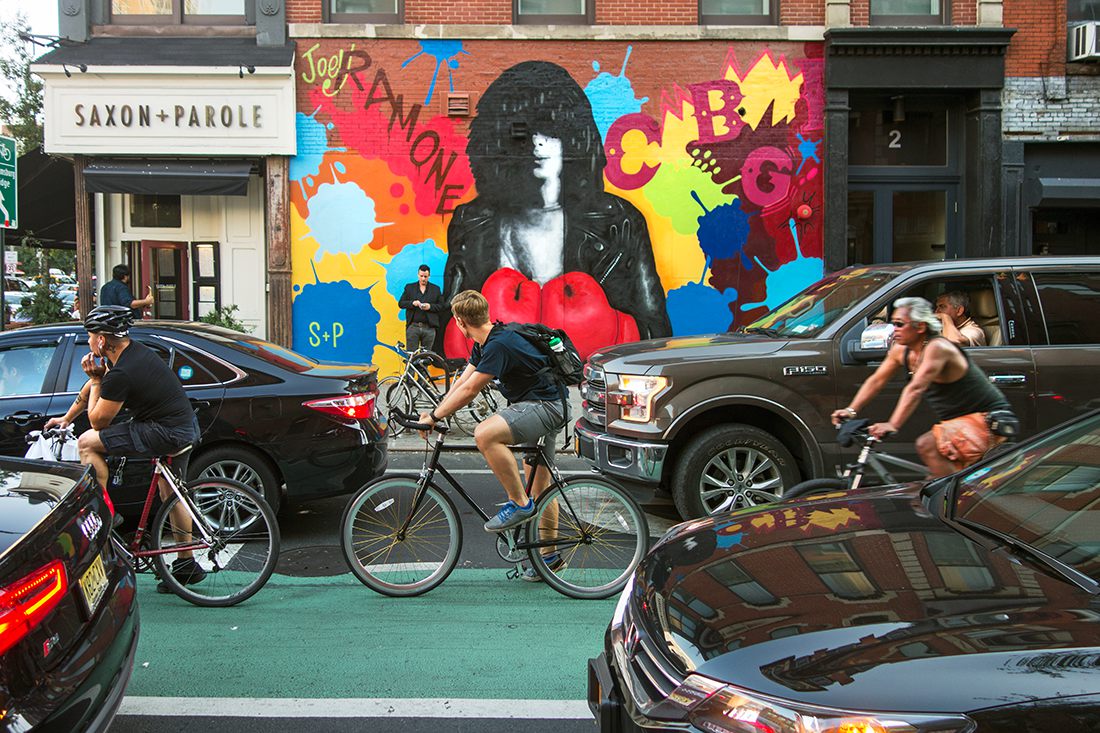
joey
Joey Ramone/CBGB mural, Bleecker and Bowery, by Solus x Crash — © Brian Rose

Random images from the past few days.

New York/Garden of Eden

by admin on 09/16/2015, no comments

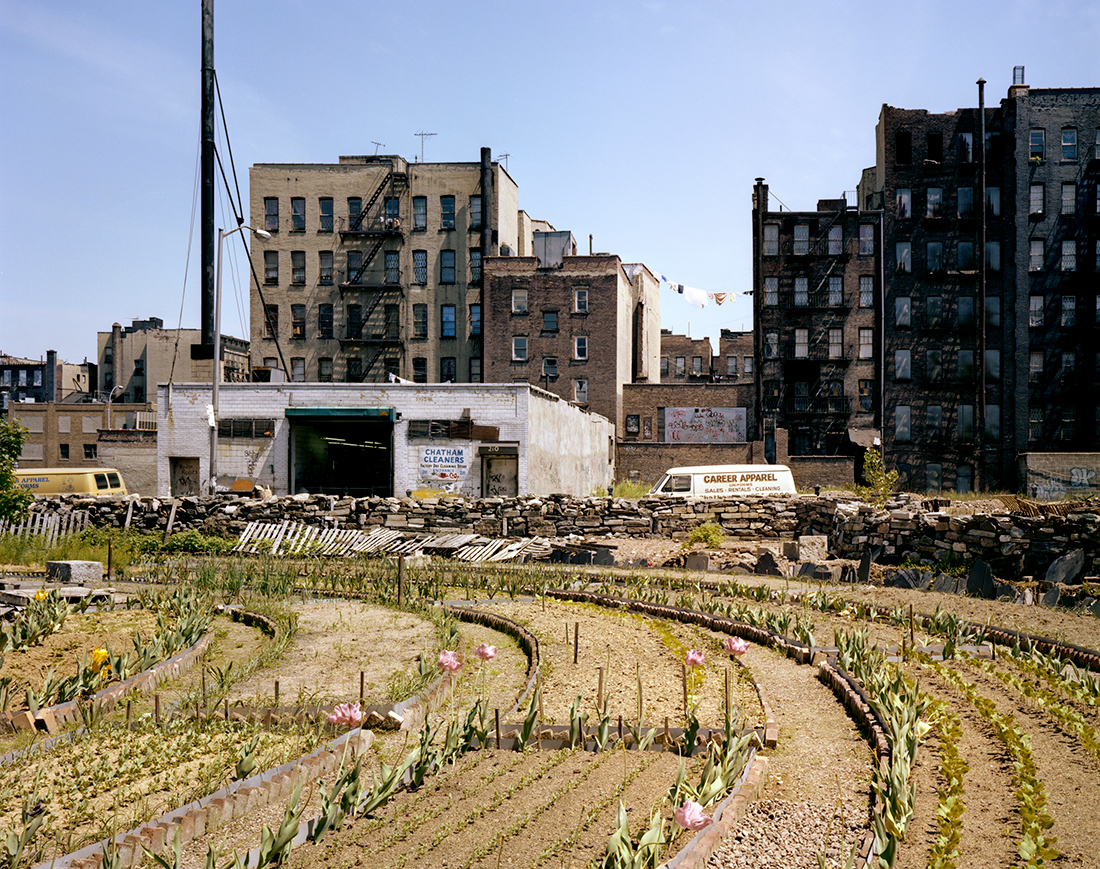
garden_of_eden
The Garden of Eden on Eldridge Street, 1980 — © Brian Rose/Edward Fausty

Adam Purple, 1930 – 2015

I knew about Adam Purple back when I photographed the Lower East Side in 1980. He was impossible to miss riding around on his bicycle dressed in tie-dyed purple. I made the photograph above of his famous Garden of Eden, which consisted of concentric rings planted with flowers and vegetables.

Purple was an eccentric character, to say the least, and from what I could tell, a man of rather severe temperament. So I steered clear. But that was a superficial judgement for sure. We all thought his garden was amazing, carved into the rubble of one of the many vacant lots of the Lower East Side, one of the many individual and group efforts to reclaim land that had been abandoned by property owners.

Later, in the 80s, Purple’s creation became caught up in a range war like the cattlemen and the sheepherders out west. The housing activists wanted low income housing, and the garden activists wanted community gardens and green spaces. Adam Purple was a single minded gardener and an artist — and he wasn’t interested in building bridges with other political elements of the community. That was the downfall of the Garden of Eden, though I don’t blame him for it. He was who he was.

eldridge
Eldridge Street 2010 — © Brian Rose

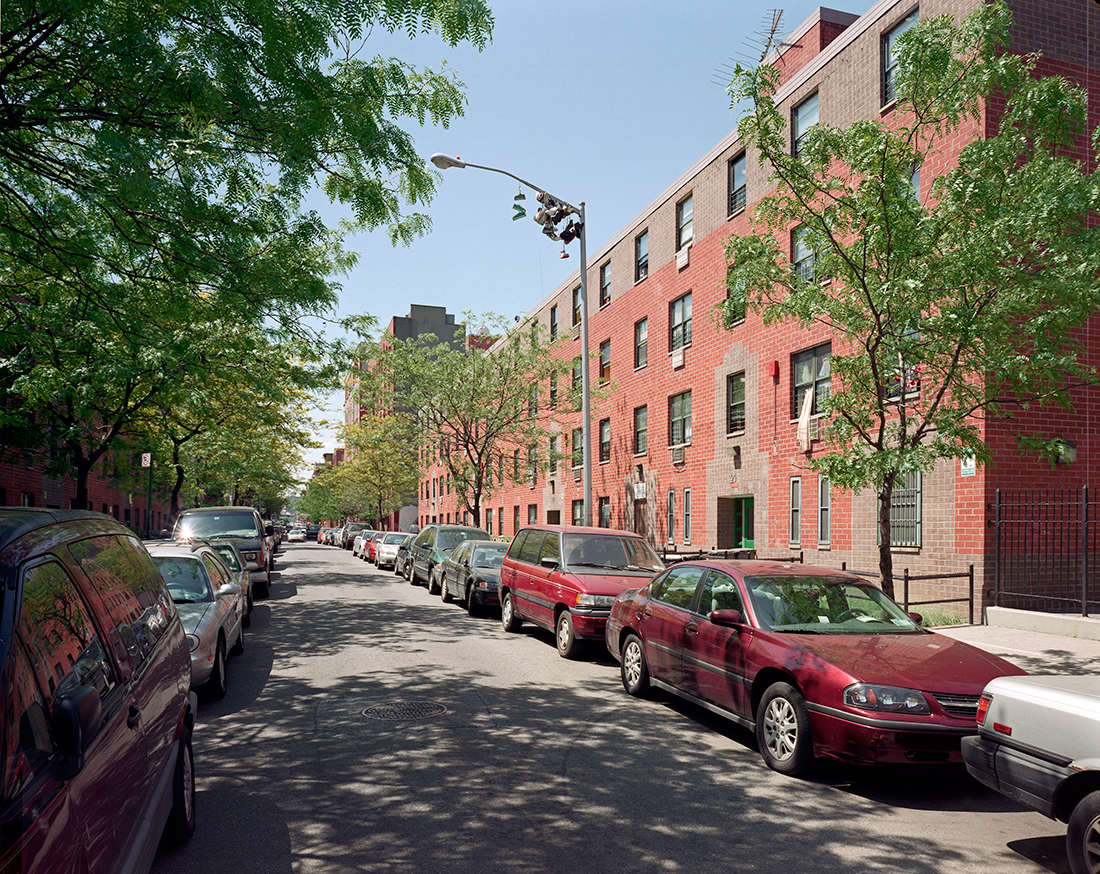
Above is what got built on Adam Purple’s Garden of Eden. It isn’t lovely. It is low income housing providing shelter for dozens of families. There are no shops built along the street to provide opportunity for small businesses and to bring life to the neighborhood, and there is barely any architecture to speak of. But the apartments are decent and affordable, and the area is safe and convenient to everything.

Imagine, if you will, a different scenario in which a sensitively designed complex of affordable housing was created embracing the Garden of Eden at its center. It could have been glorious. But it would have taken vision, something the housing activists and the city planners lacked. And I’m not sure that Adam Purple with his fierce independence would have gone along anyway. After vanishing for many years, Adam Purple was seen again on his bicycle around town, carrying cans and the like for recycling. He died on his bike on the Williamsburg Bridge.

Therefore the LORD God sent him forth from the garden of Eden, to till the ground from whence he was taken.


Wyoming/Big Sandy River

by admin on 09/04/2015, no comments

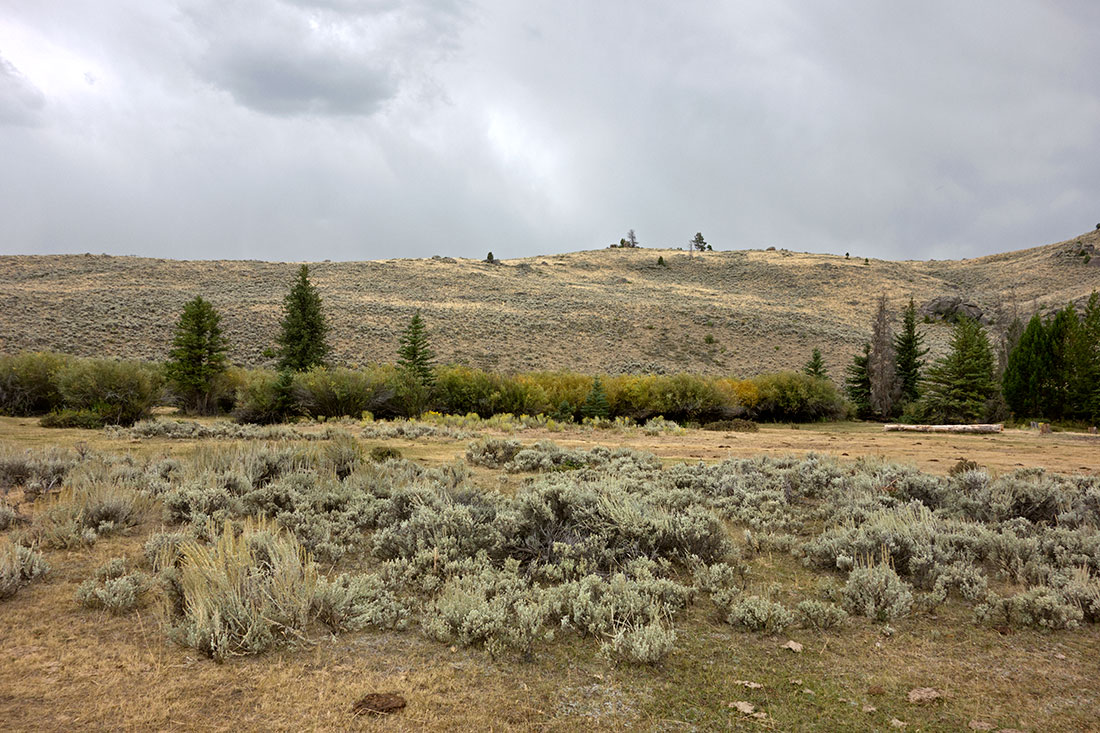
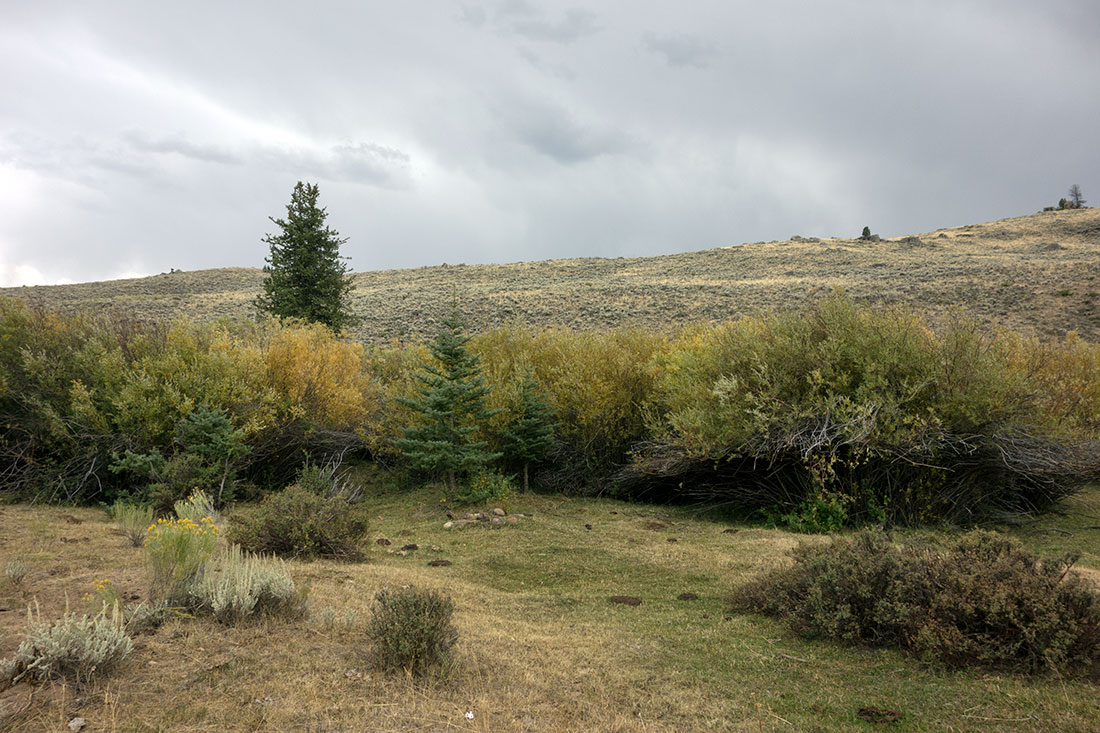
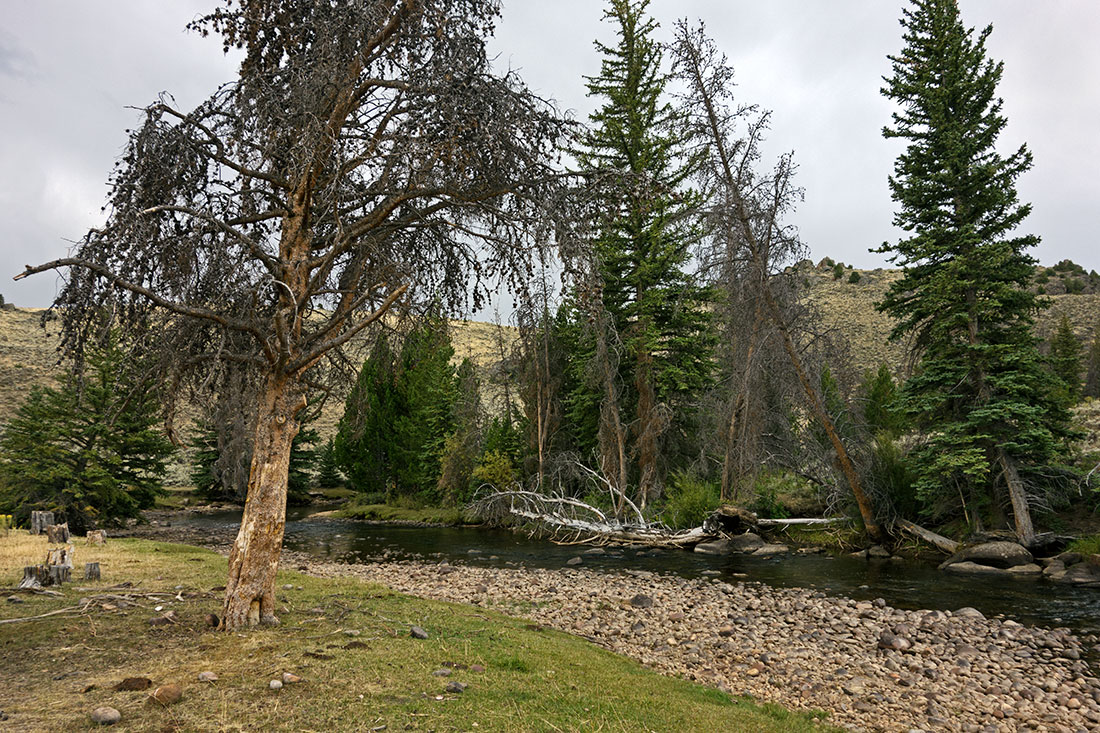
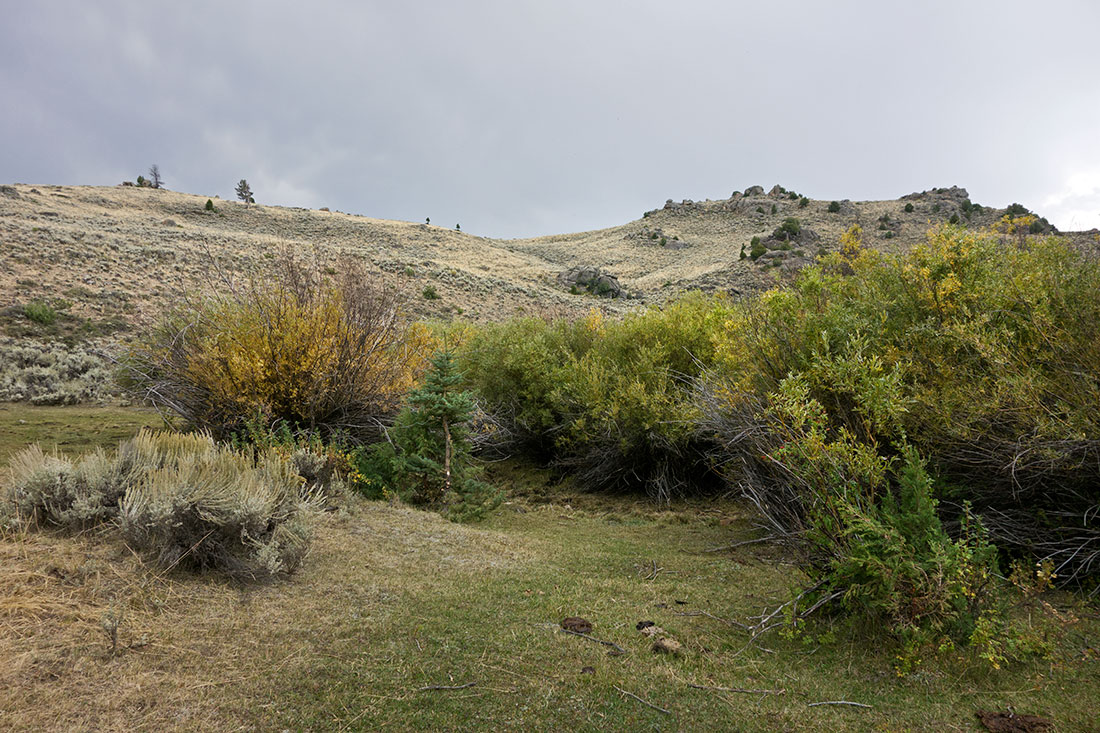
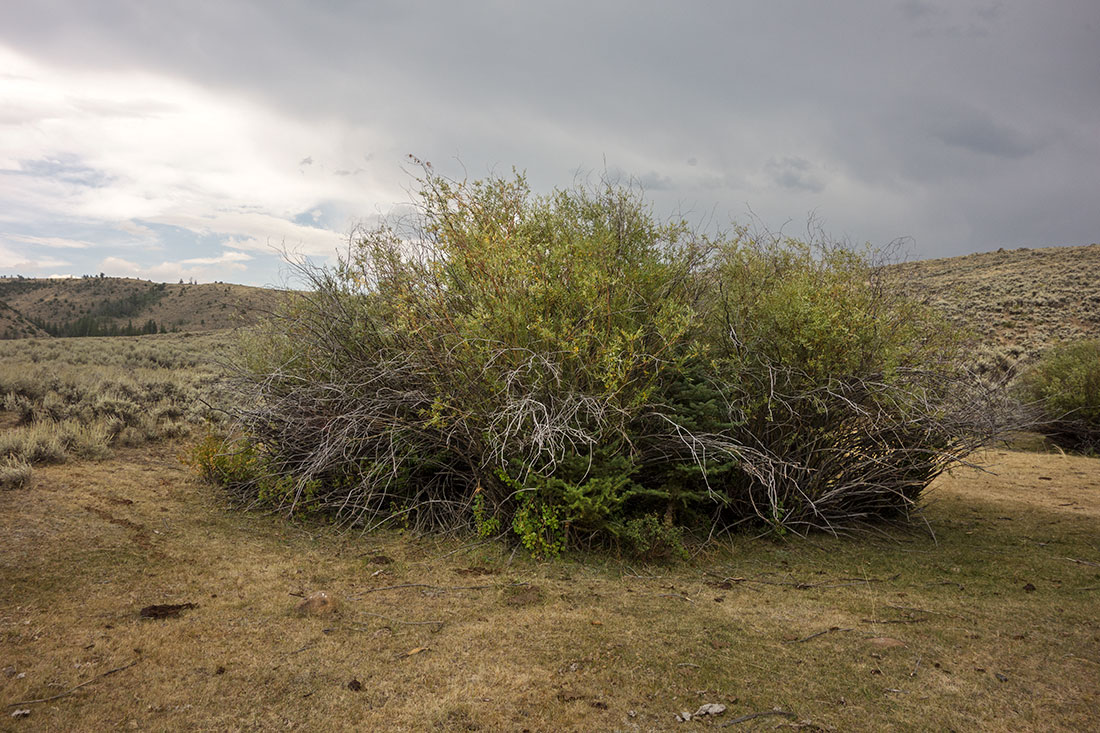
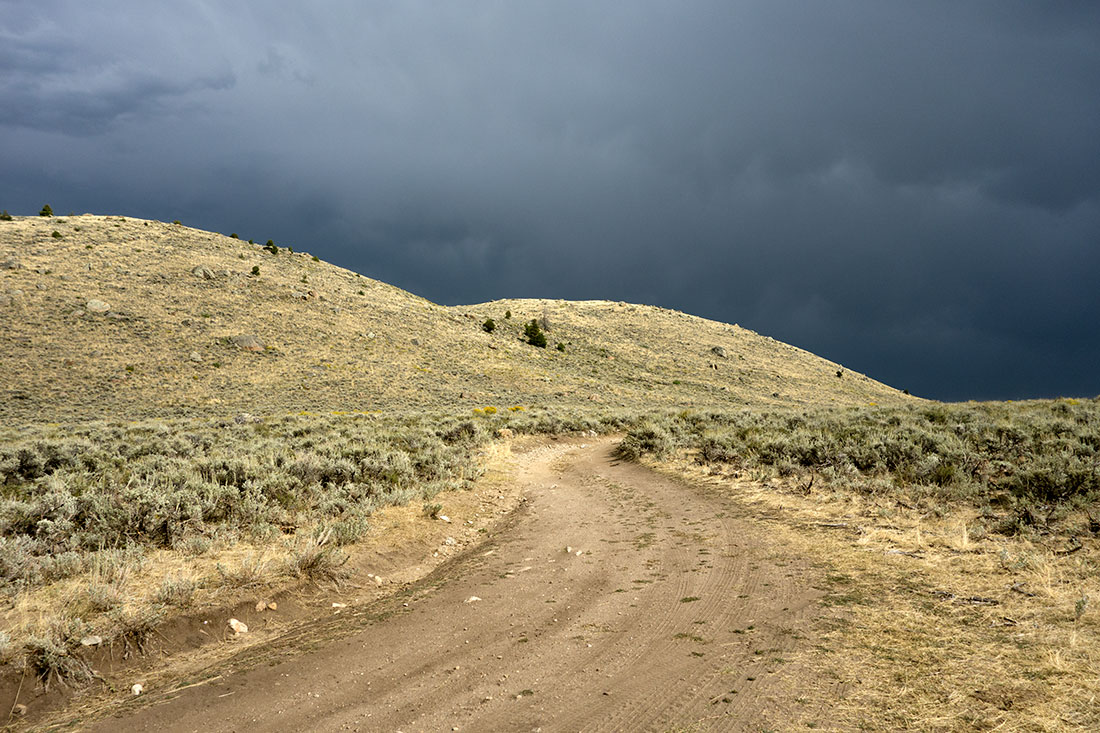
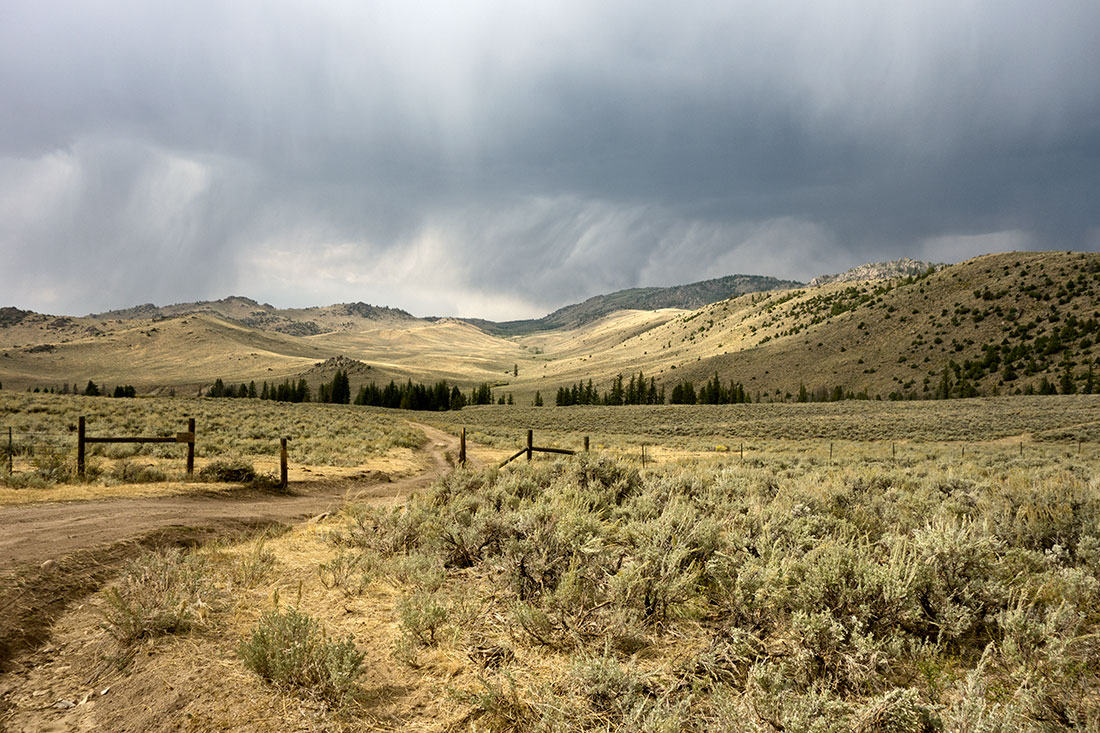
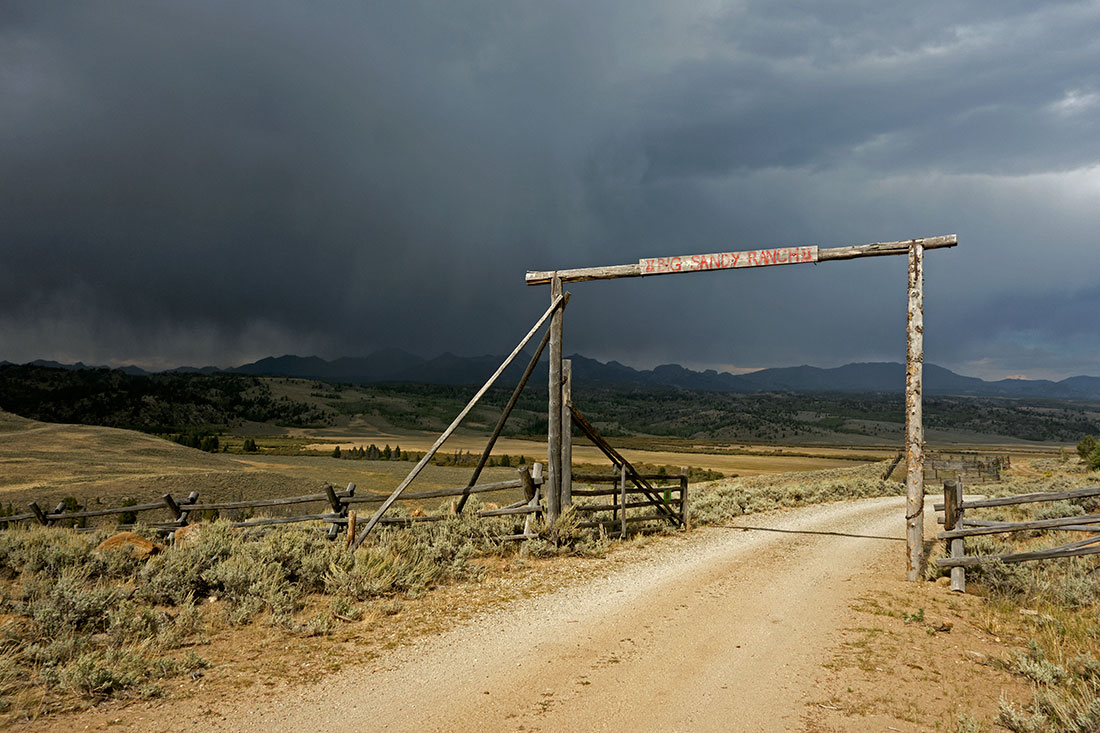
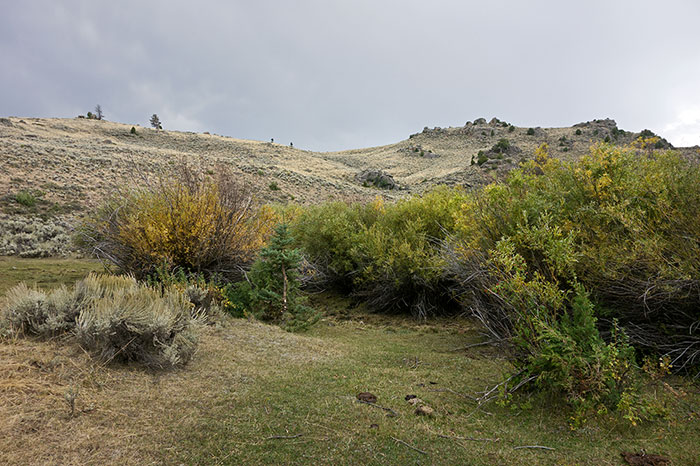
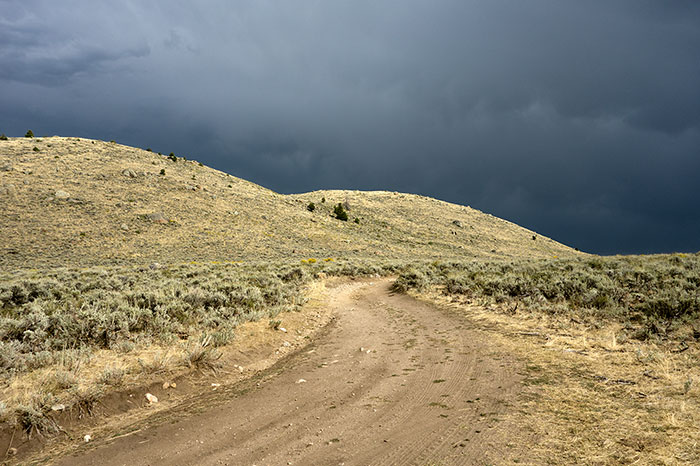
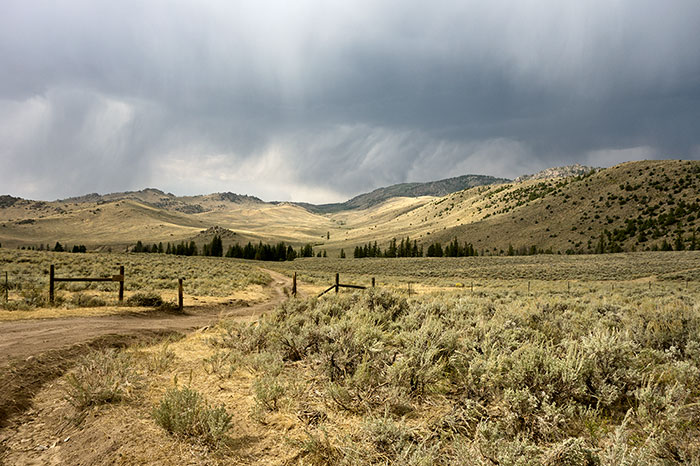
A series of photographs made in a 45 minute time period along the Big Sandy River in Wyoming. A small storm skirted the area. There were a few rumbles of thunder, but relatively little rain. As the storm passed by, the sun shone through against a dark backdrop of sky. Returning to the Big Sandy ranch, where I was staying, the storm crossed the Wind River Range of the Rockies in the distance.

sandystorrm006
Along the Big Sandy River, Wyoming — © Brian Rose

sandystorrm011
Along the Big Sandy River, Wyoming — © Brian Rose

sandystorrm007
Along the Big Sandy River, Wyoming — © Brian Rose

sandystorrm013
Along the Big Sandy River, Wyoming — © Brian Rose

sandystorrm012
Along the Big Sandy River, Wyoming — © Brian Rose

sandystorrm018
Along the Big Sandy River, Wyoming — © Brian Rose

sandystorrm019
Along the Big Sandy River, Wyoming — © Brian Rose

bigsandystorm
Along the Big Sandy River, Wyoming — © Brian Rose

New York/Twin Towers

by admin on 08/22/2015, one comment

borden_twin_towers
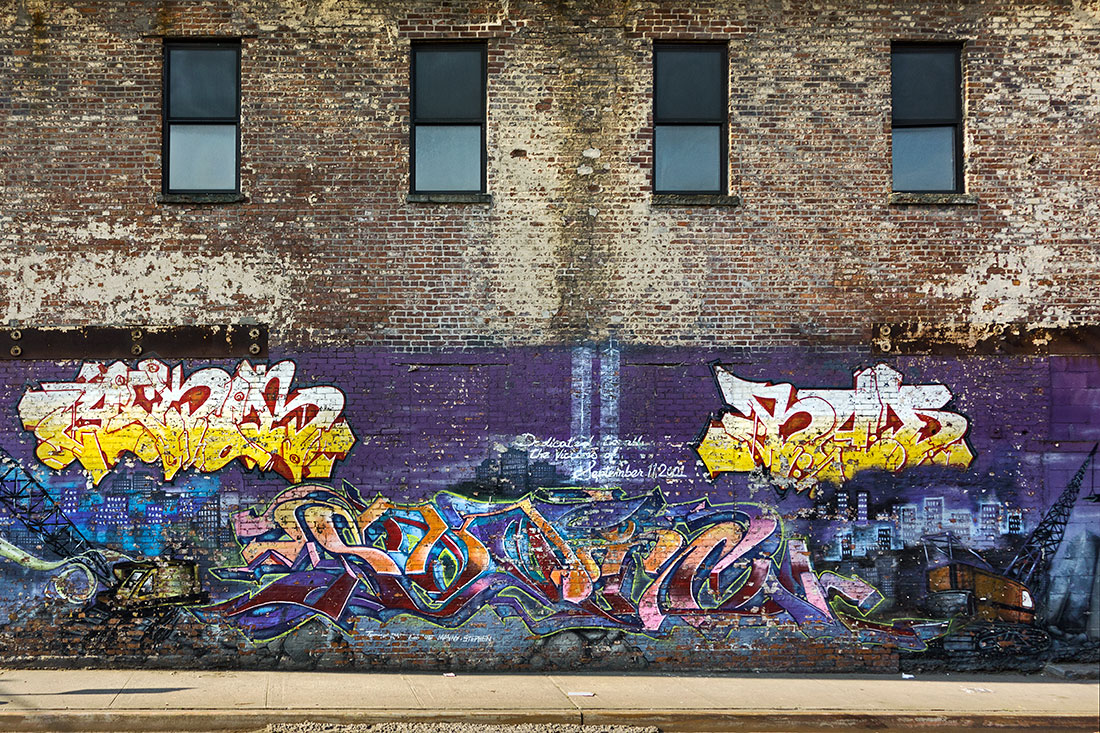
Borden Avenue, Queens — © Brian Rose (digital camera)

Several months ago I spotted a 9/11 mural in an obscure location underneath the Long Island Expressway in Queens. I was driving back from one of my son’s baseball tournaments on Long Island. It took me a while to get back there — in fact, re-finding it was a difficult. But thanks to Google maps I was able to track down the spot.

Using an app on my phone called Helios, I was able to determine exactly what time the light would be best on the mural. So, I went out early in the morning with my view camera, and walked about 15 minutes from the closest station on the #7 line in Long Island City. I couldn’t quite make out the signature at the base of the mural, painted on the side of an auto body shop in this gritty industrial part of Queens. Trucks thundered by as I set up my 4×5 camera under the elevated LIE. (The image above was taken with my digital camera.)

Although I have been calling my World Trade Center book project complete for some time, this seemed like a worthwhile addition to the series. A ghostlike rendering of the Twin Towers surrounded by calligraphic tags. The inscription says: “Dedicated to all the victims of September 11, 2001.” There are, or were, many such murals around the city, but they are gradually fading away.

It’s time to get this book published.

New York/Philip Glass/Suzanne Vega

by admin on 08/10/2015, no comments

glass_vega_002
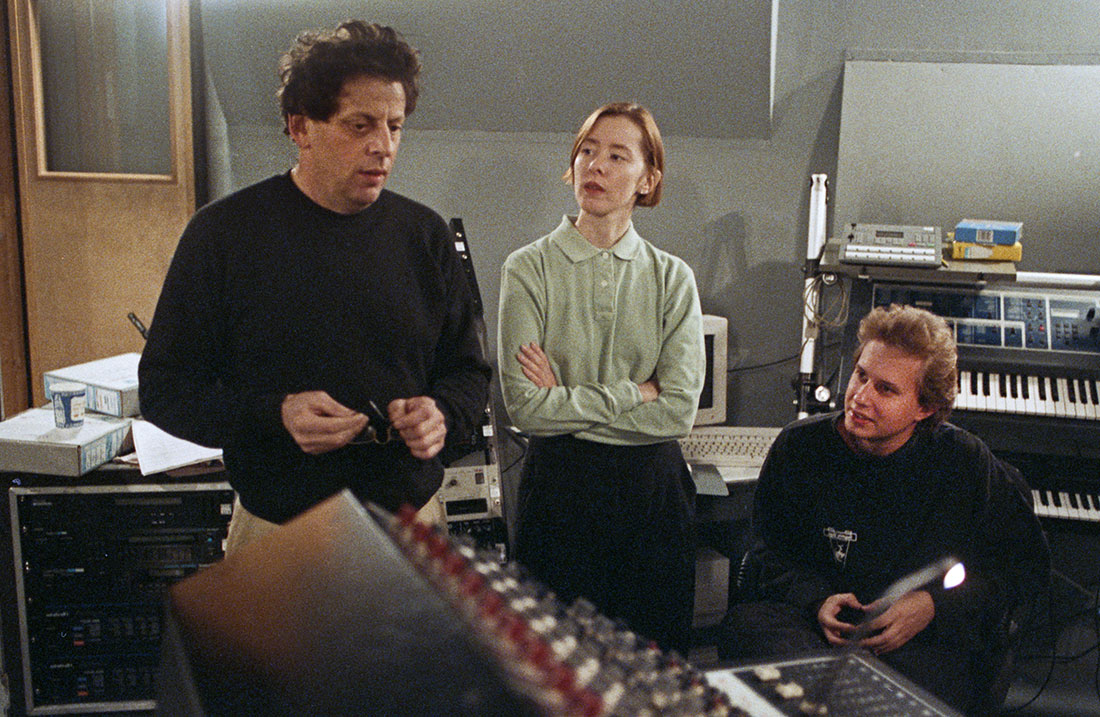
Philip Glass, Suzanne Vega, and Anton Sanko, 1989 — © Brian Rose

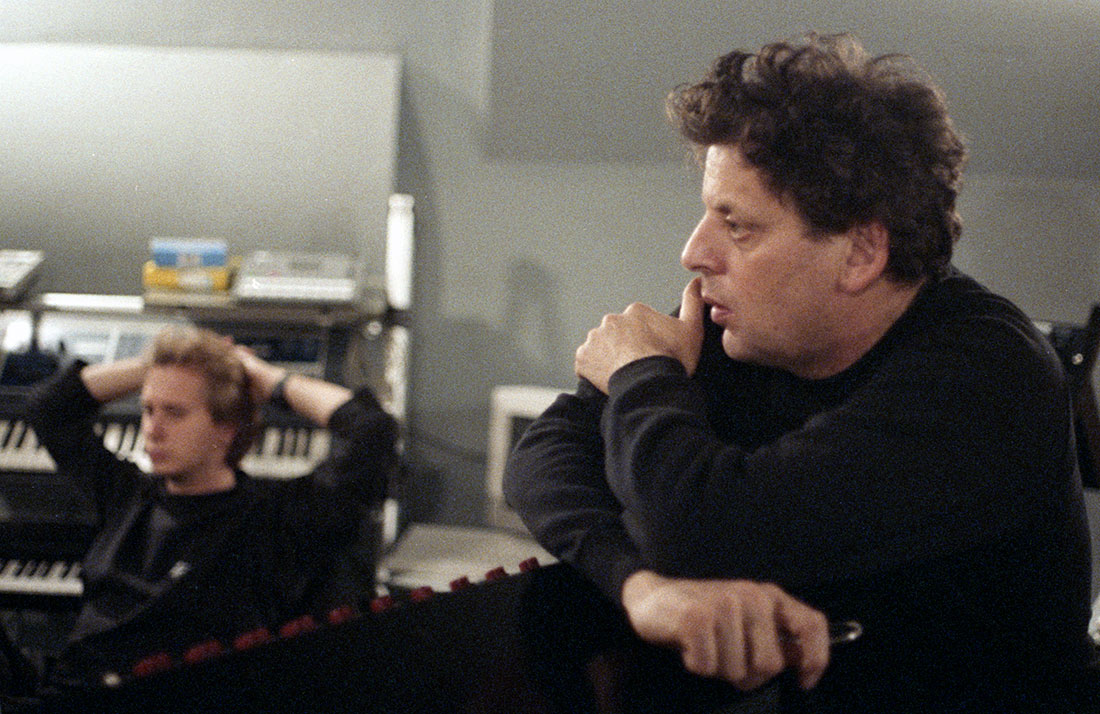
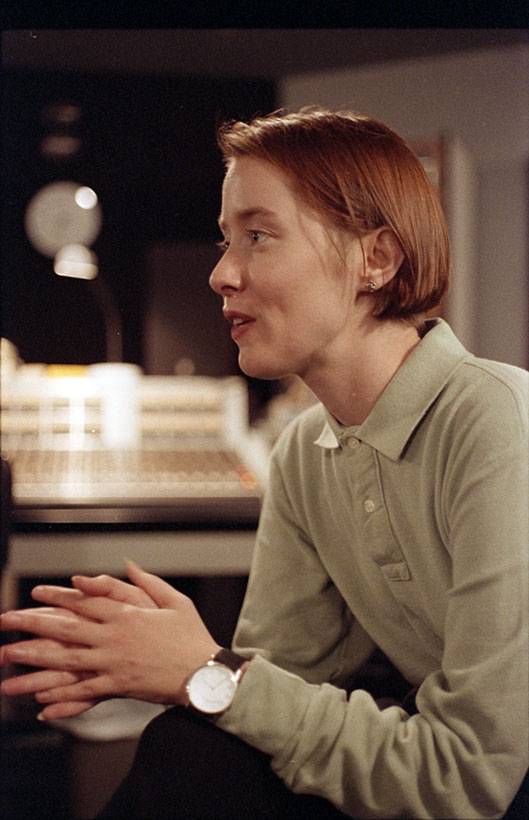
I heard recently from a friend looking for a photograph I had taken years ago during a recording session with Suzanne Vega. So, I dug back into my archive, found the film, and began scanning the negatives. I remember that it was difficult lighting, and I didn’t want to use flash in the studio. So, it’s grainy film pushed in processing to get a little more speed out of it.

glass_sanko_004
Anton Sanko and Philip Glass, 1989 — © Brian Rose

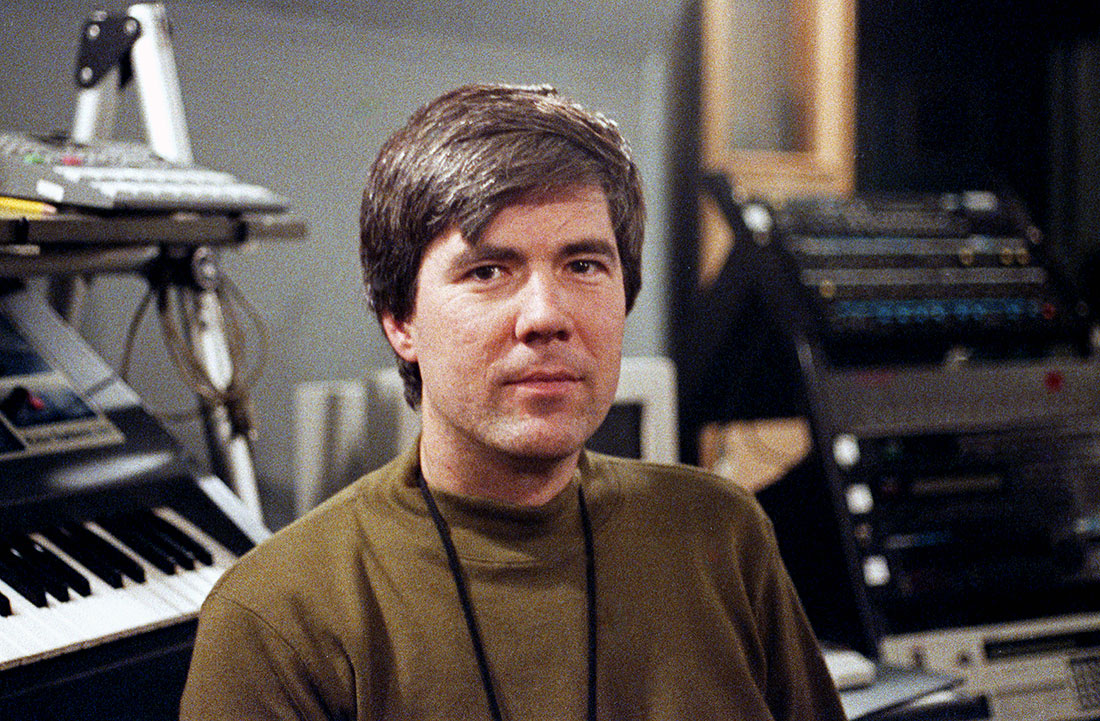
It was the end of 1989, and she was working on her third album, which would be called “Days of Open Hand.” One of the songs, “50/50 Chance,” included a string arrangement by Philip Glass. Present in the studio were Glass, Vega, producer Anton Sanko, and a string quartet.

glass006
Suzanne Vega, 1989 — © Brian Rose

Stephen Holden of the New York Times later wrote:

This song about an attempted suicide, a pop-minimalist answer to a Sylvia Plath poem, has a simple, lovely string arrangement by Philip Glass that underscores the sparseness of Ms. Vega’s language. It also sets off the emotional flatness of her vibratoless singing, which maintains a deadpan objectivity even in the words ”I love you.”

glass004
Brian Rose, 1989 — © Suzanne Vega

At one point I handed the camera to Suzanne, and she took the photo above. Here is the finished song from the album:

https://youtu.be/wDEkh2M-jt0

New York/Williamsburg

by admin on 08/03/2015, no comments

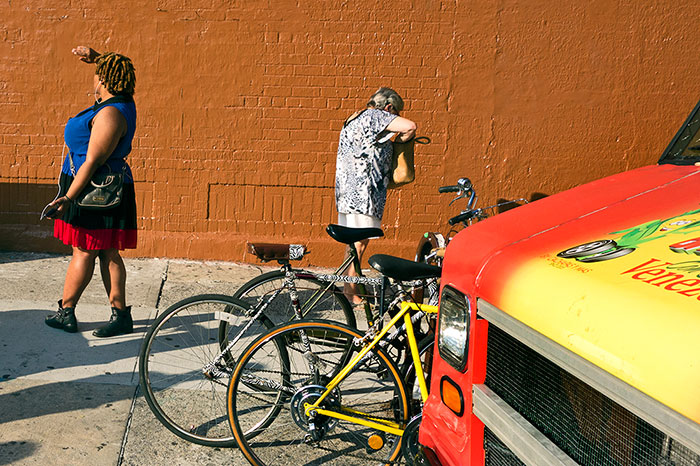
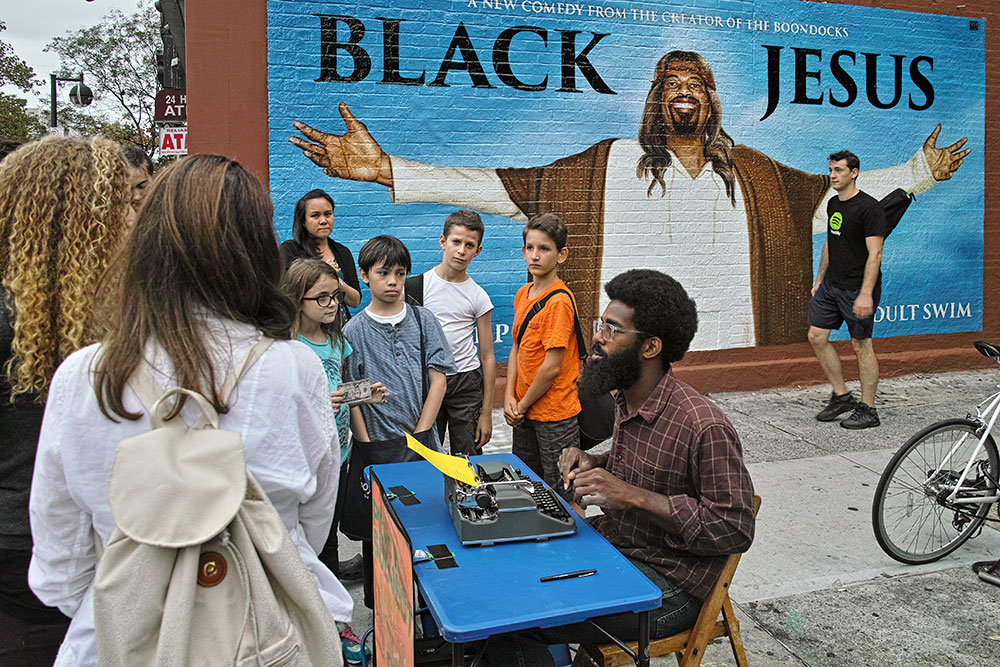
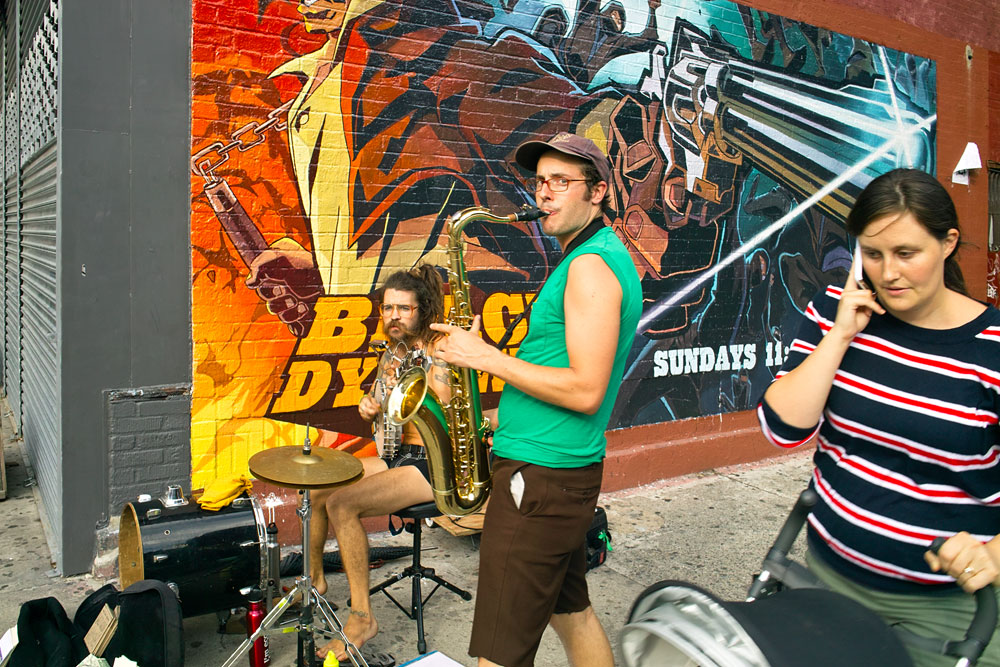
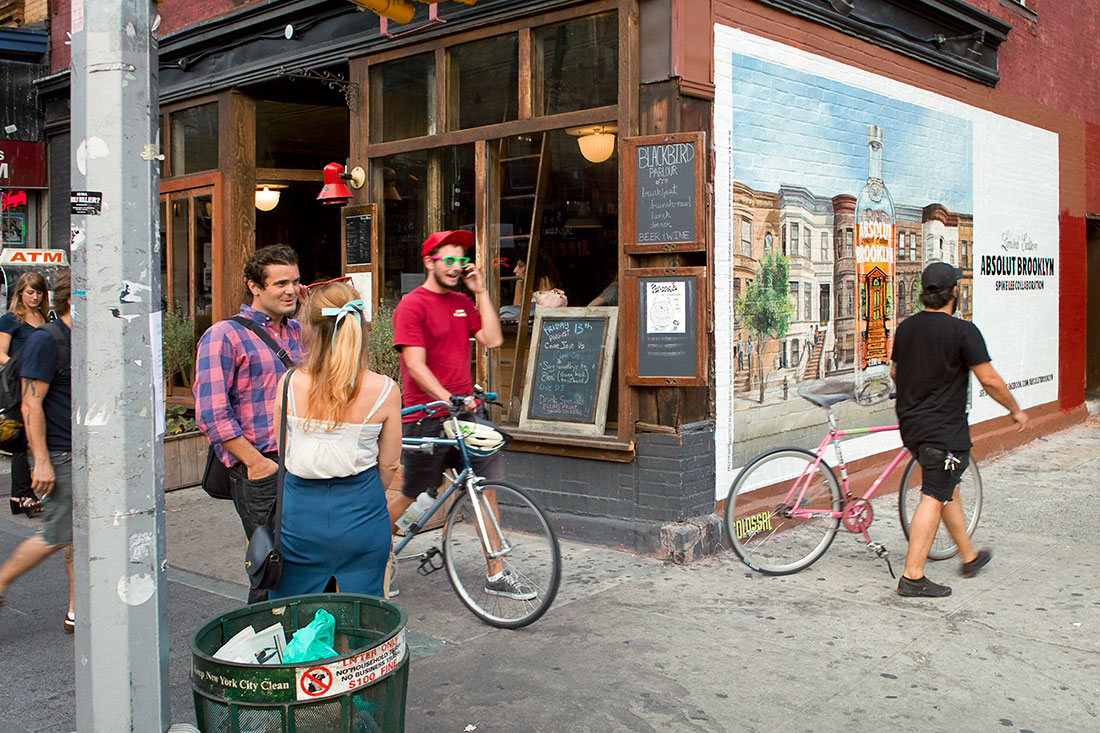
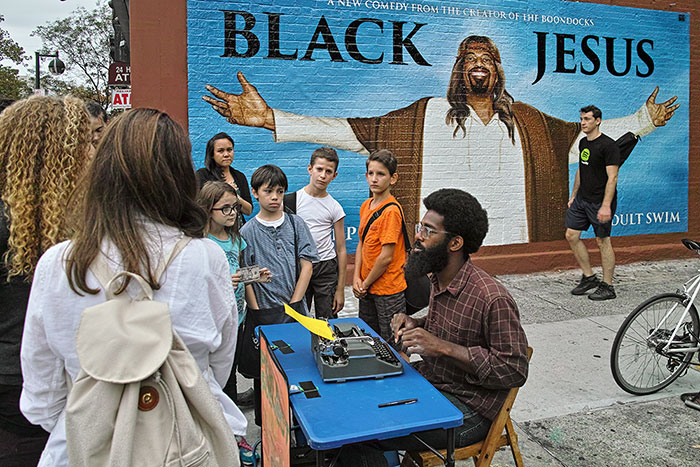
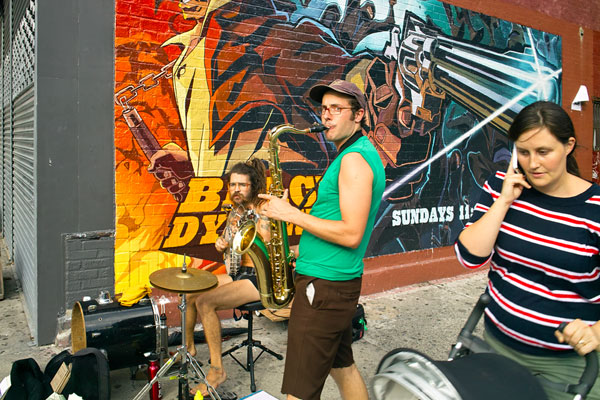
Williamsburg 2011-2015. Four photographs made on the same corner — N 6th Street and Bedford Avenue.  The wall painting changes frequently, every couple of weeks, and life passes by — people dance, compose poetry, make music, and otherwise maintain the cool vibe. But watch out for the baby strollers.

brownwall

poetryman

saxpayer

aboutbrooklyn

Atlanta/Coca-Cola

by admin on 07/21/2015, no comments

I’m a little slow keeping up with things — one day in Atlanta, the next in New York, two days later in Amsterdam. So, let me finish my Atlanta trip with a few pictures and observations.

highmuseum
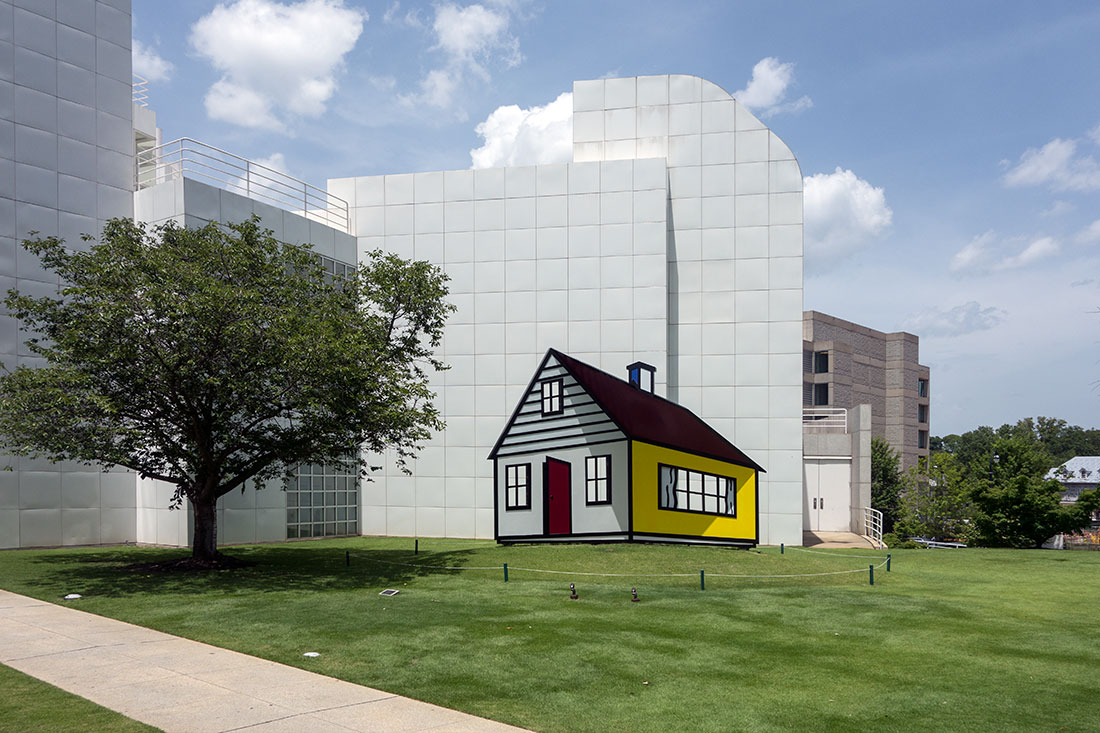
High Museum with Roy Lichtenstein’s “House” — © Brian Rose

While the rest of my son’s baseball team hung out in the pool of their hotel, my son Brendan and I took the Marta train to the High Museum in Atlanta. It’s a wonderful museum with brilliant architecture by Richard Meier. The permanent collection is excellent for a regional museum, and the Alex Katz exhibition of the artist’s less appreciated landscape work, was revelatory.

cokebottle
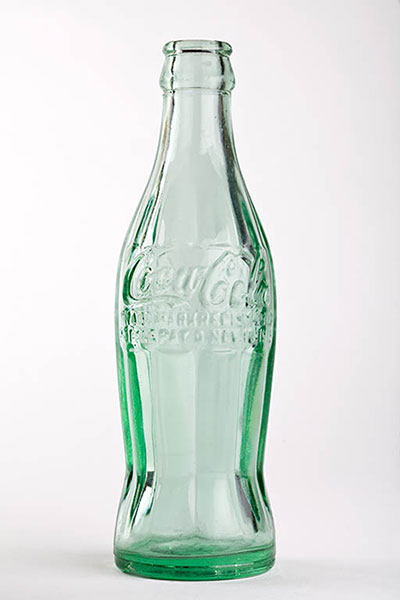
1915 Coca-Cola bottle

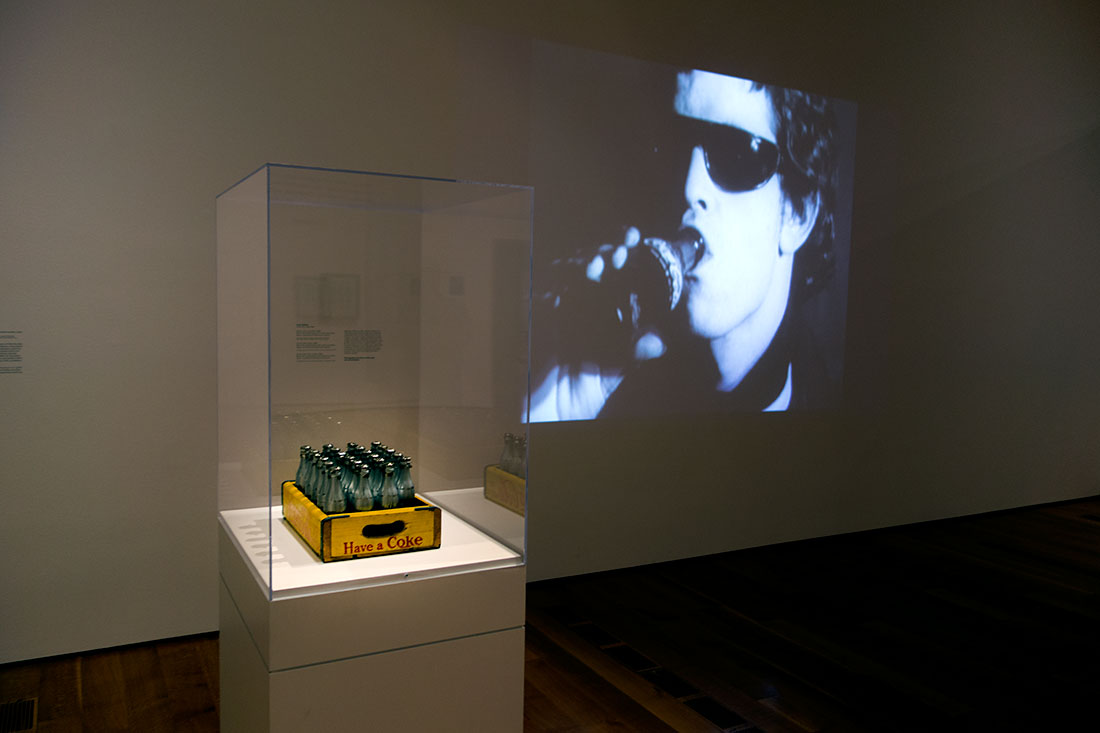
Atlanta, being the home of the Coca-Cola corporation, the Coke logo is ubiquitous, and the High Museum had mounted a large exhibition celebrating the 100th anniversary of the iconic Coke bottle. The show included different artists’ takes on the bottle, but also many who incorporated the actual bottle into their work. There was a whole gallery of images by well-known photographers, particularly those attuned to the vernacular, like Walker Evans and southerner William Christenberry. At the center of the show was a gallery of Andy Warhol works all featuring the Coke bottle. I was especially interested (and amused) by several short films featuring former Velvet Underground musicians Lou Reed and Nico taking swigs from Coke bottles.

reedcoke
Andy Warhol film and bottles — © Brian Rose

A few days later we visited Cartersville to the northwest of the city, a small town that survived the Civil War mostly intact. We were there looking for a place to eat after one of my son’s tournament baseball games, and despite the preponderance of Chick-fil-A’s and other fast food chains in the suburbs of Atlanta, we did very well all week at local restaurants. Special kudos to Gumbeaux in Douglasville, Georgia, which offered Cajun food that was both delicious and cheap.

cartersville_coke
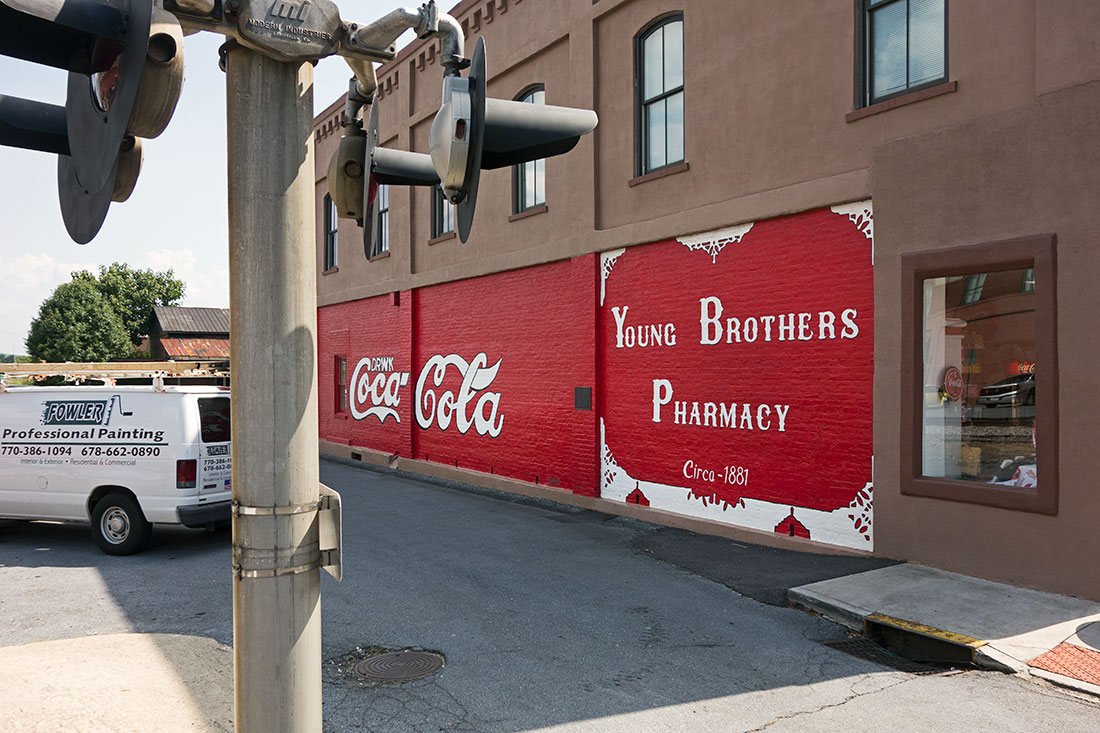
First Coca-Cola wall sign from 1894, Cartersville, Georgia — © Brian Rose

In Cartersville we found a wall painted with a retro-looking Coca-Cola logo that turned out to be the first such mural — painted back in 1894 — of course, restored over the years. We also saw Confederate flags, another historic logo, in the suburbs of Atlanta, usually flying from the backs of pick-up trucks. It had only been a few weeks since the Confederate Battle Flag was removed from the South Carolina capital grounds a few hours away in Columbia, and the issue remains raw. My guess is that most white Georgians feel ambiguous about the flag, and while some may regret its new pariah status, they are also not eager to align themselves with the guys parading it around on pick-up trucks in the parking lot of the Cartersville Walmart, which happened a short time before our visit.

stonemountain
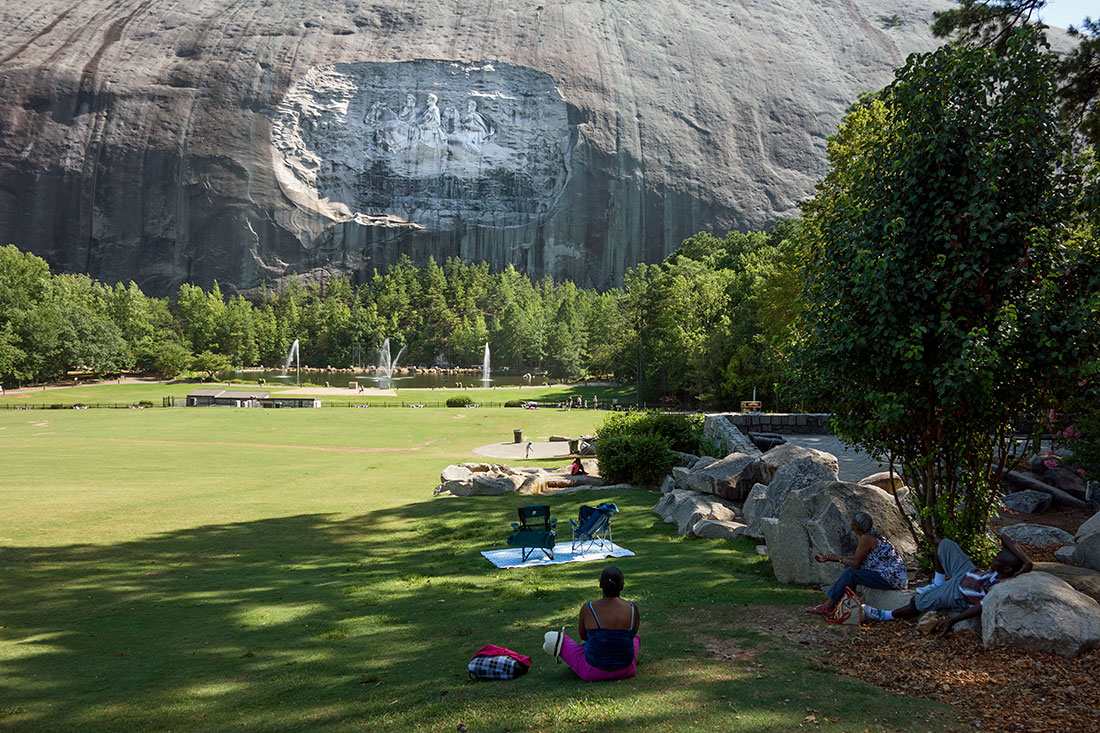
Stone Mountain, Georgia — © Brian Rose

Atlanta is a sophisticated city with a large black population, and to my eyes, one of the most integrated places I’ve experienced. So, the brazen flaunting of racist symbols — like the Confederate Flag — was hard for me to make sense of. On the last day of our visit, Brendan and I drove out to Stone Mountain to see the giant bas-relief sculptures of Confederate heroes carved into the sheer granite wall of the mountain. We listened to an audio description of the carving, which referred to Robert E. Lee as one of South’s most beloved leaders. Like the city of Atlanta itself, there were African Americans everywhere, visitors as well as employees, I recalled Martin Luther King Jr.’s words “let freedom ring from the Stone Mountain of Georgia!” and once again it was all difficult for me to compute

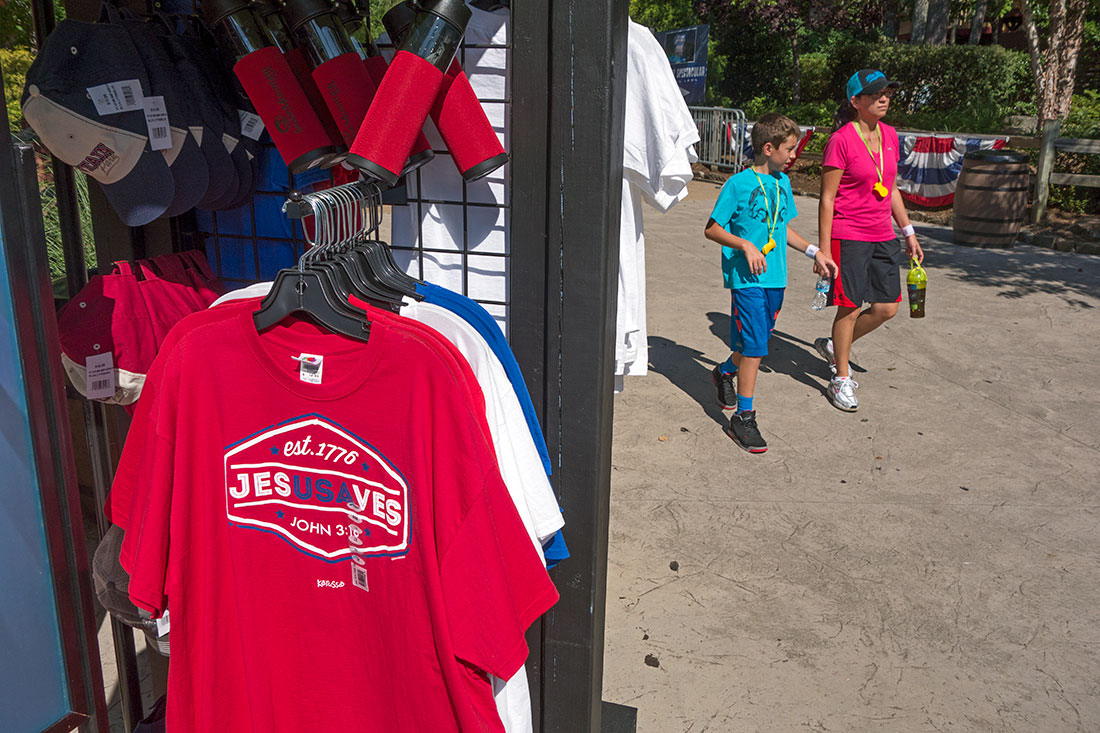
jesusaves.Stone Mountain, Georgia — © Brian Rose

Finally, as we were leaving the commercialized them park at the base of the mountain, I snapped a picture of a kiosk selling religious t-shirts and knick knacks. On one of the t-shirts were printed the words: JESUSAVES. And above it: “est. 1776.” Anecdotal evidence of the common conflation of a particular brand of Christianity with the founding of America itself, it’s not unlike the way in which Coca-Cola as a brand, and a logo, has become synonymous with U.S. and its values.

And so ends our visit to Atlanta.


Atlanta/Baseball

by admin on 07/15/2015, no comments

batsandballs
Bats and balls — © Brian Rose

More than 300 teams (with parents) have descended upon the Atlanta area for one of the major baseball travel team events of the year. The Gothams, my son’s team, alas, will not advance to the playoffs, but has performed well at times against some of the best teams in the country.

Atlanta/Two Aspects

by admin on 07/13/2015, no comments

My son and I are in Atlanta for a baseball tournament. Many of the best travel teams for 16 and under have gathered here for what is billed as the national championship. We’ve done okay, but will definitely not be winning the tournament.

I’ve never been to Atlanta before, though I have family roots in the area (see my recent post about the Confederate Flag). As a New Yorker, it is difficult to comprehend cities like this that are so dependent on the car for just about everything. The traffic is daunting, the summer heat punishing, but people are friendly, and as one gets around and sees things, it becomes a more comprehensible, even livable place.

Here are two aspects of Atlanta — anecdotal — but representative of the extreme contrasts evident throughout.

buckheadgarage
Buckhead, Atlanta — © Brian Rose

grantpark_victorian
Grant Park, Atlanta — © Brian Rose