Category: Photographers/Photography

  • New York/Lower East Side

    Join me for the opening of The Yard, a new co-working space on the Lower East Side. I will be showing a large portion of the work exhibited in March at Dillon Gallery. If you missed the show at Dillon, this is your second chance. The 4×5 foot prints look spectacular. I’ll be there with books to sign.

    The Yard is located on the corner directly opposite the Tenement Museum shop, and across Delancey Street from the corner that I photographed in 1980 and 2010. Hope to see you there.

    yard

    then/now

    THE YARD: LAUNCH PARTY
    www.workattheyard.com
    THURSDAY JUNE 20
    6:00PM – 8:00PM
    85 DELANCEY AT ORCHARD

    RSVP@WORKATTHEYARD.COM

    The Lower East Side’s new space to work presents celebrates the history and future of one of New York’s most vibrant neighborhoods. Enjoy food, drinks, music, and art representing the best of yesterday and today.

    Featuring the photography of Brian Rose from his book Time and Space on the Lower East Side.

    Ice Cream Sandwiches by Melt Bakery
    Photobooth by The Majestic Photobooth Company
    Beer by Brooklyn Brewery
    Wine by September Wines
    Music by Mr. Gibbons


    Special thanks to Lower East Side BID, Motivated Foods, and Pressler Collaborative

  • New York/WTC

    trapeze
    T
    rapeze School, Pier 40 — © Brian Rose

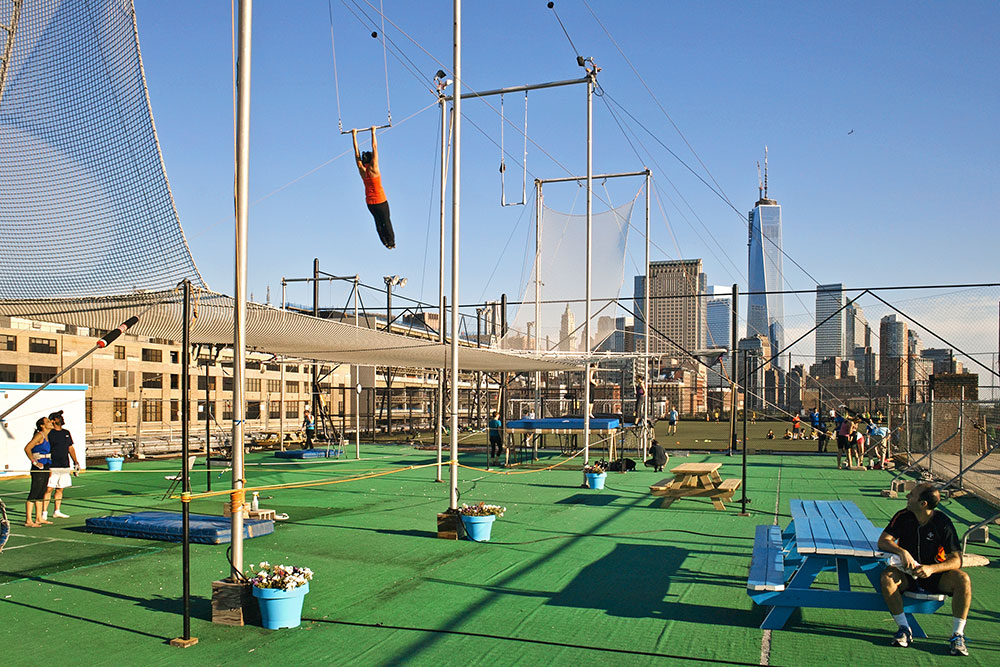
    Yesterday, I took my view camera to Pier 40, the former passenger ship dock at the western end of Houston Street. The pier is now being used as a sports facility, and I’ve been there many times for my son’s baseball games. On the roof of the building there is a soccer field and a trapeze school. I’ve had my eye on the roof for some time for a photograph of One World Trade Center, which is nearing completion, and rises impressively in the background. I am currently looking for shots of the tower to complete my book WTC, which I plan to publish next year.

    It was a beautiful warm afternoon and I arrived around 6:30, setting up my camera just inside the gate, and doing a series of pictures over the course of 45 minutes. The staff was very friendly, and I appreciate their allowing access to the space. What I wanted was a shot looking downtown with the trapeze apparatus in the foreground, preferably with someone in the air to the left. Everything came together nicely. The photo above was made with my pocket camera placed directly on top of the view camera. So, just about the same shot. The view camera exposures were probably a bit longer (1/60th of a second at f16.5), so we’ll see later how much the figures on the trapeze are blurred.

    This could make a good closing image for the book.


  • New York/Lower East Side

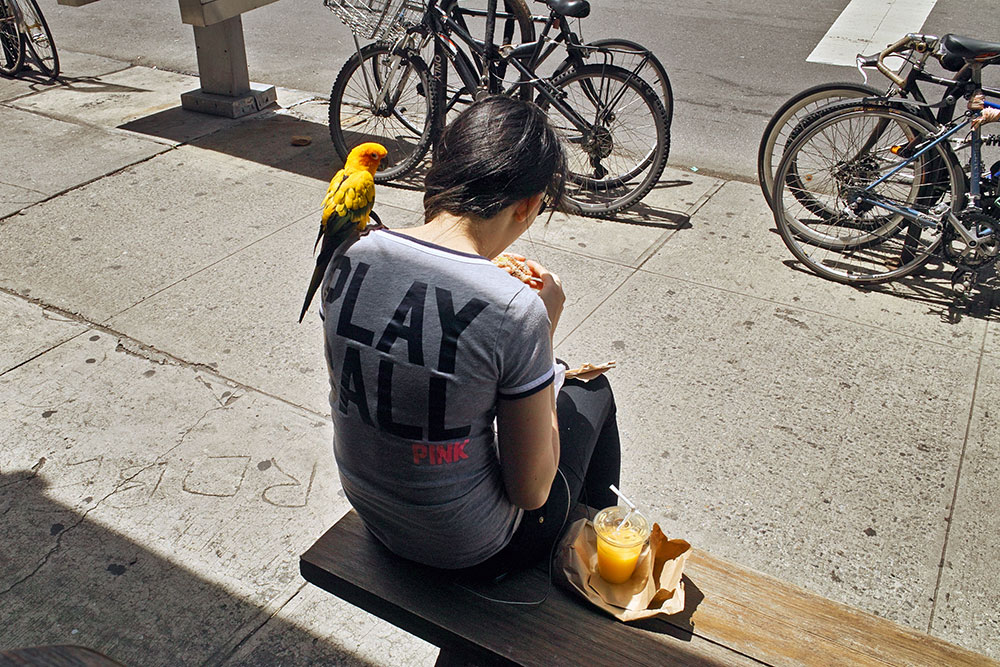
    parakeetOrchard Street — © Brian Rose

    Without comment.


  • New York/Art School/Protest

    stepdown01
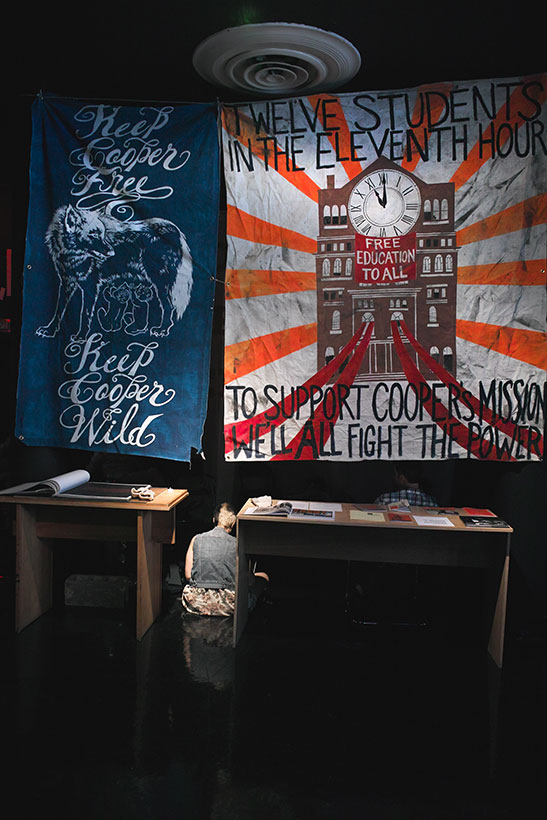
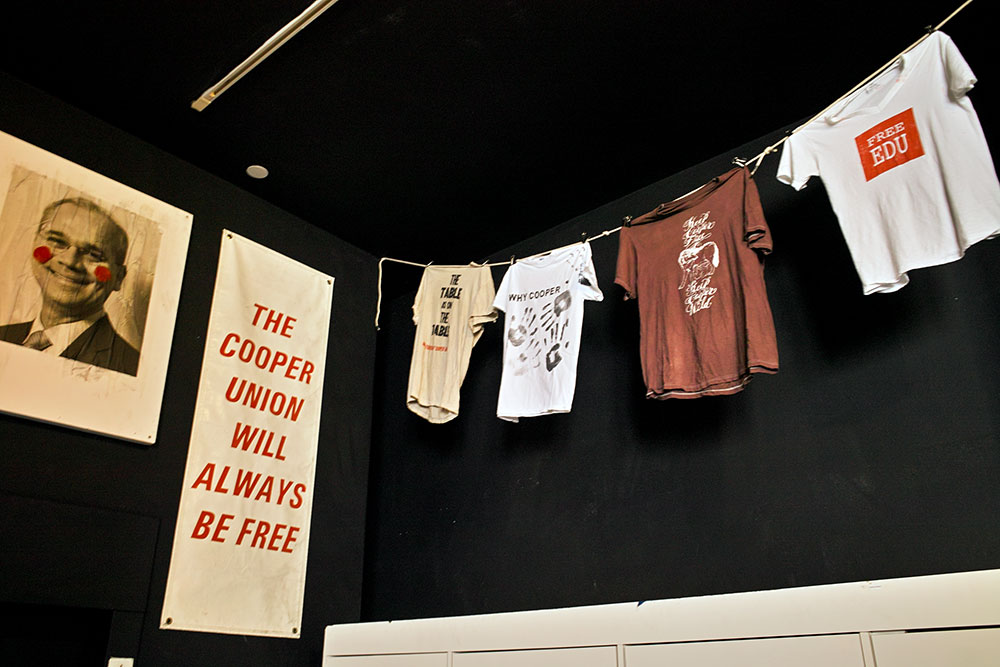
    Step Down, Cooper Union, with student leader Victoria Sobel seated on floor
    © Brian Rose

    Art school, protest, and how I got to Cooper Union

    Before transferring to Cooper Union in 1977 I was attending MICA (Maryland Institute College of Art). It was an expensive private art school — tuition is now just over $39,000 per year. I remember the college president telling the incoming class in a welcoming speech what percentage of students would complete their degrees and go on to find careers in art. It was a discouragingly low number.

    Previously, I had studied urban planning and architecture at the University of Virginia, and art school was difficult step for me. But my interest in photography had blossomed, and I saw myself becoming a fine art photographer down the road. At first, the diverse course offerings for obtaining a BFA were daunting — I hadn’t done any drawing or painting before — but I became increasingly appreciative of the interconnectedness of the different media, and as I became more confident in my abilities, I began to evaluate the students around me as well as the quality of the professors I was studying with.

    It was a mixed bag. Many of the students seemed more enamored of the art lifestyle than the actual practice of art. And many of the professors, especially the entrenched tenured ones, seemed to be coasting as artists. There seemed a lack of ambitiousness all round. A large faculty art show in the college gallery confirmed my suspicions. The work was weak and directionless, and to me, it was insulting to those of us paying a ton of money to attend the school. So, a friend of mine and I engaged in a little guerrilla action, creating a flyer printed in black courier type that panned the faculty show and suggested that our tuition money was going to waste. We taped these flyers up everywhere on the campus — on walls, doors, in classrooms, restrooms, inside drawers and underneath desks. It caused quite a sensation.

    I should say here, however, that some of my motivation was simply unearned hubris, and that some of my professors were excellent. Furthermore, not knowing what things are like at MICA in these days, this should not be construed as criticism of the present school. However, I was right about needing a more challenging environment, and as a result, began looking into exchange programs with other art schools. Above all, I wanted to explore color photography. It was 1976, and color was just becoming a viable medium outside of advertising and magazines, and seeing that Joel Meyerowitz, one of the pioneers of color photography was teaching at Cooper Union, I knew where I should go. I did my one semester exchange, hung around unofficially for another semester auditing classes, using my student ID good for a year, and eventually got in as a transfer student. The dean of the art school later told me they accepted four out of 450 applicants for transfer that year.

    It had to be Cooper. My parents had pretty much given up on me and my educational wanderings, and had cut off my funding. Cooper, of course, was tuition free, making it possible for me to continue my dream even without parental support. A full telling of the story would describe in detail how life-changing the experience of attending Cooper was. How terrific the teachers were. How brilliant the students were. How it was understood without questioning that we were artists, and would go on to be artists in the real world, in New York City just outside the door, our campus and hometown. And that’s what happened for me. I was able to immediately begin an extended photography project upon graduation, and have been pursuing my dream for 30 years since.

    Art School, protest, and (the end?) of Cooper Union

    On Saturday I attended both Show Up, the annual end-of-year student show at Cooper Union, and Step Down, the renegade art show on the 7th floor of the Foundation Building just outside the office of Jamshed Bharucha, the college president. As those of you following the news already know, the president’s office has been occupied by students demanding that he and the chairman of the board of trustees resign. The sit-in was precipitated by the decision to begin charging tuition to close a budget gap brought on by financial mismanagement and the lack of imagination and leadership required to fix the problem. This alteration of Cooper’s central mission of providing free education to all, regardless of economic status, threatens to destroy the egalitarian meritocracy that has made this place a unique treasure.

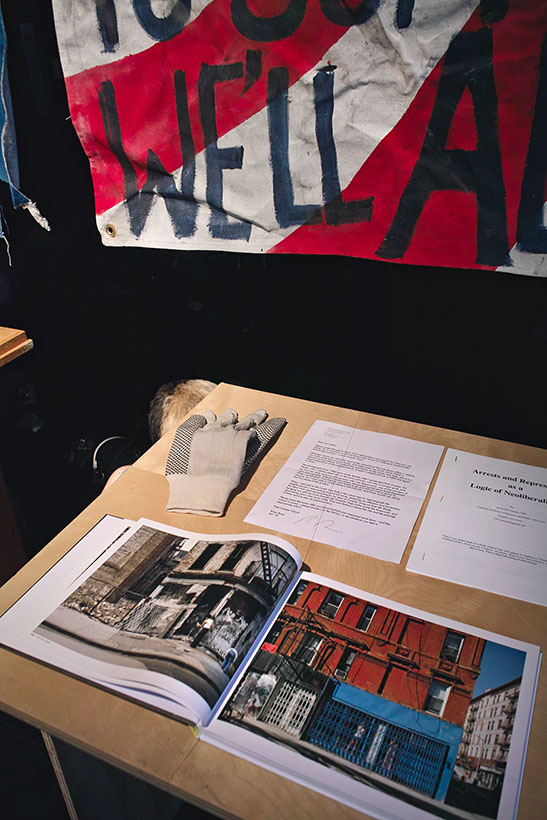
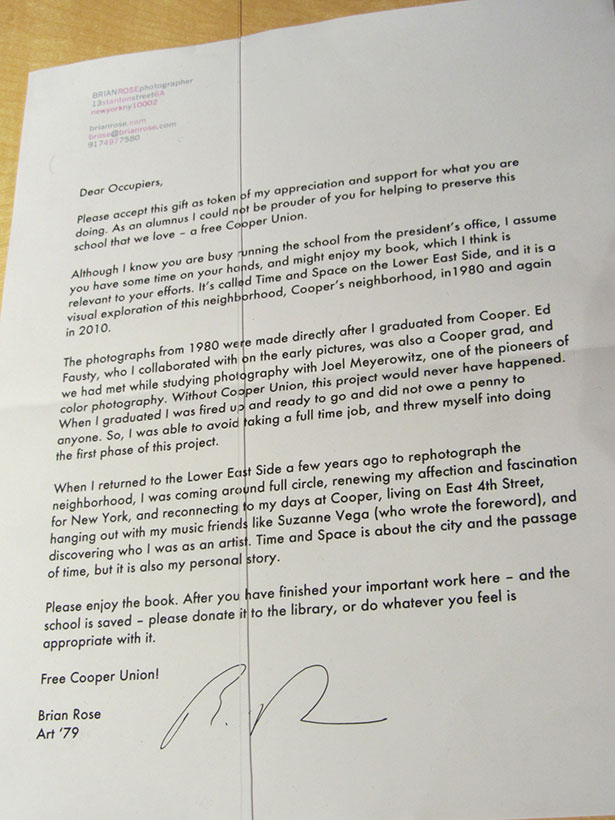
    Step Down is an openly polemical show full of anger and biting humor. The work was provided by students, alumni, and friends. I donated my book Time and Space on the Lower East Side with a letter to the students who are leading the effort to save Cooper Union. The letter explains that Time and Space would not have happened without Cooper, and that it reconnects, for me, the gap between the present and that time when I first arrived in New York City. The student protest at Cooper goes far beyond my modest flyer of 1976, but both actions, on different levels, are about the quality and the value of education.

    The book is displayed on a table, and you can read my letter below. (Click on the letter for an easier to read view)

    stepdown02
    Time and Space on the Lower East Side at Step Down — © Brian Rose

    stepdown_letter
    Letter accompanying my book at Step Down 

    stepdown03
    Step Down, Cooper Union — © Brian Rose

    The art blog Hyperallergic wrote about Step Down:

    …the exhibition Free Cooper Union put together, in only a week’s time, is probably one of the most significant and symbolic shows of the year. …this is an important exhibition, singular in capturing a raw provocation to authority. It’s an endeavor as worthwhile as it is rare.

    And another article from ArtInfo.
    More photos of Step Down here.

    nab
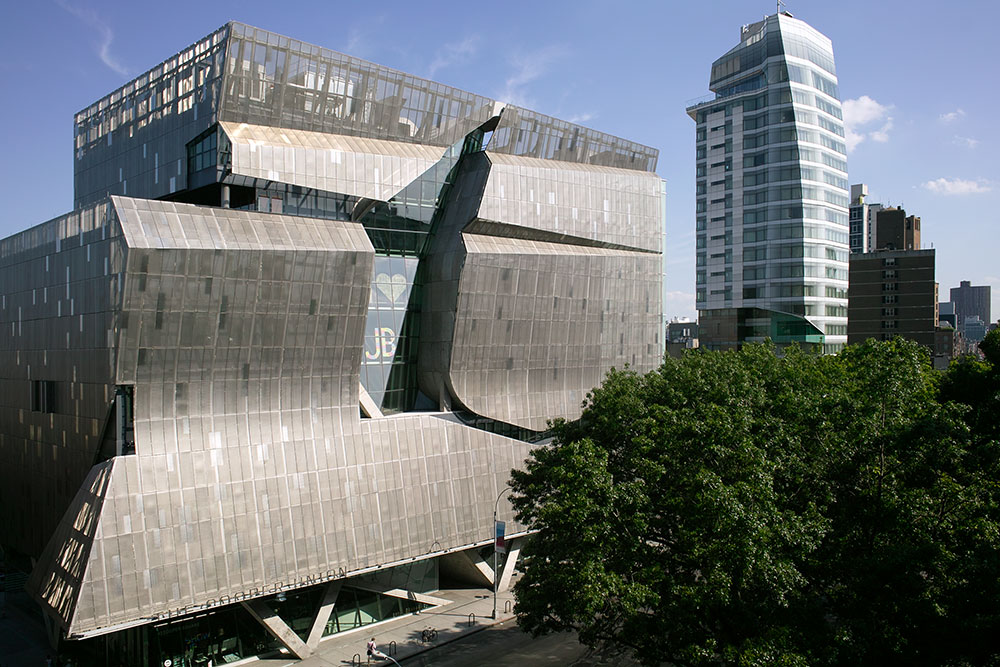
    The New Academic Building, Cooper Union — © Brian Rose

    As I was leaving the 7th floor, I pointed my camera out the window and made the photograph above across Cooper Square. Normally, when a university constructs a major new building it gets named for a prominent donor who helped make it possible. At Cooper the NAB, or New Academic Building, is a grand architectural statement bereft of a benefactor’s name. A large part of Cooper Union’s financial woes are connected to that fact. It was a complex real estate deal so they say, but, in a nutshell, the trustees chose to borrow the entire cost of construction, and now find they are unable to make the mortgage payments. As a result, they have shifted the debt to the students and abandoned the mission as expressed by Peter Cooper that education should be as “free as water and air.”

     

  • New York/WTC

    brooklynrooftop

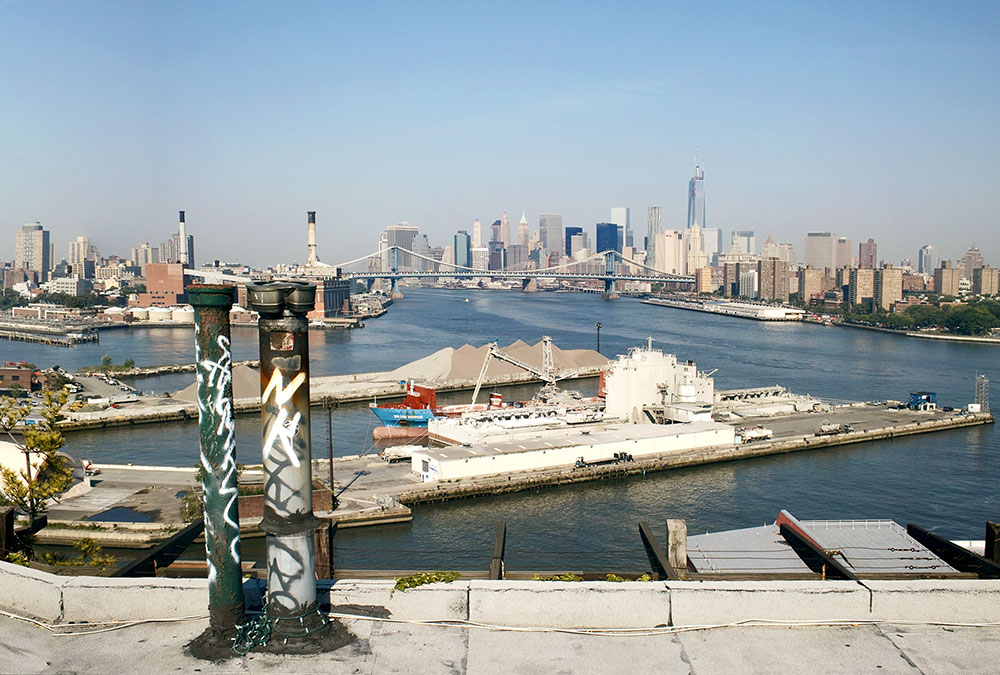
    East River and Brooklyn Navy Yard — © Brian Rose

    Now that I am no longer using the 4×5 for architectural shoots — it’s hard to believe that era is over — I have switched completely to a field view camera for my personal projects. I’m using an inexpensive Toyo made largely of plastic (blech) but it’s super lightweight. Way lighter than the Arca Swiss monorail camera I was using for architecture.

    I went out with the view camera yesterday morning. At 8:30am it was already getting hot, and the sky, while clear, was a bit hazy. I walked along the Brooklyn waterfront looking for distant views of One World Trade Center for my upcoming book, WTC. A few days ago, driving by, I saw some prefab housing units standing near Kent Avenue with the skyline looming behind. It didn’t seem quite so looming when I got there, but I did several photographs. For one picture I stepped a couple of feet beyond the open gate into the Brooklyn Navy Yard. A guard stationed about 200 feet away checking cars entering the yard immediately began yelling and blowing a whistle as if I had done something horribly wrong. For those of you outside of New York, this is no longer the Navy. It’s an industrial compound that hosts numerous businesses large and small. There are all kinds of innovative things going on in there.

    Anyway, I ignored the guard who was stuck in his little booth, took my picture, and walked away. From there I walked by 475 Kent, a controversial loft building full of artists that has been on the legal razor’s edge for work/live spaces for some time. I don’t know anything about its current status. But a resident coming out suggested I go up to the roof. So, up I went. I did two side by side views that may be combined for a panorama later. The right hand frame can be seen above, although that’s from my digital point and shoot, not the 4×5.


  • New York/Williamsburg

    dachshunds
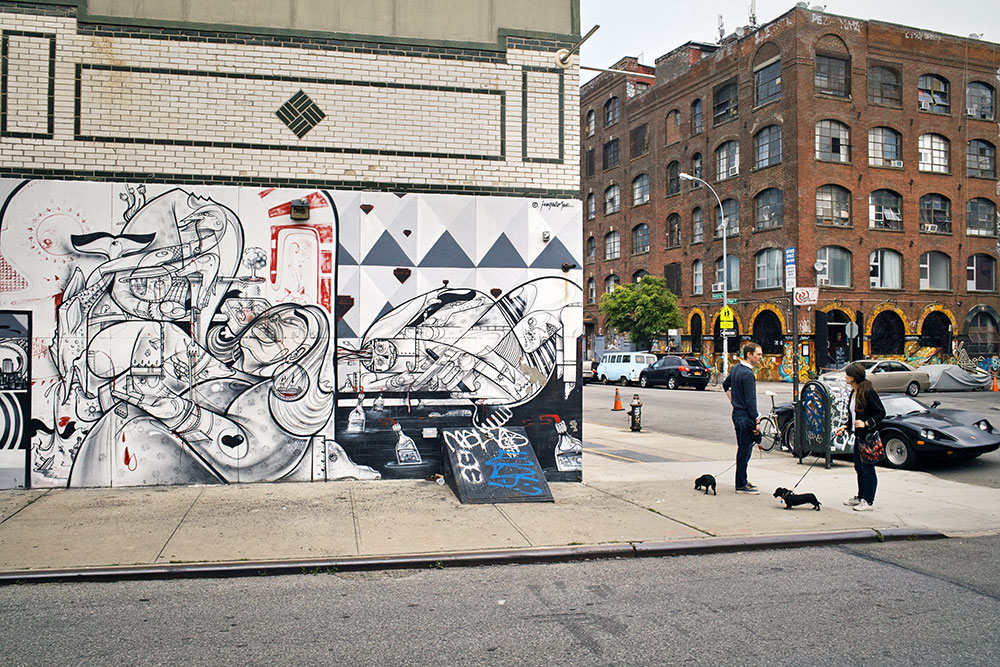
    Fillmore Place and Roebling — © Brian Rose

    walking
    Grand Street — © Brian Rose

    awnings
    Havemeyer Street — © Brian Rose

    Random images in Williamsburg, Brooklyn


  • New York/Lower East Side

    museumstorewindow
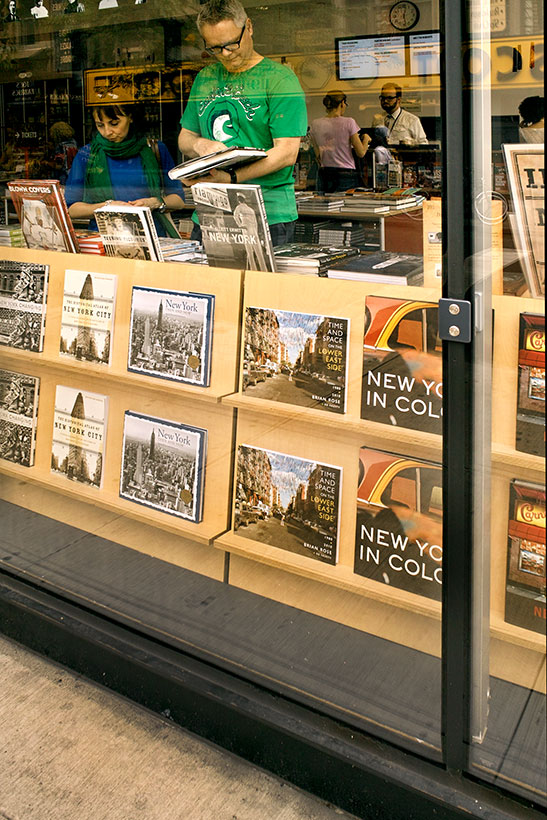
    Time and Space on display at the Tenement Museum Store — © Brian Rose

    It has been one year since Time and Space on the Lower East Side was published, and over 800 of approximately 1,100 books have been sold — well on the way to selling out. At the moment, I have no plans to go to a second printing. So, the first edition is undoubtedly something worth collecting. You can always go to my website to purchase, or to one of the independent booksellers in Manhattan like the Tenement Museum store above. I am now shifting gears to working on a new book, WTC, partnering again with Bill Diodato of Golden Section Publishers. This book will focus on the skyline of New York, principally the Twin Towers and their replacement One World Trade Center, and includes pictures from 1978 to the present.

    I found this recently — the blog I Fear Brooklyn. Bob Hill, who keeps the blog wrote a short but wonderful encomium to Time and Space on the Lower East Side. Hill writes:

    …Time & Space presents the New York that we talk about when we talk about New York. The beauty of this exhibition being Brian Rose set out again a few short years ago, this time to document the same East Side a full three decades now removed. If anything, these photos serve as a reminder that the more things change, the more they stay the same. But they also leave a sense of setting out again at twilight, if not the very awkward feeling it’s much later than you know.

    Of all the things written about Time and Space, this is my favorite.


  • New York/Staten Island

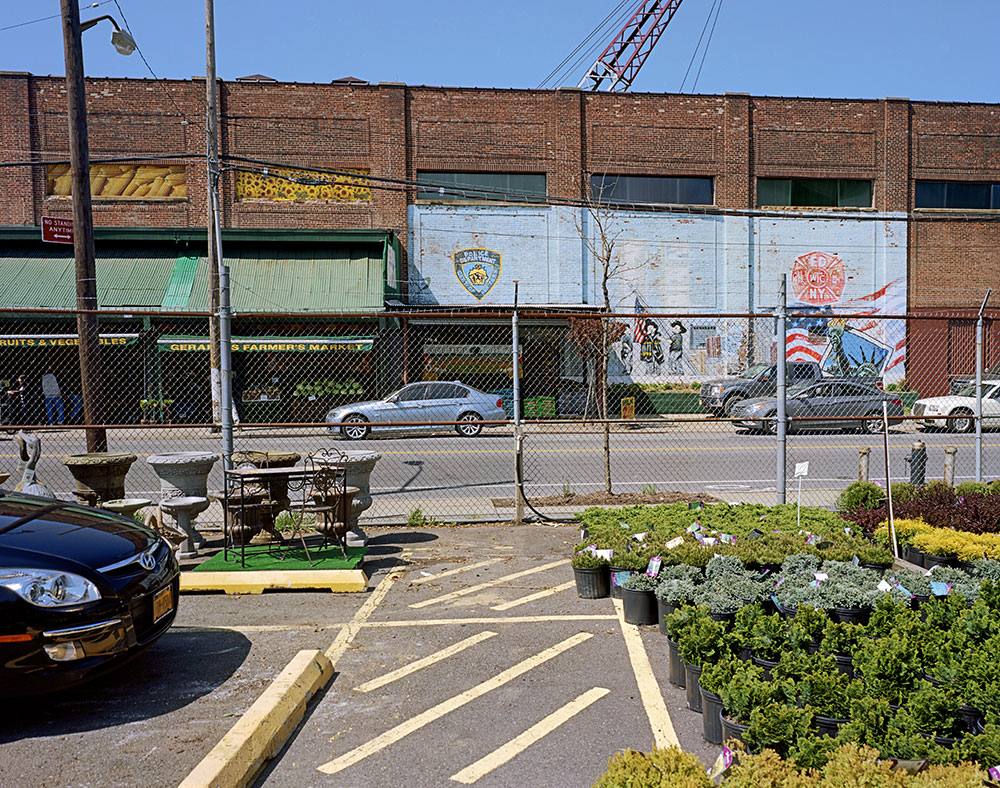
    si_marketRichmond Terrace, Staten Island (4×5 film) — © Brian Rose

    A few weeks ago I took my view camera down to Staten Island to rephotograph a mural that I encountered last year. It’s on the side of an old factory building that now contains Gerardi’s Farmer’s Market. The central element is a depiction of three firemen hoisting an American flag Iwo Jima style in the rubble of the destroyed Twin Towers, which is based on a widely seen news photo taken by Thomas E. Franklin.

    Almost 12 years after 9/11, the painting has begun to fade and flake off, the Twin Towers have become faint and indistinct. I photographed the mural from several angles and settled on the one above taken across the street in a garden center. Although the 9/11 museum has yet to open at ground zero, and memories of that day remain fresh for many, the images of 9/11 have begun to recede into the background.


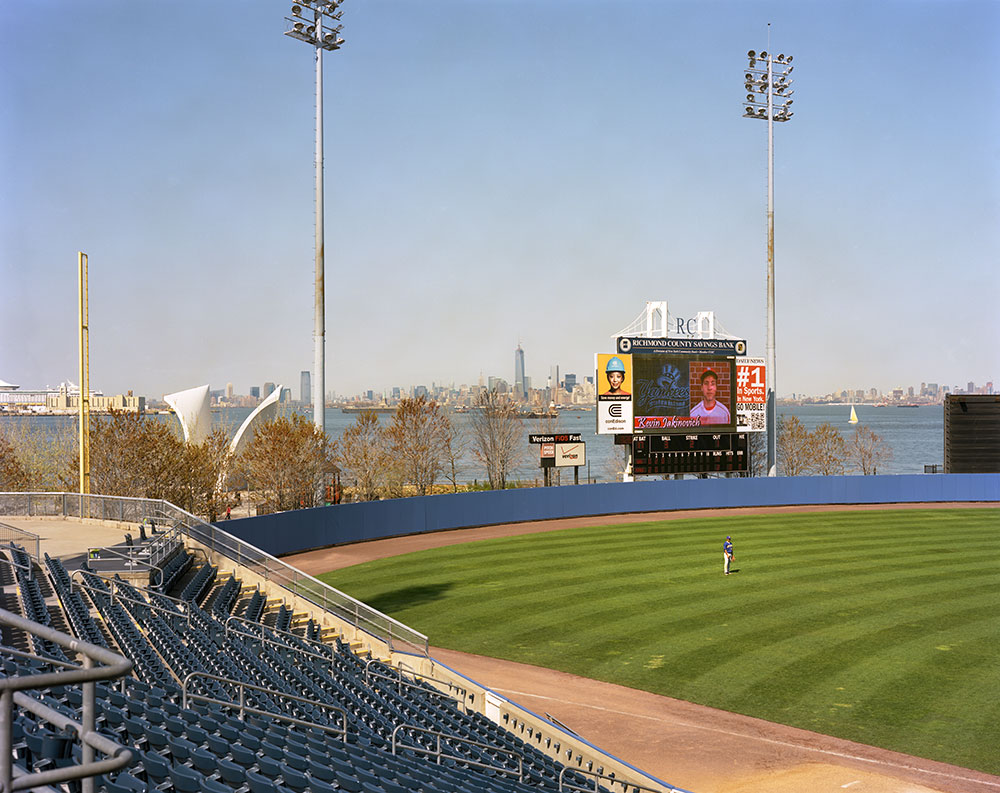
    stadiumStaten Island Yankees stadium (4×5 film) — © Brian Rose

    On my way back to ferry I saw that a high school baseball game was being played in the Staten Island Yankee’s stadium. Admission was free, so I walked in and took a couple of pictures. The Staten Island memorial can be seen at left with its two wing-like structures, and One World Trade Center rises at center. On top of the scoreboard is a cutout image of the Verrazano Narrows Bridge.


  • New York/Broadway

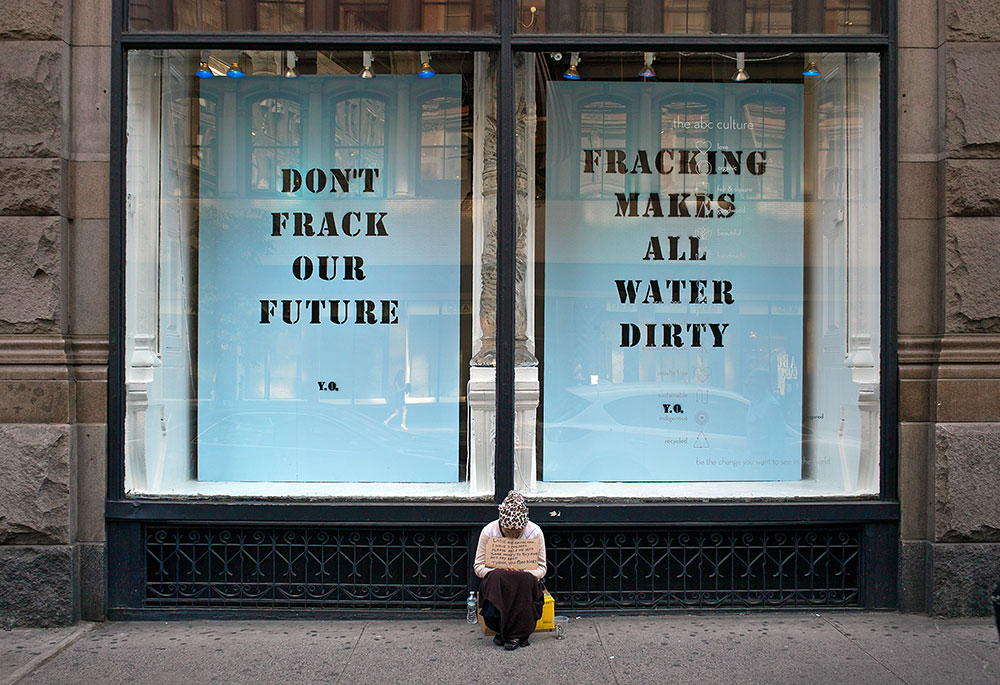
    fracking
    Broadway — © Brian Rose

    Yoko Ono’s campaign against tracking.


  • New York/Soho

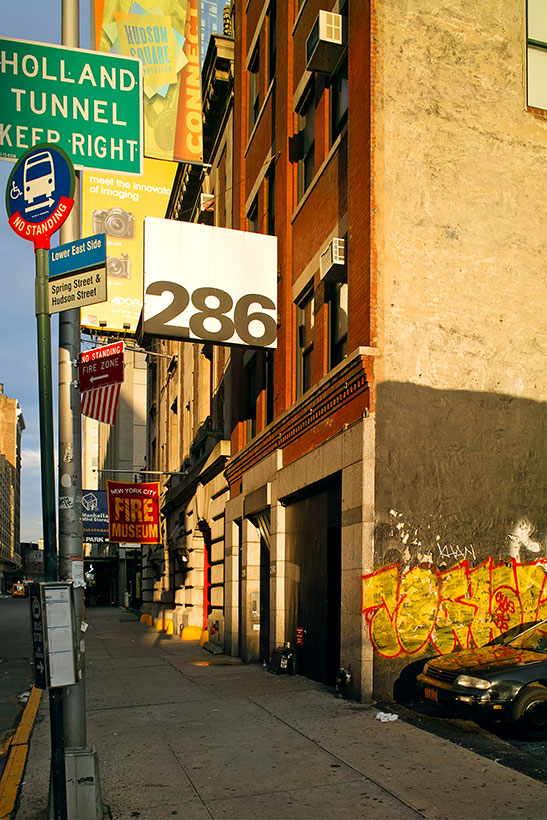
    firemuseum
    Spring Street — © Brian Rose

    Without comment.


  • New York/Cooper Square

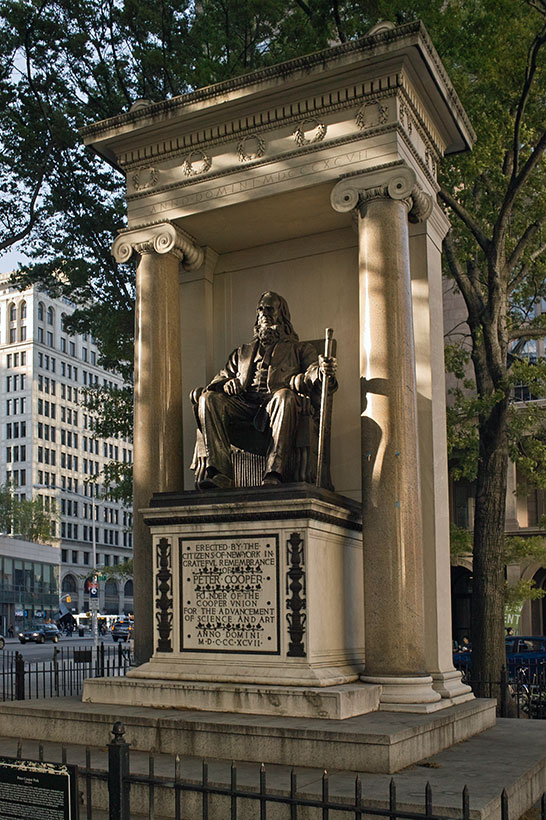
    cooperstatue
    coopertext

    Photo made 6PM, May 12, 2013, Cooper Square.
    © Brian Rose


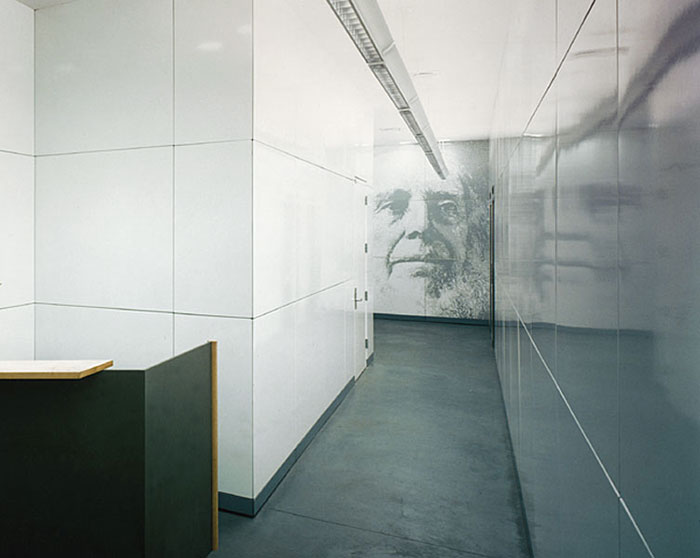
  • New York/The Ghost of Peter Cooper

    petercooperThe ghost of Peter Cooper — © Brian Rose
    Cooper Union students have taken over President Jamshed Bharucha’s office in the Foundation Building on Cooper Square. They are demanding his resignation in response to the decision made by the board of trustees to begin charging tuition at one of America’s last free colleges.

    The president and the board of trustees have failed in their stewardship of this magnificent institution. May the ghost of Peter Cooper forever haunt their dreams.

    Sign the no confidence letter here.

    New York Times article from this morning.


  • New York/Meatpacking District

    mp011 14th and Hudson Street, 1985 — © Brian Rose

    14and9th14th and Hudson Street, 2013 — © Brian Rose

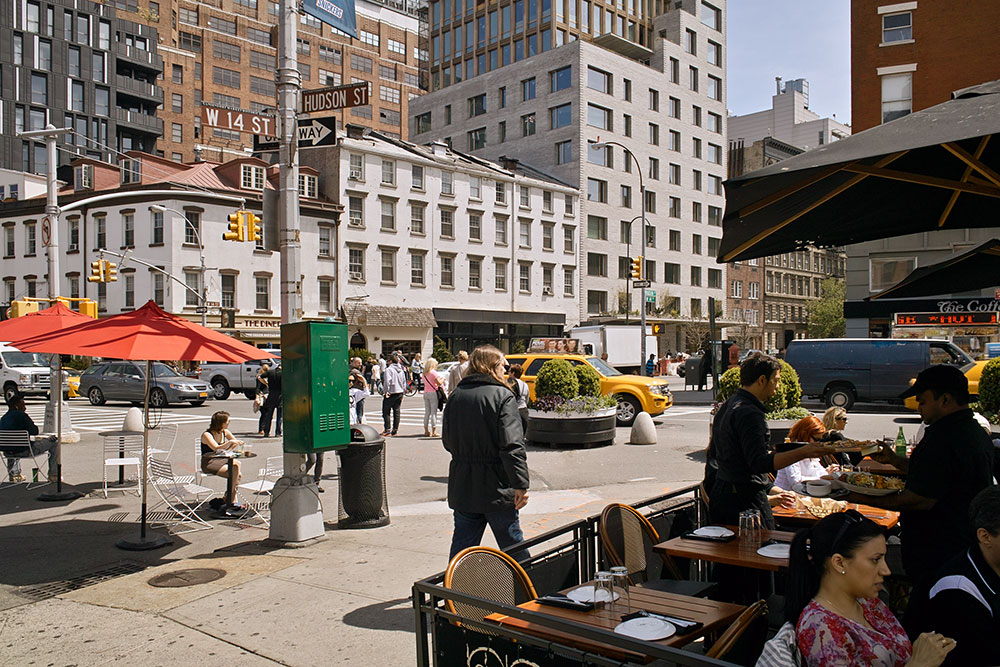
    A few months ago I posted some of my photographs of the Meatpacking District taken in 1985. At that time, the area was desolate by day–the city seemingly abandoned. People have been clamoring for me to do before/afters of the images, and I have more or less decided to go ahead with it, even though it was an approach I largely eschewed when doing Time and Space on the Lower East Side. The changes in that neighborhood were much more complex and deserved a more nuanced investigation. But here in “MePa” the transformation of the streetscape is so gobsmacking that it just seems a necessary thing to do. So, the plan is to repeat about dozen of the images made in ’85, and do various other contemporaneous views as they strike my fancy.

    Yesterday, I was on 14th Street with my point-and-shoot camera and made the picture above. Soon, I’ll get out there with my view camera.


  • New York/Noho

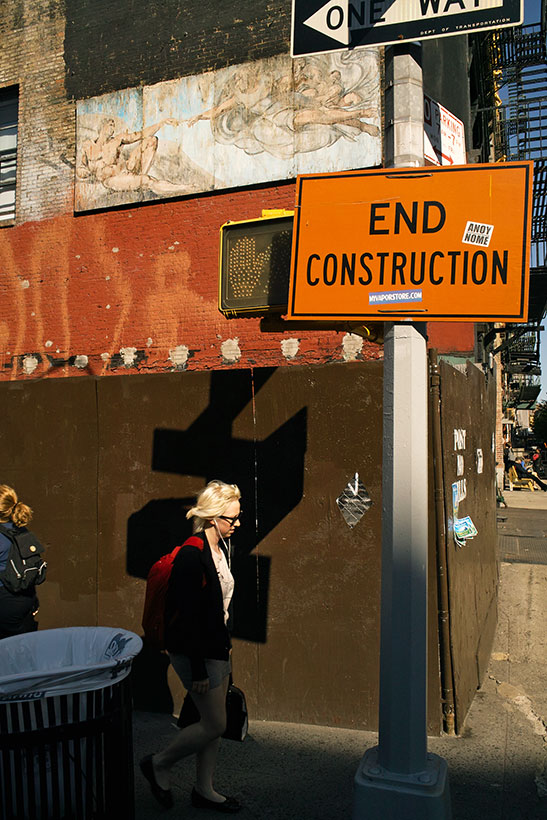
    endconstruction
    Lafayette and Bond Streets — © Brian Rose

    The creation of Adam.


  • New York/Around Town

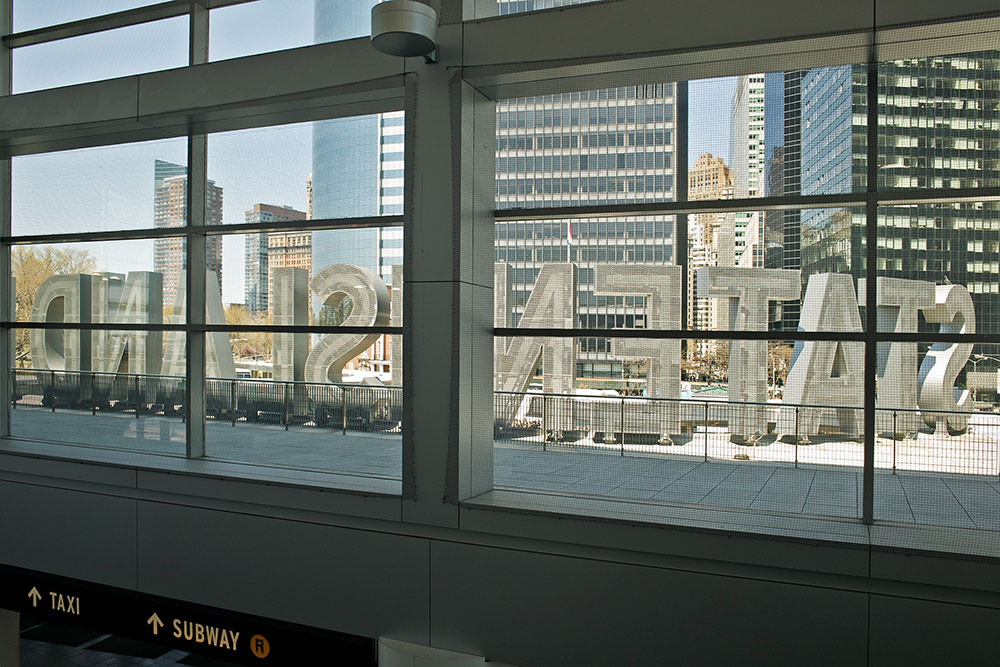
    statenislandStaten Island Ferry terminal in Manhattan — © Brian Rose

    Now that my exhibition is down, and Time and Space on the Lower East Side is about 2/3 sold, it’s time to shift gears to my next book, another long-term project dealing with New York City. A couple of years ago it occurred to me, almost out of the blue, that I had in my archive enough photographs taken over the years for a book about the World Trade Center. This was not a premeditated project, but something that grew organically, one series of images at a time.

    You can see the book dummy here on Blurb. And here is the CNN story about it. The mural based on seven close-up images of the Twin Towers’ facades can be seen here.

    Most of the book is done. It’s just a matter of pulling it together with several images of 1WTC reaching its full height on the skyline, and possibly a few more thematic images that act as connective tissue. Awhile ago I did a walking tour through the St. George area of Staten Island and came across a mural of the Twin Towers and firefighters. I snapped a couple pictures with my pocket camera. On Saturday I went back with my view camera. As is so often the case, the whole situation seemed different–different light, different atmosphere, vehicles blocking some of the sight lines to the wall. But you never know about these things. I found other ways to photograph the same subject. I’ll post the results when the film gets developed.

    randallsisland
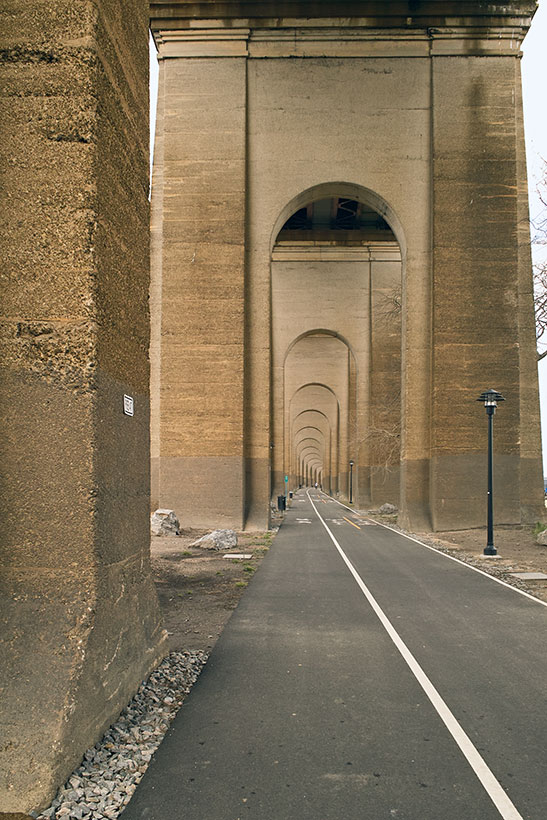
    Randalls Island rail viaduct — © Brian Rose

    My son Brendan plays baseball with his middle school team and little league. Fields are hard to come by in Manhattan, and those that are available are usually artificial turf, oddly shaped, and somewhat difficult to get to. This year, we’ve had to go up to Randall’s Island several times. It’s a mess to get to by public transportation. Situated in the East River adjacent to Harlem, it has historically been a place to hide things like psychiatric hospitals and sewage treatment plants. Recently it has become a recreational park with, track and field, tennis, soccer, and baseball facilities.

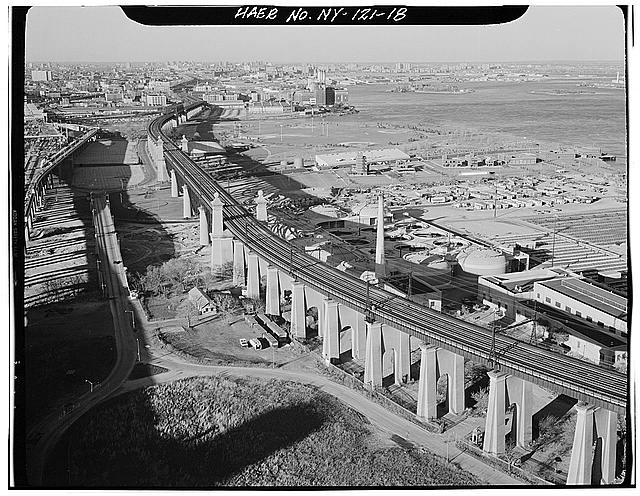
    Randalls Island is crisscrossed by major transportation infrastructure, the Triboro Bridge, famously built by Robert Moses, and the Hell Gate bridge that carries Amtrak and freight trains into and out of the city. The massively built structure passes over the entire island and a bicycle and foot path runs beneath the arches. Here’s an aerial view made some years ago:

    railviaduct


  • New York/Lower East Side/Soho

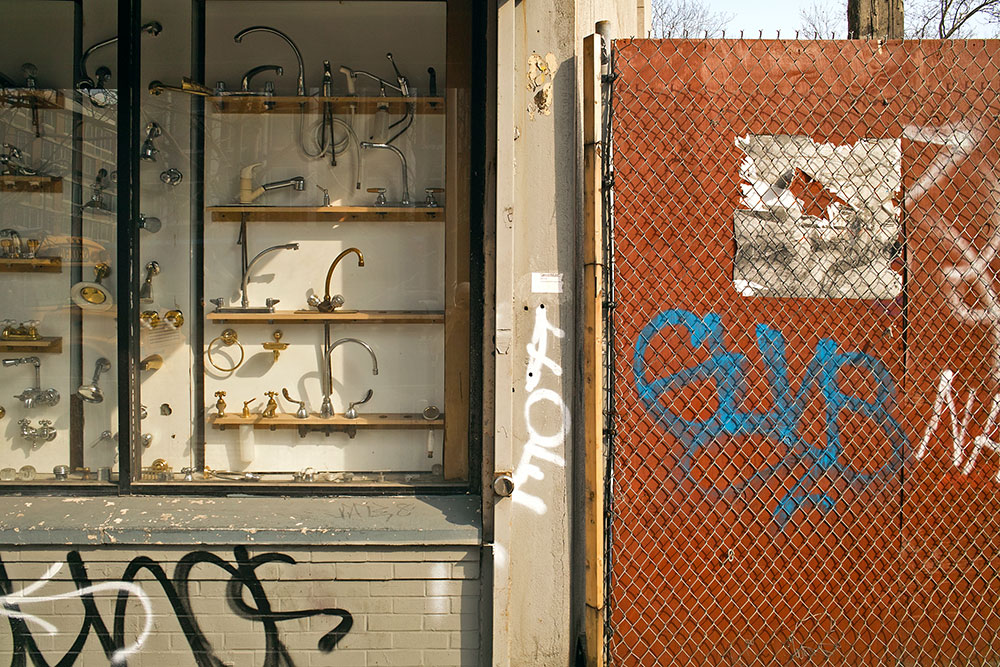
    faucetsSecond Avenue — © Brian Rose

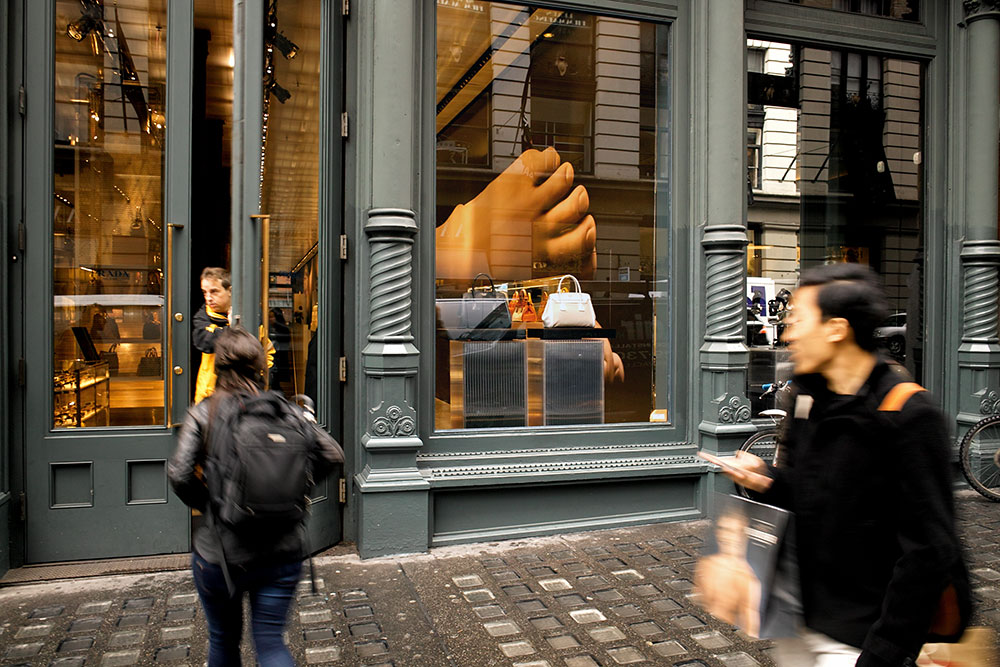
    pradafootBroadway — © Brian Rose

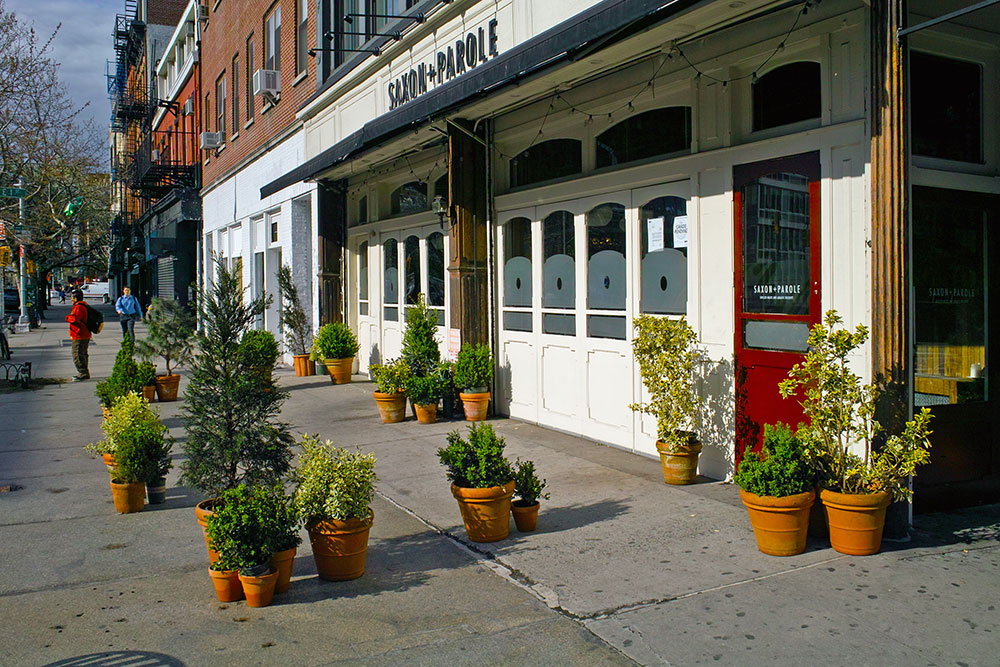
    saxonThe Bowery — © Brian Rose

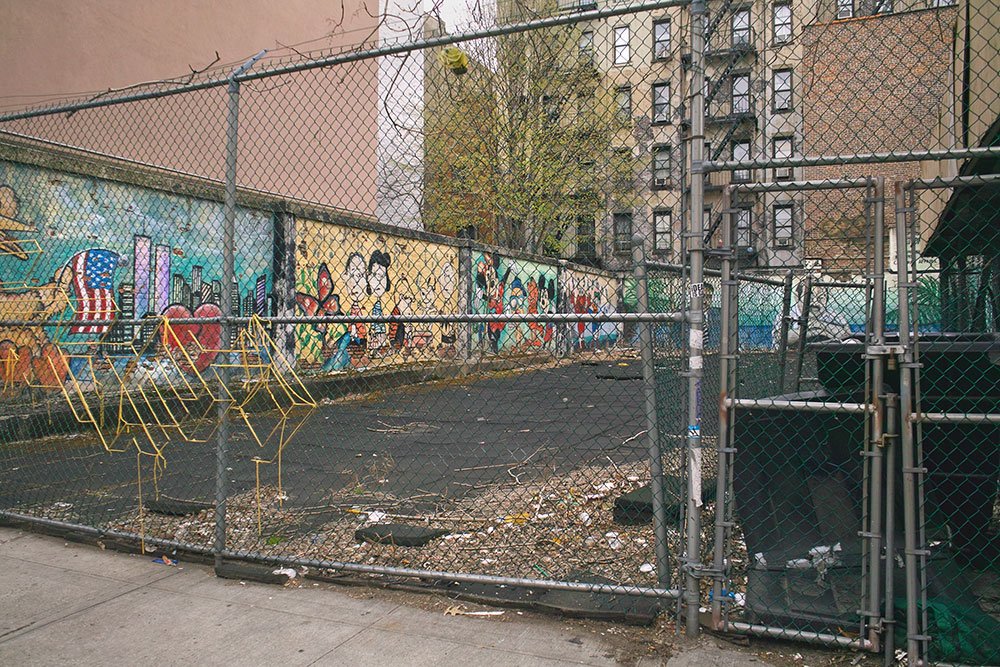
    Random stuff.


  • New York/Cooper Union

    As a proud alumnus of Cooper Union, I write the following post with the heaviest of heart.

    The quotes below come from the New York Times March 9, 1904, in a tribute to Peter Cooper, during which Andrew Carnegie and others expounded on the responsibility that comes with great wealth. The director of Cooper Union, Charles Sprague Smith, spoke as well honoring the gift of $300,000 by Carnegie that made Cooper debut free “from basement to roof.” He went on to honor Abram Hewitt, son-in-law of Peter Cooper, former mayor, and father of New York’s subway system: “I know that the supreme desire of his life was that Cooper Union should be free. Every part of it is now free in every sense.”

    It is no longer.

    The values espoused eloquently in 1904 — albeit in self-congratulation — have now been repudiated by the decision of the board of trustees of Cooper Union to charge tuition beginning in 2014. Those who have guided this institution in recent years have failed in their trusteeship of this treasure of New York and the nation.

    As I wrote in an earlier post, Cooper Union is too small, too specialized, to survive in direct competition with larger better-funded institutions. The fact that it was a full scholarship — free — college put it in a class by itself. It brought the best students and professors together in an egalitarian community unlike any other in the world.

    That unique community of intellect and creativity has been sacrificed. Unless another Andrew Carnegie comes to the rescue quickly, or some other scheme is devised to return the school to its former mission, Cooper Union, in its now comprised state, will not likely survive.


    charles_sprague_smith

    smith_continues


  • New York/Boston

    twintowerspeanutsNorfolk Street, Lower East Side — © Brian Rose

    I was in Boston Thursday evening when the marathon bombers ran amok. Well… not physically. But I witnessed the events as they unfolded in a most unexpected, vividly surreal way.

    I was fascinated by the attempts of the public to find the bombers amidst the crowd near the finish line of the Boston marathon. Amateur sleuths were reviewing dozens of photographs available on the internet, engaged in a real-life version of “Where’s Waldo,” except that Waldo wasn’t in red and white stripes. He, and his likely accomplice, were supposedly carrying black and silver backpacks big enough to contain pressure cooker bombs.

    The crowd source detectives had managed to identify a number of suspects, all innocent as it turned out, and the New York Post had run one of the photos on their front page essentially fingering two young men in the crowd as the bombers. They were the wrong guys. Adding another black mark — if it’s even possible — on the shameful record of Rupert Murdoch’s odious tabloid. On Thursday the FBI cleared things up by releasing video and photographs of the actual bombers who were still at large.

    I wanted to see how things were playing out on Reddit, the social media site with a group actively combing through the Boston crowd photos. It was after 9pm and I was reading the comments on Reddit, when suddenly, someone wrote that the bomber’s address had just been given out on the Boston police scanner. I tuned in, which is easily done on the internet, and began listening to the mostly tedious back and forth between police officers and dispatchers. Though nothing more came up about the address, for some reason I kept listening while continuing to read commentary about the photos.

    At around 10:30 an anguished voice punctuated the static — “officer down!” —  and then a few minutes later I heard the strangled cries for help from the MIT campus in Cambridge. Having no idea that it was related to the marathon bombers I continued to listen as the police rushed to the scene and began searching the subway and the surrounding streets. It was obvious that something dramatic and highly unusual had occurred in this normally placid college town.

    And then, a short time later, the initial report of a carjacking, the pursuit of the stolen car, “shots fired, shots fired,” explosions, calls for “long guns” and “gold cars.” It was pandemonium, as one police cruiser after another notified dispatch that they were headed for the scene. I listened deep into the night as the police began setting up a search perimeter and a command post. By then, it was clear that the carjackers were indeed the fugitive bombers, and I went to bed knowing that one of them was dead and the other at large in Watertown, the community adjacent to Cambridge.

    None of this raw and riveting information came from TV news or the websites of major media like the New York Times. I was one of a relatively small number of people — tens of thousands certainly — but small in country of over 300 million who witnessed in real time the dramatic events of that evening, listening through the cross talk, the cryptic jargon, the Boston accents, unfolding on the police scanner.

    There will be a lot of discussion about how things were handled — to my ears, the police were amazingly calm and professional under the most extreme circumstances — and whether we, the public, should be permitted to hear things from the inside in the future. For me, it was a unique, unforgettable experience, unfiltered by the bobble heads of TV news. I’m still thinking about it, but my initial feeling is that having access to the police scanner was more help than hindrance.

    I was there.