Author: admin

  • New York/The Bowery


    T
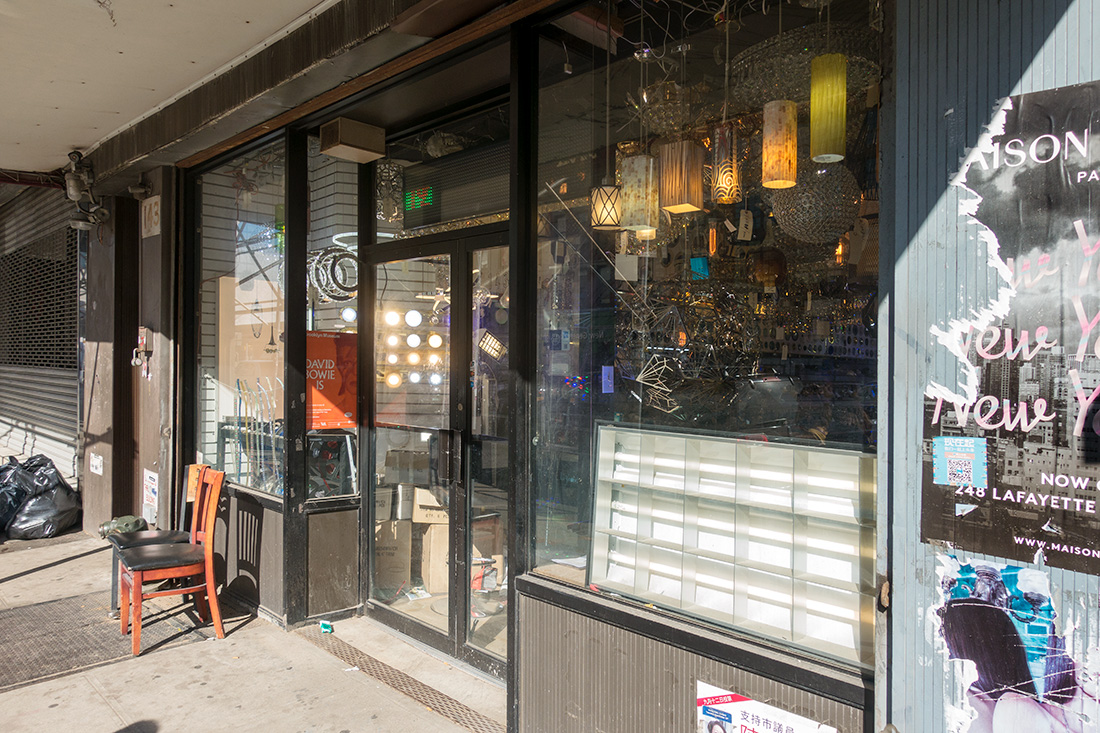
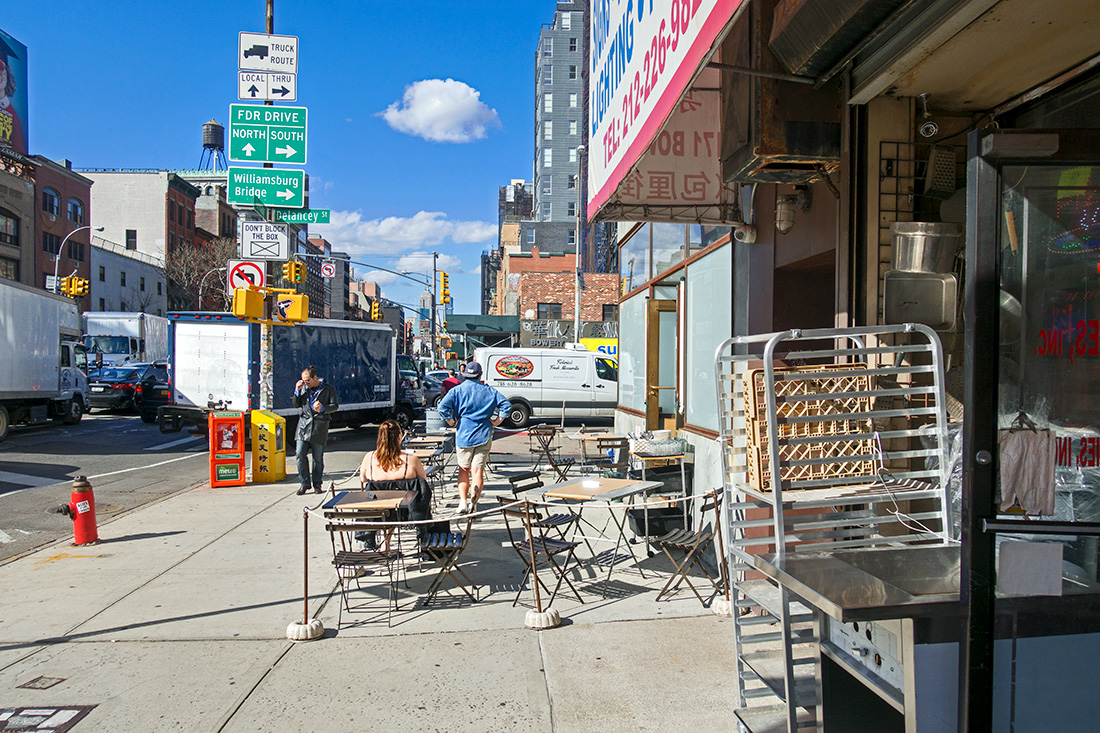
    he Bowery and Delancey Street — © Brian Rose

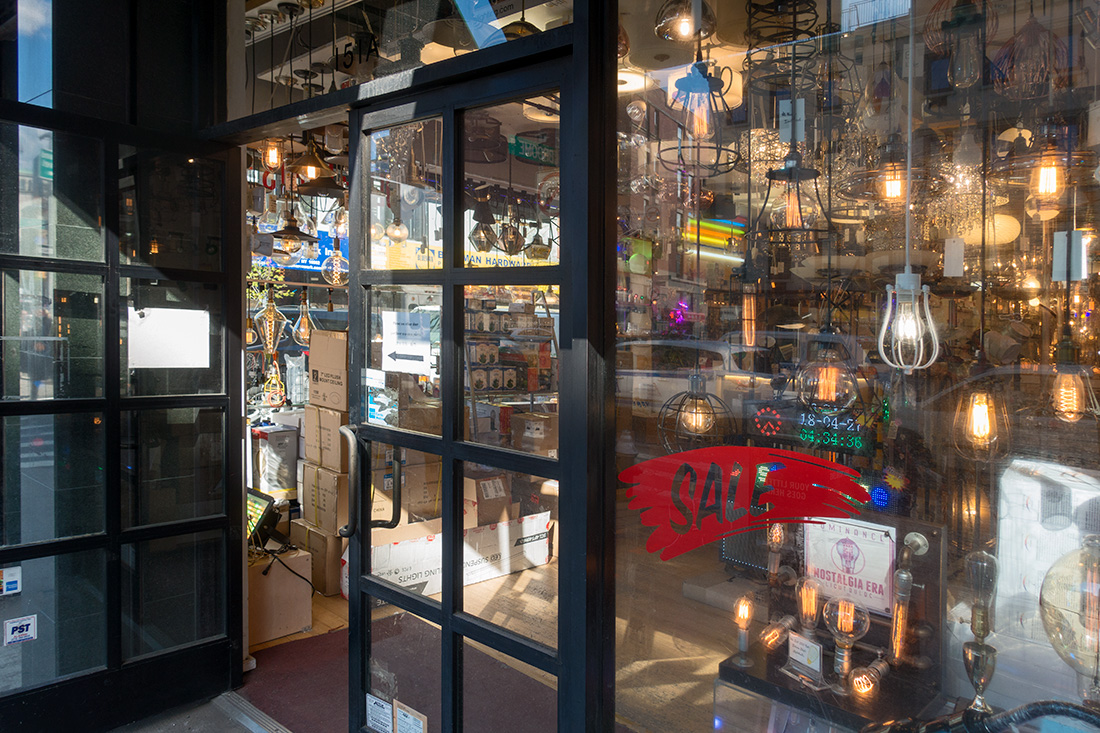
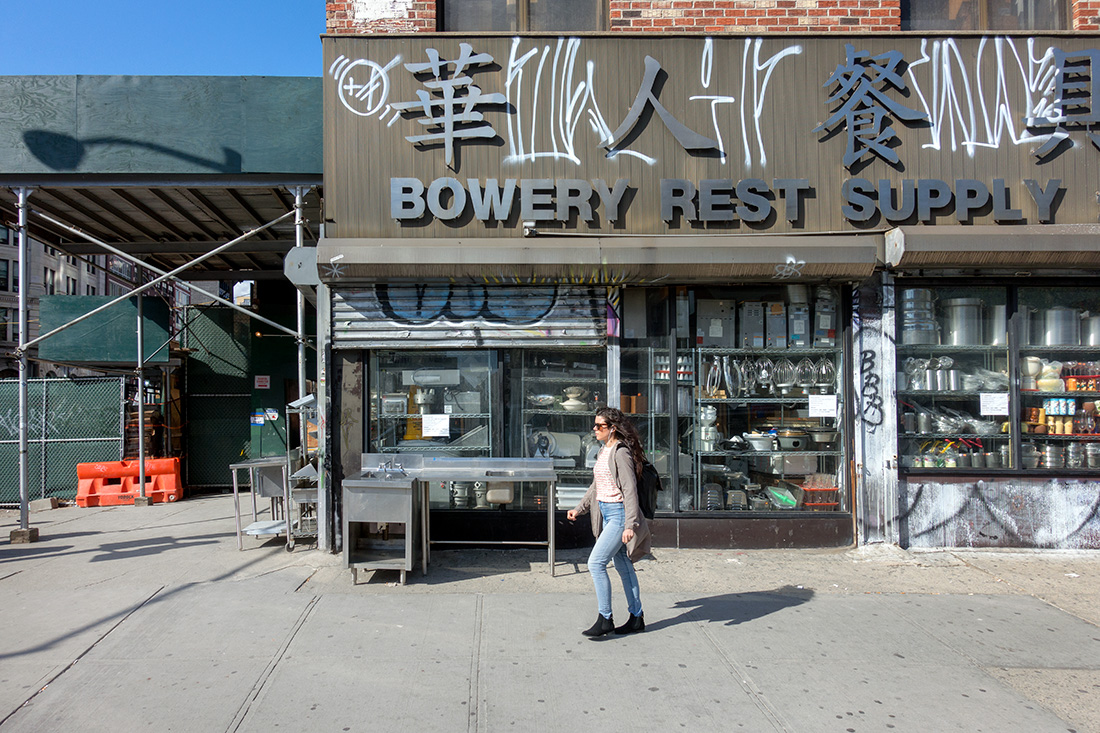
    The Bowery has been known for a long time as the restaurant supply and lighting district of New York. Manhattan used to have many such concentrations of businesses, often with their wares spilling out onto the sidewalks. Does anyone remember dodging rolling clothing racks in the Garment District?


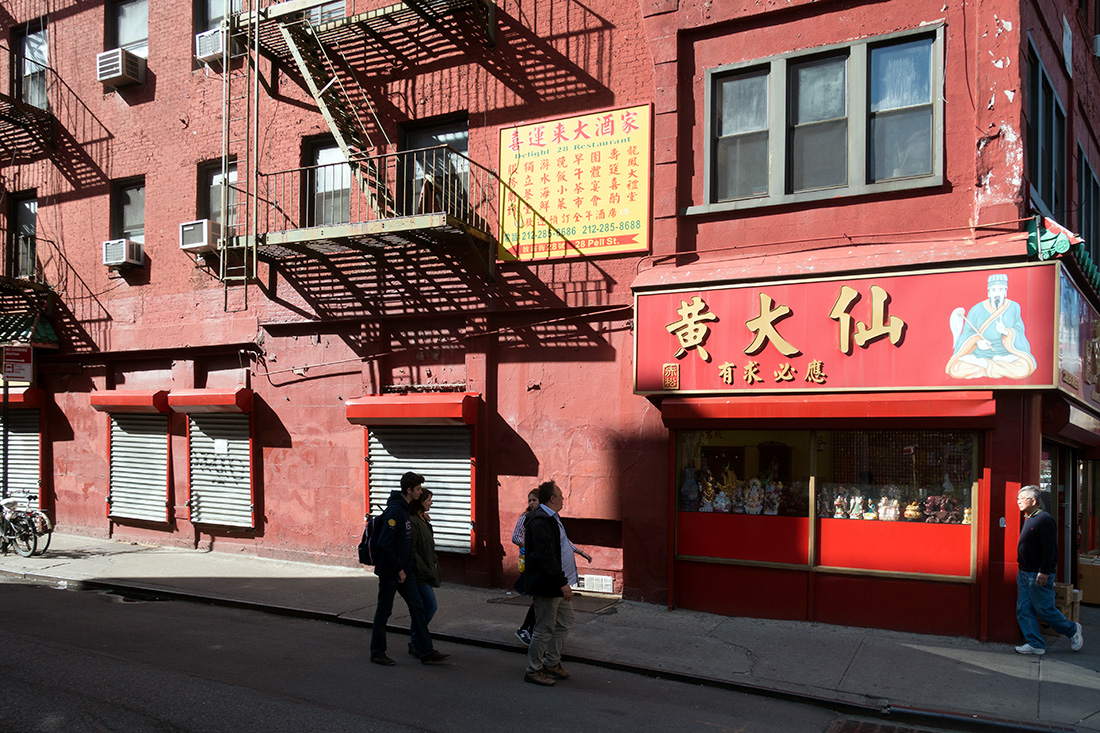
    The Bowery — © Brian Rose

    The stores are still there — mostly. But new hotels and a scattering of galleries and restaurants have gradually begun to move in. I actually expected a more rapid turnover, but I think that the restaurant supply and lighting businesses will eventually decamp for the outer boroughs. Some will be pushed out, others who own their buildings, will cash in.


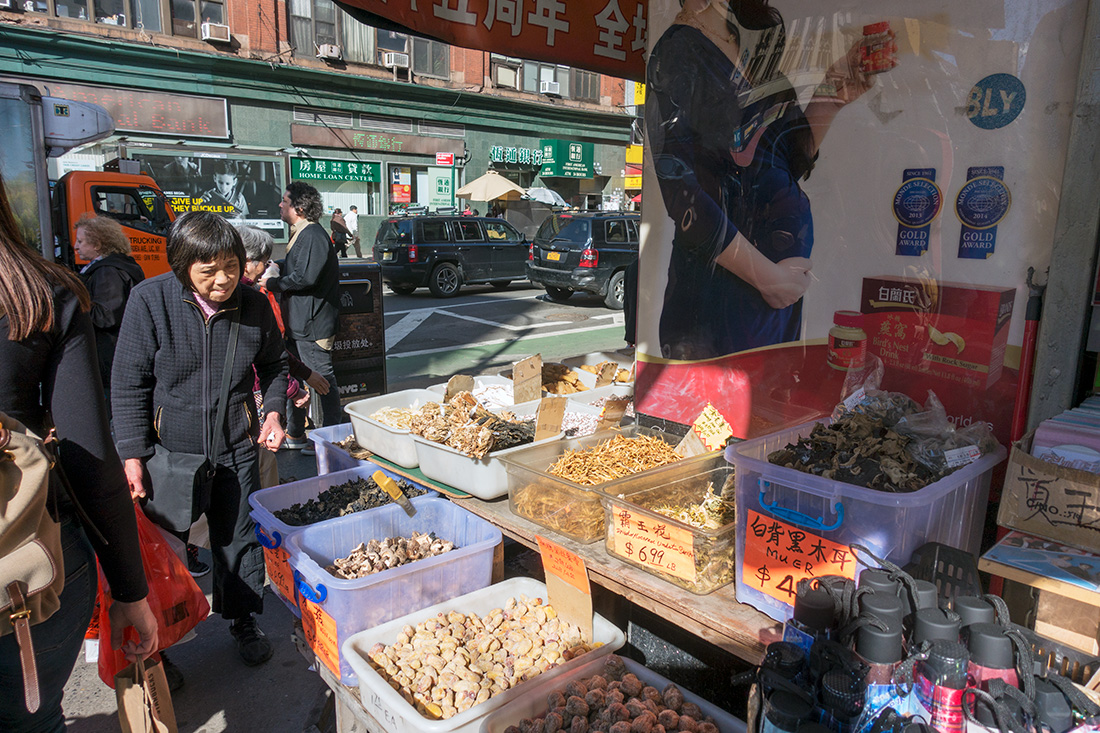
    The Bowery — © Brian Rose

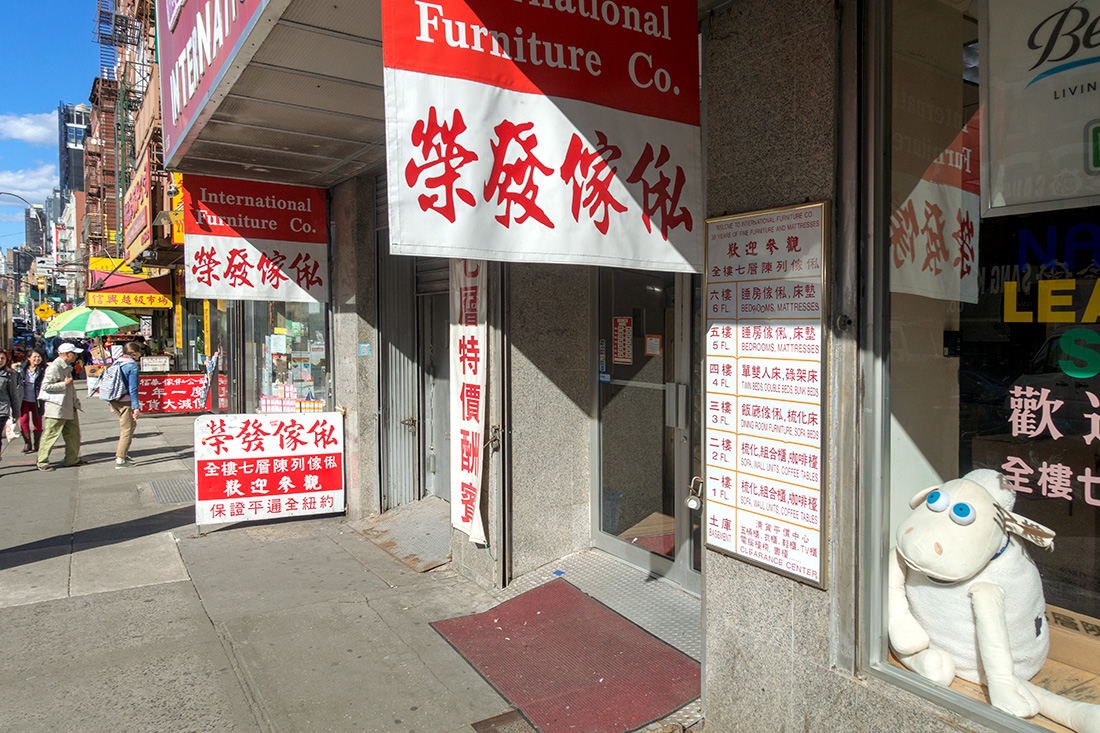
    The Bowery remains, for the moment, a wonderfully chaotic mess of street. There are still a few shelters for homeless men, vestiges of the days when this was New York’s skid row. Chinatown dominates the south end of the Bowery, as colorful as ever, while things have gotten quite upscale near Cooper Square at the north end.

  • New York/The Bowery


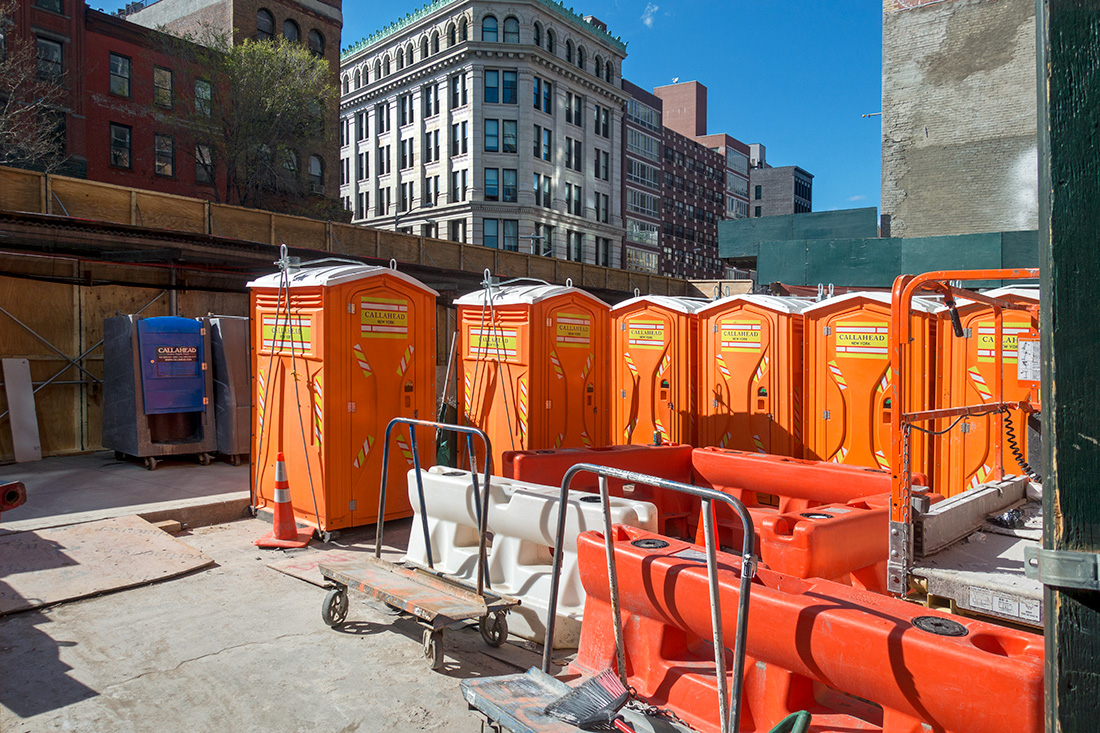
    The Bowery and Spring Street — © Brian Rose

    Don’t stare too long at this picture — can’t guarantee the bright orange won’t cause retinal damage.

  • New York/The Bowery


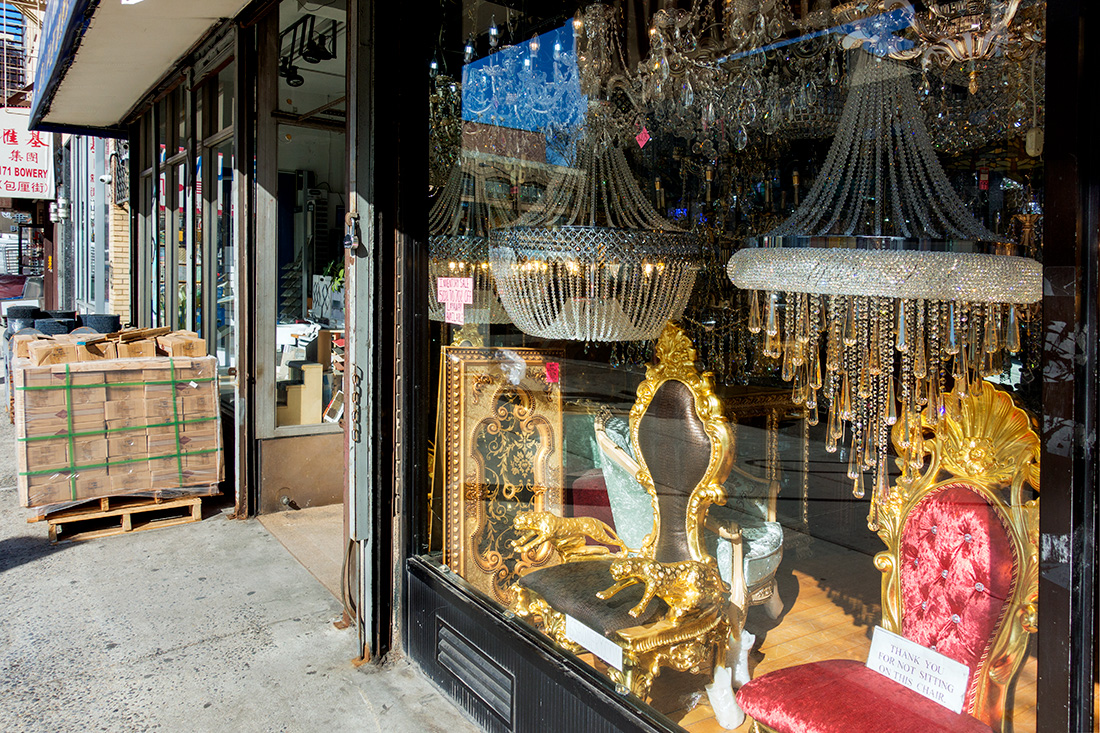
    The Bowery — © Brian Rose

    Just a few doors from the cacophonous corner of Delancey Street and the Bowery, I came across George Versailles, a store displaying lots of gold encrusted furniture and glittering chandeliers. The faux opulence, the forced élegance. It vaguely reminded me of something. Oh yes…


    Donald Trump apartment, Trump Tower — photo by Sam Horine

    It’s Donald Trump by way of Louis XIV by way of Saddam Hussein by way of Muammar Gaddafi. Dictator chic — available on the Bowery.

  • New York/The Bowery


    The Bowery and Delancey Street — © Brian Rose

    Not many know this, but  Hitler was obsessed with inflicting direct damage to the United States, and had plans to drop a nuclear bomb on New York. Ground zero was this exact corner — the Bowery and Delancey — equidistant between Downtown and Midtown. Fortunately, the Nazis ran out of time, and were defeated before they developed the bomb.

    It is still an epicenter of sorts. Traffic going to and from the Williamsburg Bridge congeals at this point where restaurant supply outlets and lighting stores vie with sidewalk cafes for dominance. It feels a little like the center of all things.

  • New York/The Bowery


    Pell Street and Bowery — © Brian Rose


    Grand Street and Bowery — © Brian Rose


    The Bowery — © Brian Rose


    The Bowery — © Brian Rose

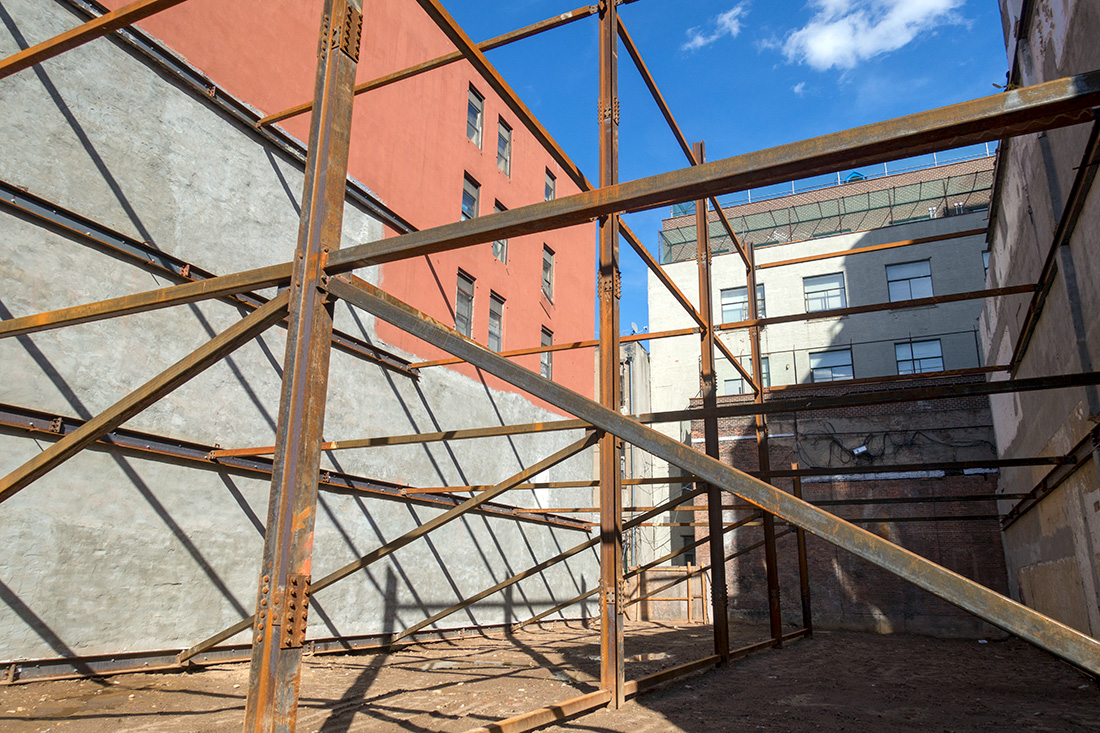
    Continuing my walk up the Bowery. Chinatown extends farther north than ever. There’s a lot of construction, but it’s hard to know which way things are going. It’s still a crazy quilt of shops, wildly diverse architecture, and crowded streets. In the late afternoon sun, shadows were sharp and colors vibrant. I made the photograph of the steel beams by sticking the camera through a construction fence.

  • New York/The Bowery


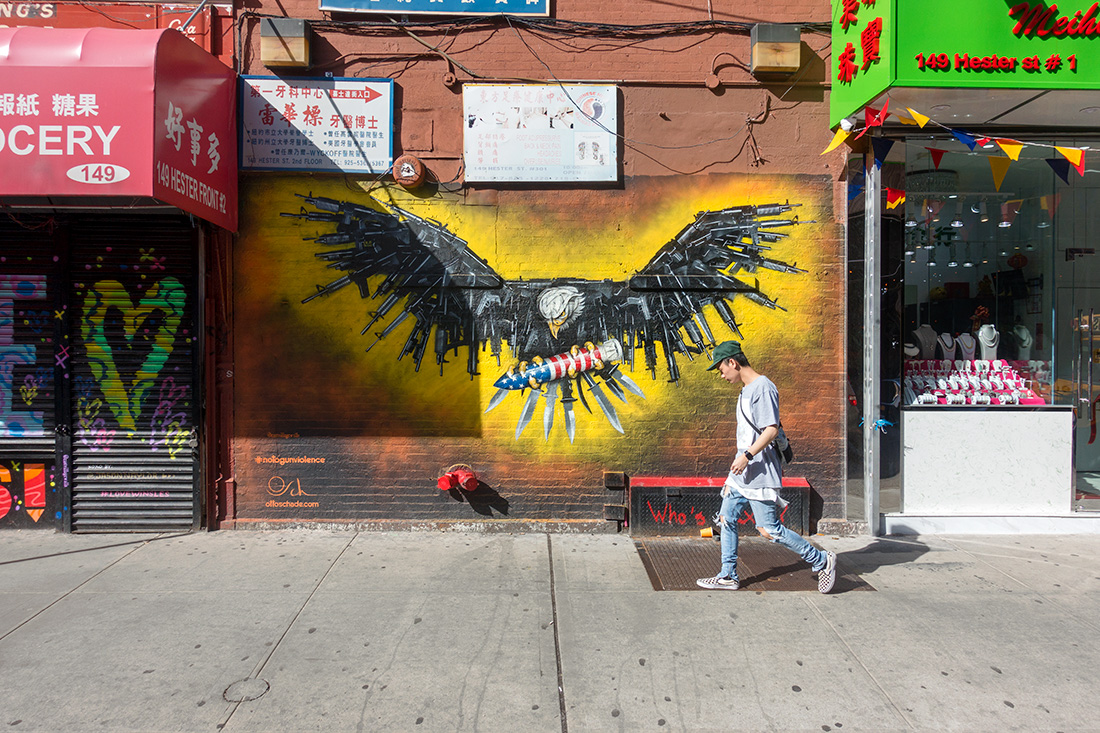
    Hester and Bowery — © Brian Rose

    I was down on lower Broadway and decided to walk back to my studio by way of the Bowery. At Hester Street, in the heart of Chinatown I came across Who’s Next, a mural by Otto Schade, which depicts a bald eagle comprised of guns. Its talons grasp a bullet wrapped in stars and stripes.

  • New York/Atlantic City


    Kassel Dummy Award submissions

    I have rarely been successful at grant submissions or competitions. It’s a good thing I haven’t waited around for such accolades, financial or otherwise. I would never have done any of my Iron Curtain/Berlin wall project. And none of my independent book projects would have seen the light of day. Certainly not my most recent Atlantic City project.

    I have dutifully submitted my books to the Kassel Dummy Award, which spotlights unpublished photo books, but I’ve never been shortlisted. Not this time either. But there it is —  my Atlantic City book dummy — in one of their publicity photos (top right). Oh well.

    Stay tuned, however, for news…

  • New York/Song

    down the darkening street

    I have seen my fortunes fall, rise, and fall again
    I have walked the painted line to where the highway ends
    tunnels burrow through the earth burrow through the pain
    rumble through the underground the rumor of trains

    let me show you what we’ve built, staggering and steep
    let me show you where we live, where we hunker down to sleep
    let me show you this city deep and incomplete
    let me show you where your heart goes down the darkening street

    I have heard her poetry the clash of ice and fire
    dots and dashes intermittent sparks that crackle on the wire
    twisted steel the dust of years swirling in a gyre
    the bric-a-brac of broken dreams in the pathways of desire

    she was once my love my muse ghost-like in the mist
    now I know, now I admit, that she does not exist
    this towering tree, this tenement, this isle of rocky schist
    what is real, what is true, what images persist

    Music and lyrics © Brian Rose


  • New York/Midtown


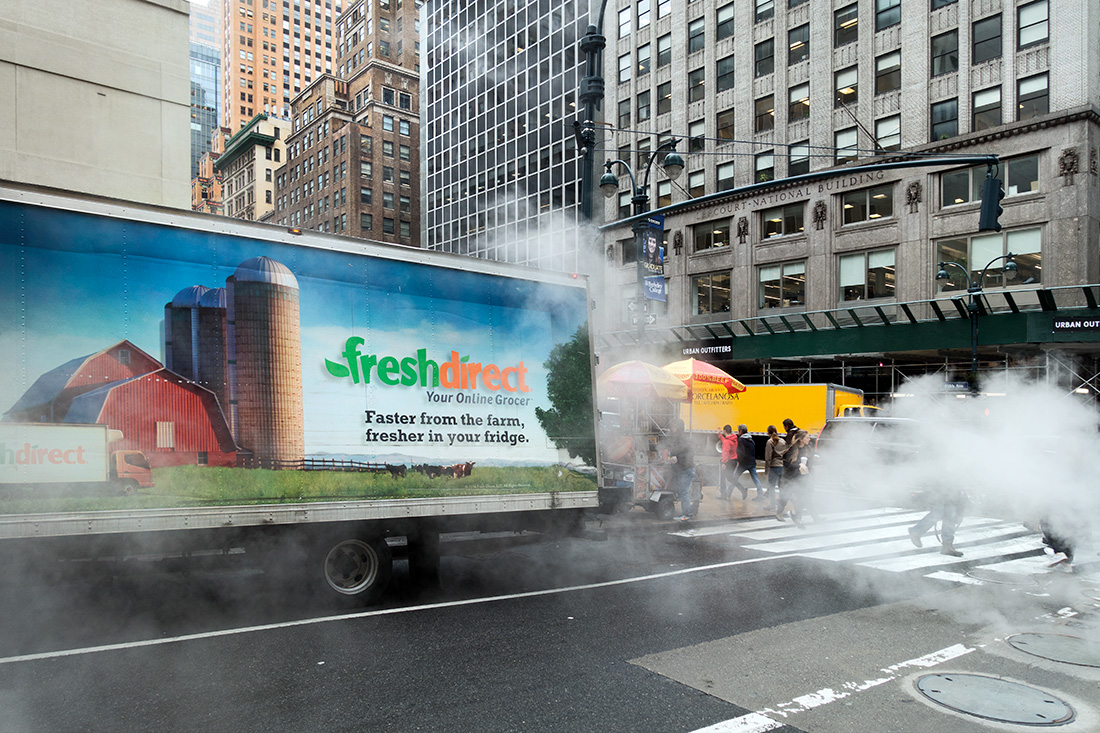
    West 43rd Street and Fifth Avenue — © Brian Rose

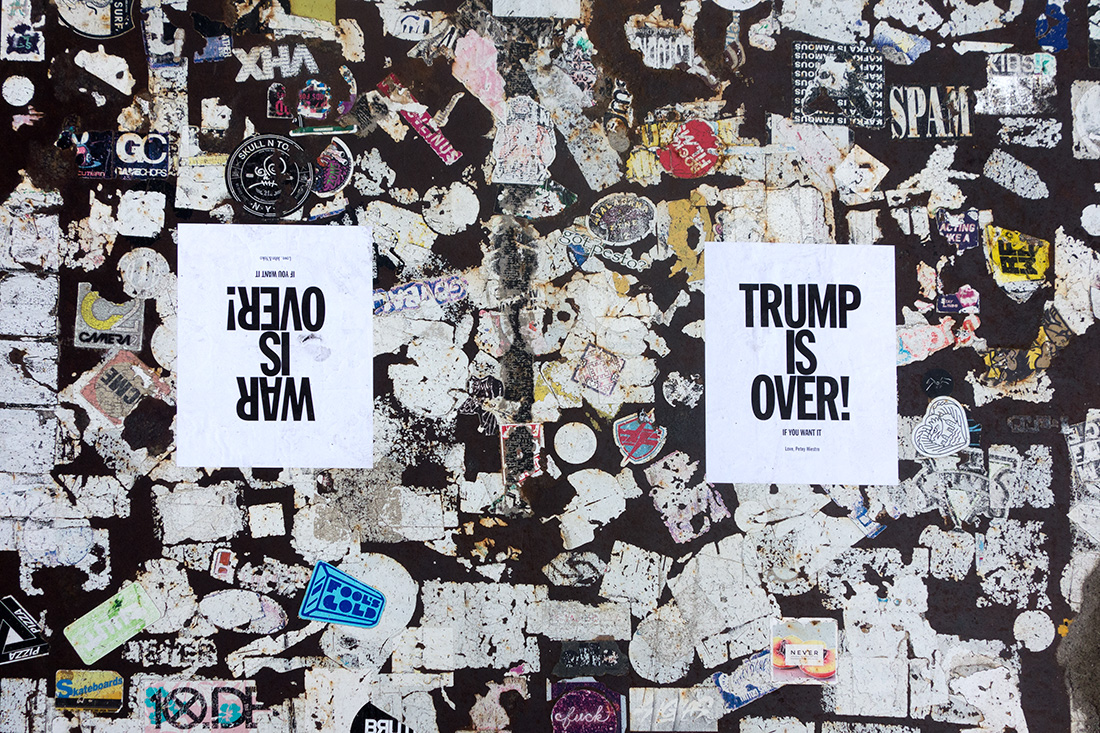
    Thunder and lightening, torrential rain, then gradual brightening. Walking through steam clouds after teaching my class at the International Center of Photography. Downtown, Stormy Daniels, Trump’s porn dalliance appeared in Federal court, along with Trump’s slimy mister fixit Michael Cohen. Hilarity ensued. Somehow, the Trump embarrassment comes to roost here in New York and has devolved into farce. .

  • New York/Williamsburg


    Williamsburg, Brooklyn — © Brian Rose

    Chaos reigns.

  • New York/Williamsburg


    Williamsburg, Brooklyn — © Brian Rose

    Entering dangerous territory. Trump is a cornered animal.

  • New York/Gravesend


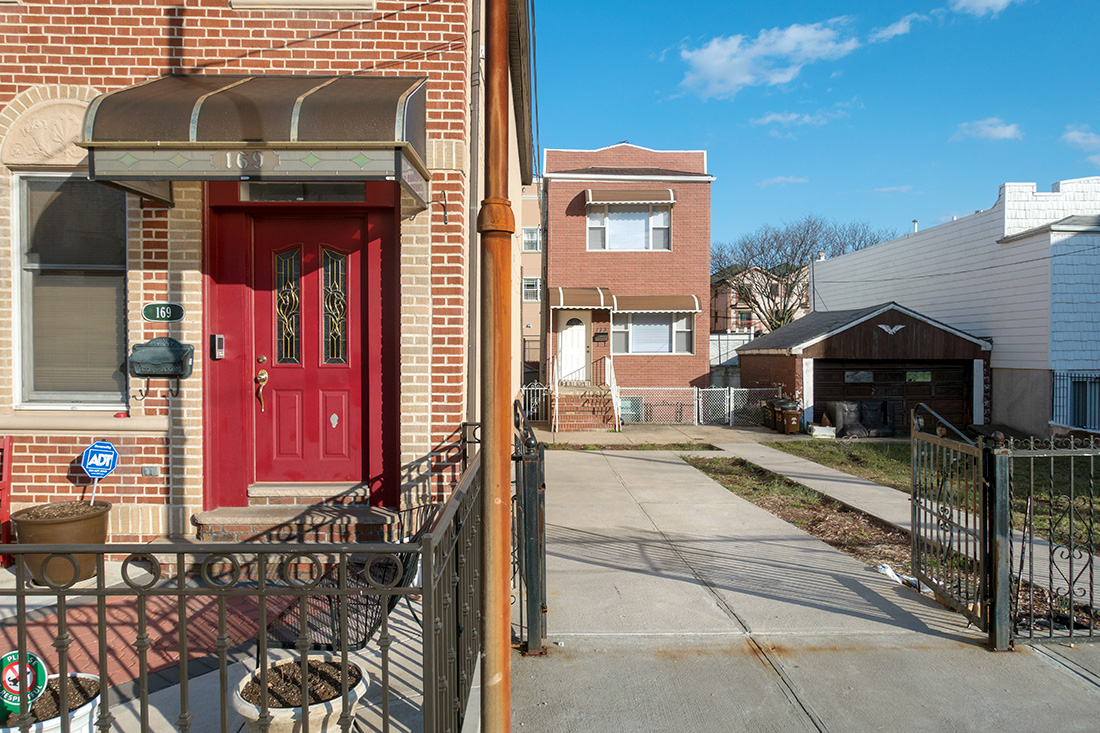
    Gravesend, Brooklyn — © Brian Rose

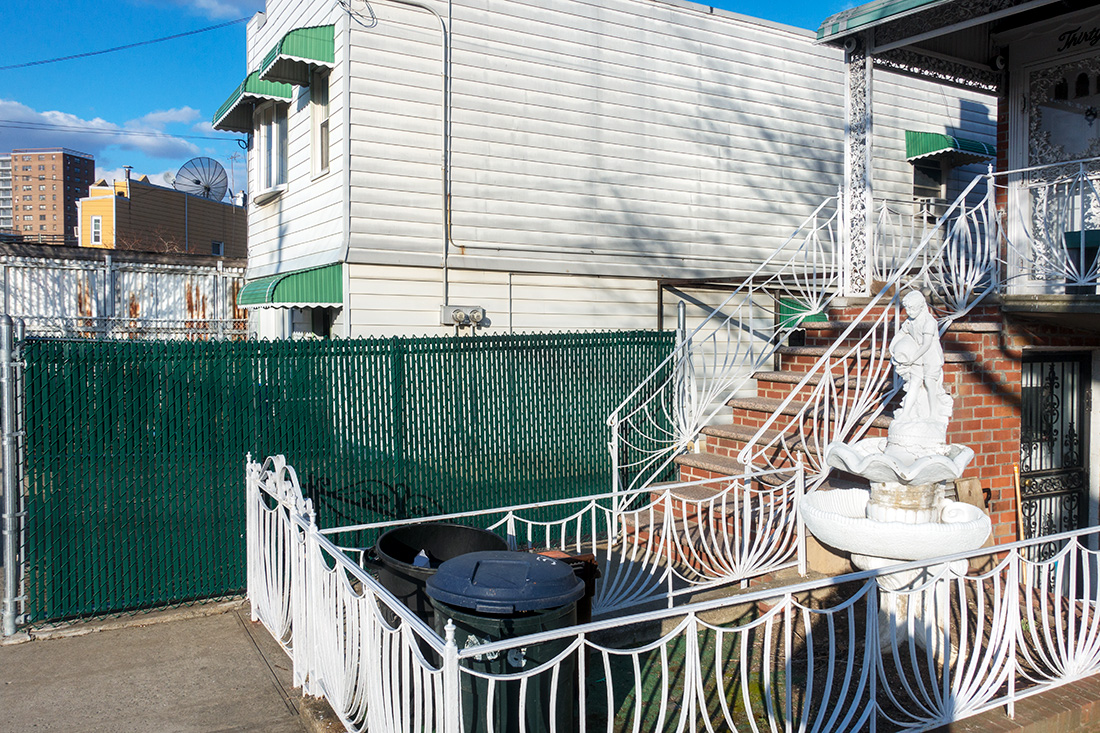
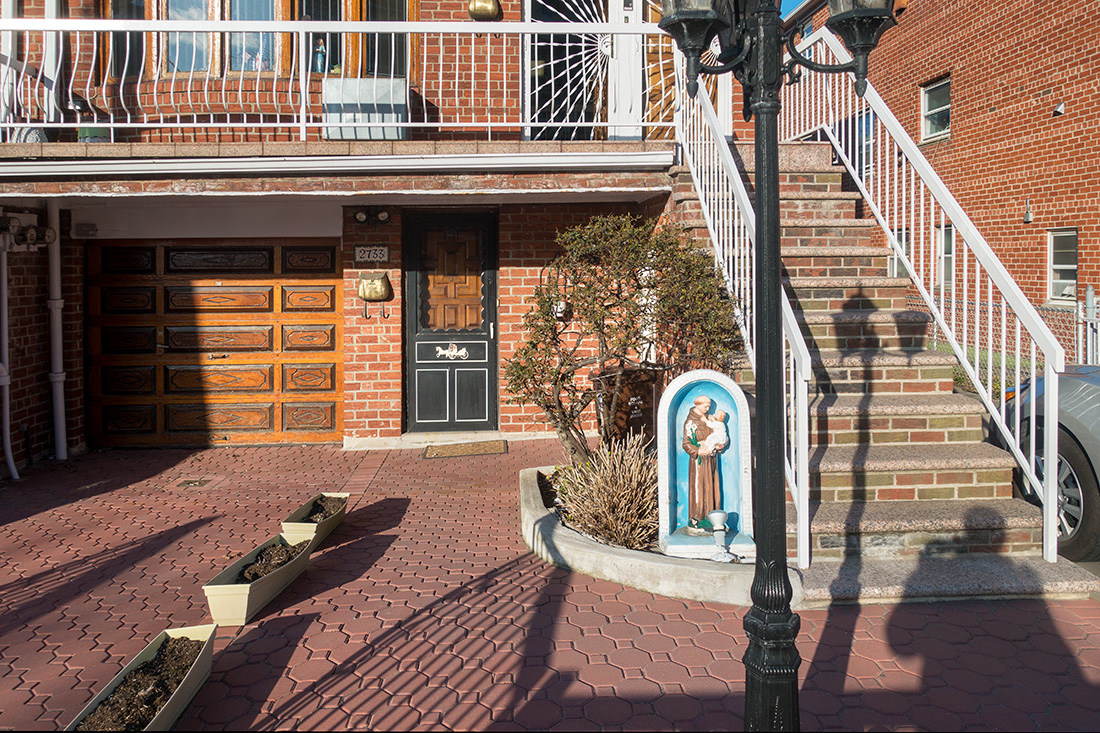
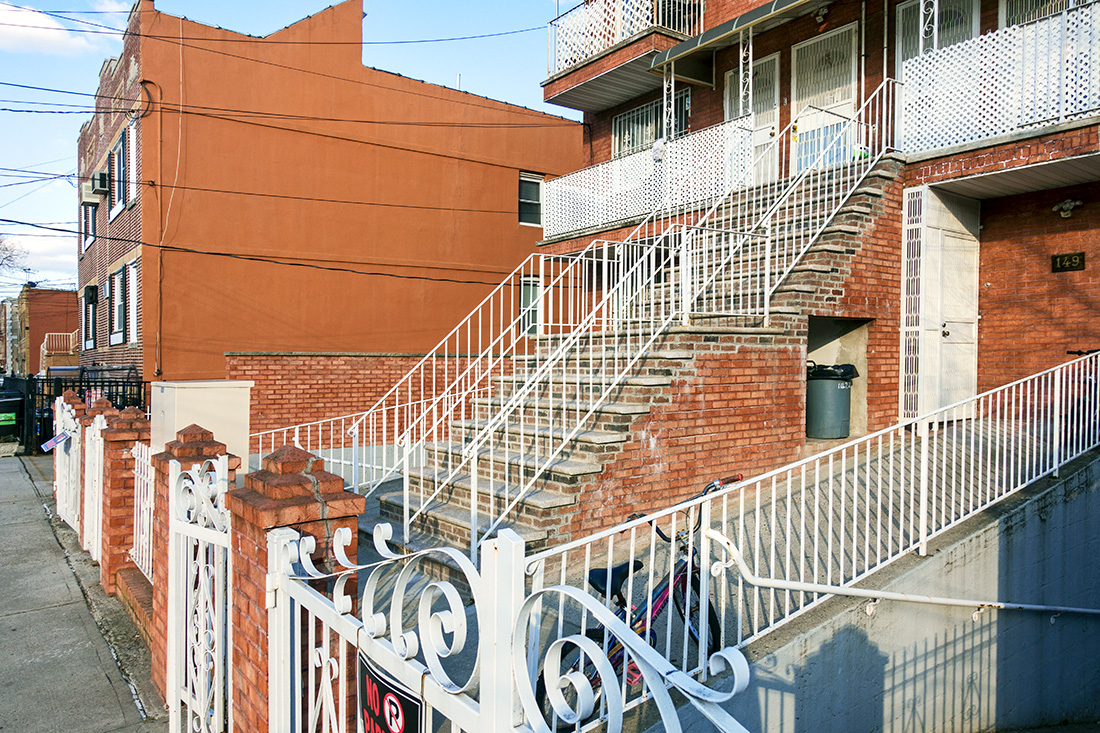
    New York City spreads out like an endless carpet across Long island comprising the boroughs of Queens and Brooklyn. I took the D train down to Gravesend just one stop before Coney Island on the Atlantic Ocean. The streets are lined with single family houses and duplexes fronted by elaborate decorative railings and religious icons.


    Gravesend, Brooklyn — © Brian Rose

    It is, apparently, a mostly white neighborhood, some Asians mixed in, A number of large housing projects loom off to the east, and consistent with the segregated nature of much of New York, are predominately black. We are in Trump country, almost for sure. The cheap ostentation, the gaudy appliqué, are clues. But maybe I’m wrong. I’m out of my element here. It’s a strange world with its own peculiar culture, its own aesthetic rules.


    Gravesend, Brooklyn — © Brian Rose

    Many of the houses are built up above garages, I’m guessing to stay above flood waters. This area lies only a few blocks from the Lower Bay of New York harbor,


    Gravesend, Brooklyn — © Brian Rose

    Some of the houses are set back behind driveways and are located in the middle of the block. Very odd.


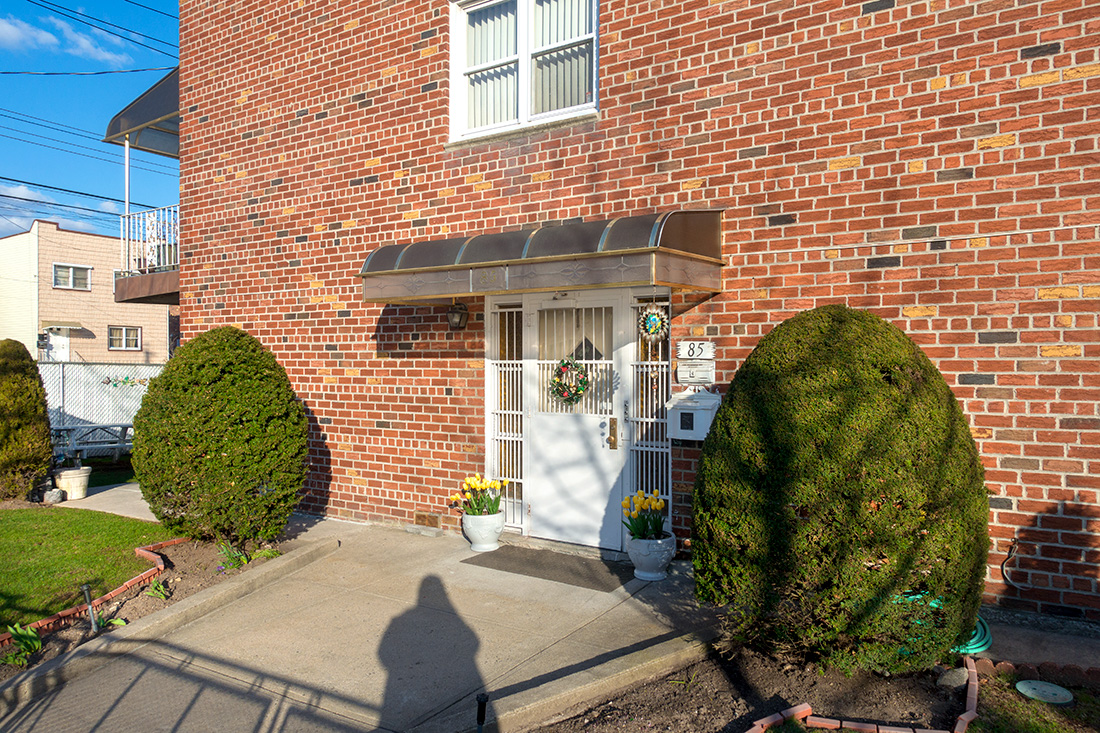
    Gravesend, Brooklyn — © Brian Rose

    Manicured shrubbery, and plastic tulips. This is an apartment building. Three buzzers and a well-fortified door. A wreath with a plastic bird’s nest, and to the right a wind chime. A bright turquoise hose hides behind the bush.


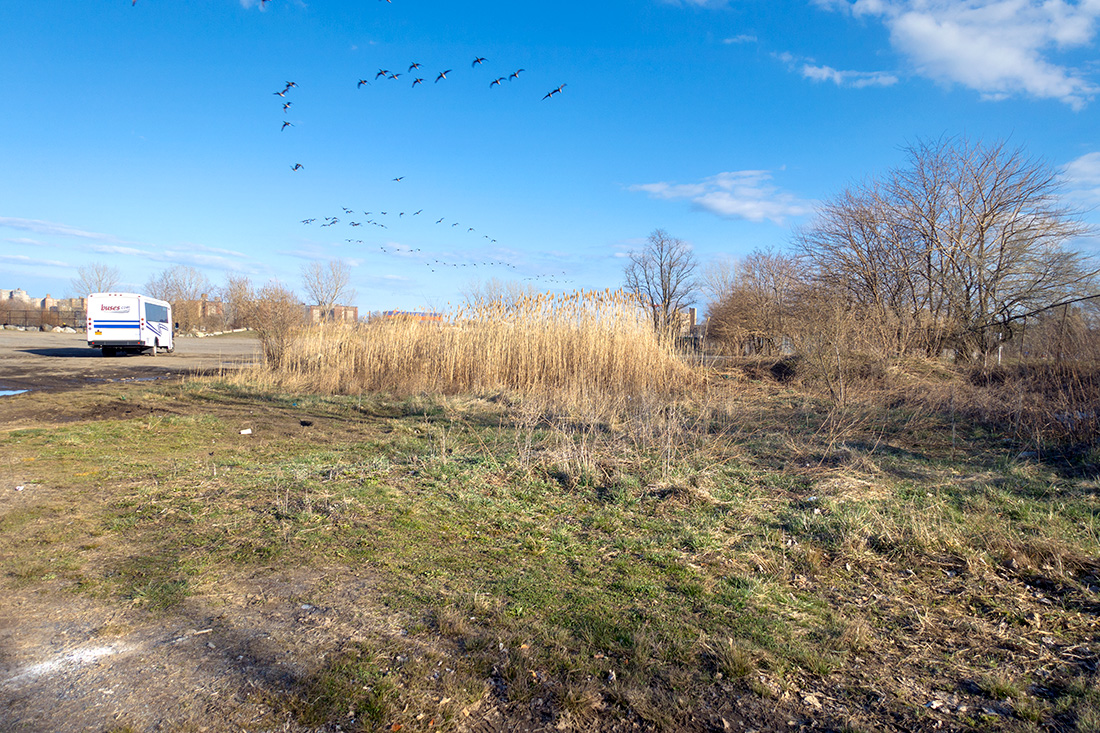
    Calvert Vaux Park — © Brian Rose

    I crossed over the Belt Parkway, which follows the contour of the shoreline in Brooklyn, and walked into Calvert Vaux Park. Vaux and Fredrick Law Olmsted were responsible for Central Park — Vaux designing many of the bridges and structures in the park. I have no idea why anyone would name this place for him.

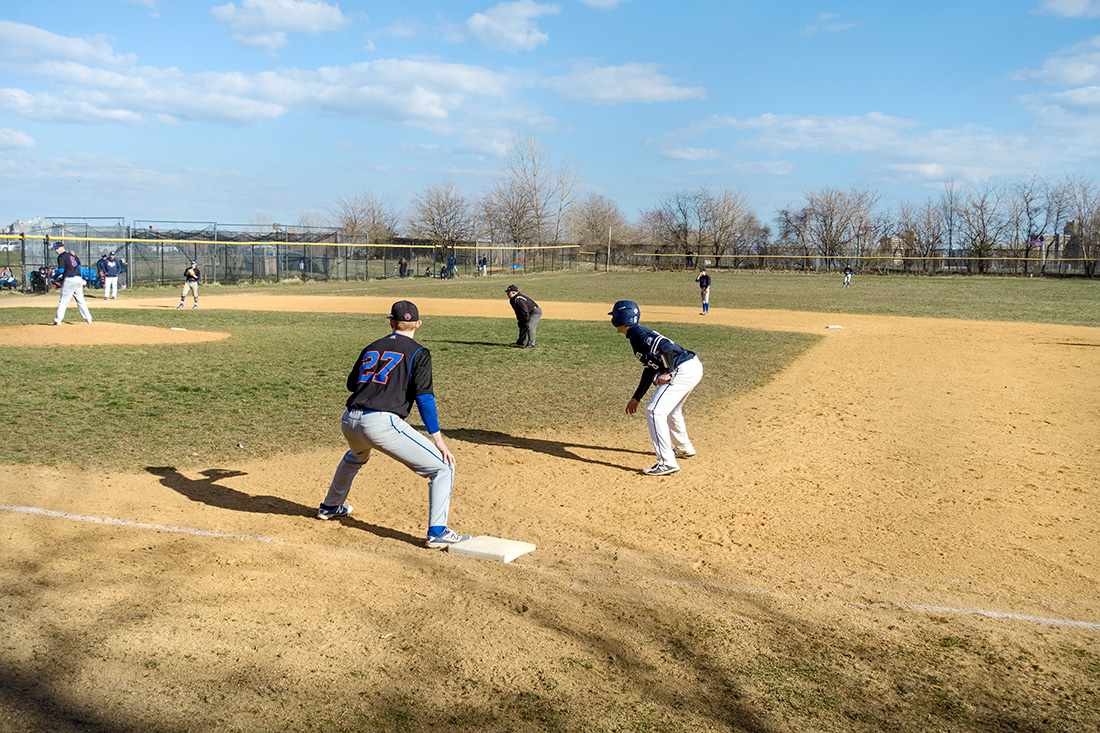
    Some of the park was under renovation, and there were two new turf soccer fields, in use by young players in uniforms. Further along I reached my destination,  a scruffy baseball field where my son was playing for his college team. Next to a parking lot reeds popped up out of the marshy ground, and a flock of ducks flew overhead.


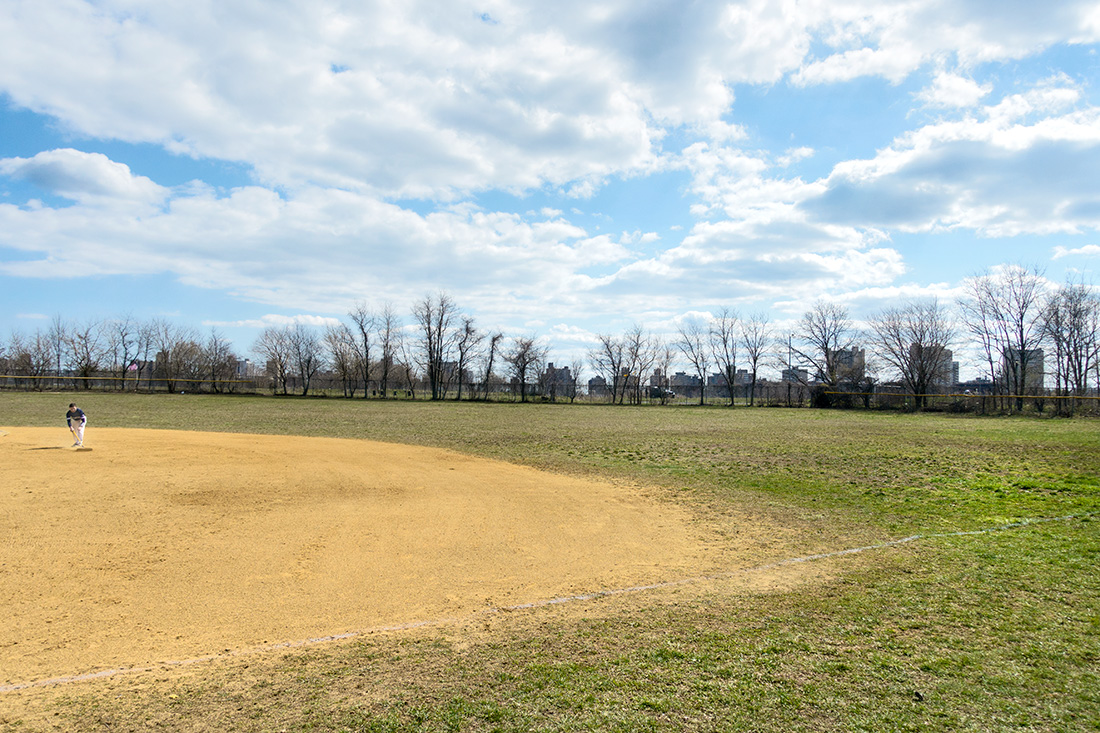
    Calvert Vaux Park — © Brian Rose

    A player raked the infield dirt before the game began. A scraggly line of trees stood just behind the outfield fence, and in the distance a line of buildings in Coney Island. It was 42 degrees and windy..


    Calvert Vaux Park — © Brian Rose

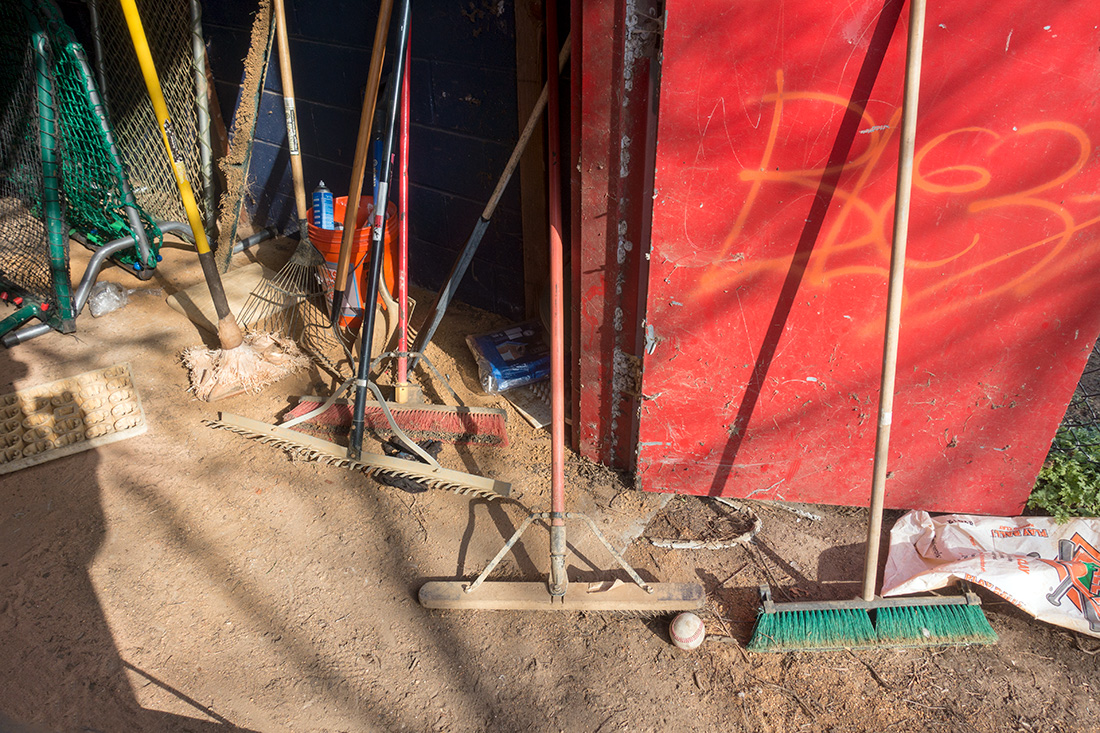
    There was almost no place to watch the game at this field. The dugouts blocked much of the view, and there were no bleachers. Spectators stood or sat on folding chairs huddled together behind chain link fencing, wherever there was a glimpse of the field. I followed a narrow path between the dugout and some fencing, ducking beneath tree branches to reach a small area adjacent to a shed containing various tools for raking and tamping down the infield. I plopped my chair down and could just see home home plate and the infield.


    Calvert Vaux Park — © Brian Rose

    Baseball in New York City on barely acceptable fields in bone chilling cold. My son’s team won both games of the doubleheader. He got on the team bus, and I trudged back to the D train.

  • New York/Astor Place


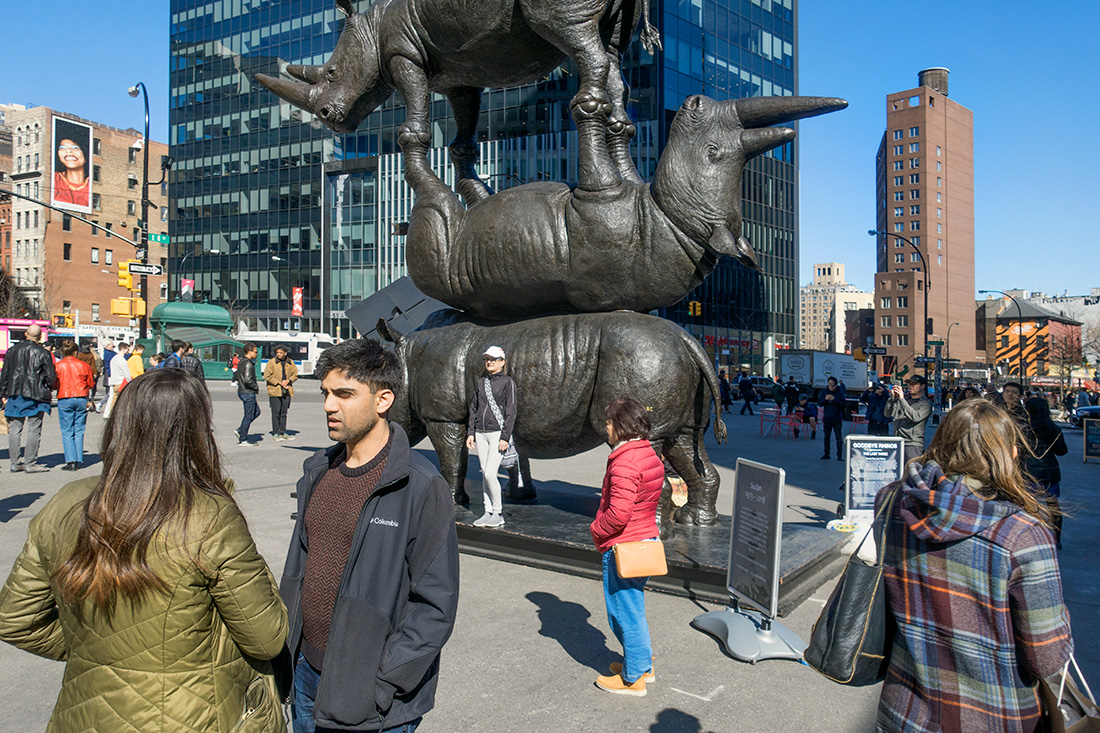
    Astor Place — © Brian Rose

    Last white rhinos.

  • New York/Cooper Union


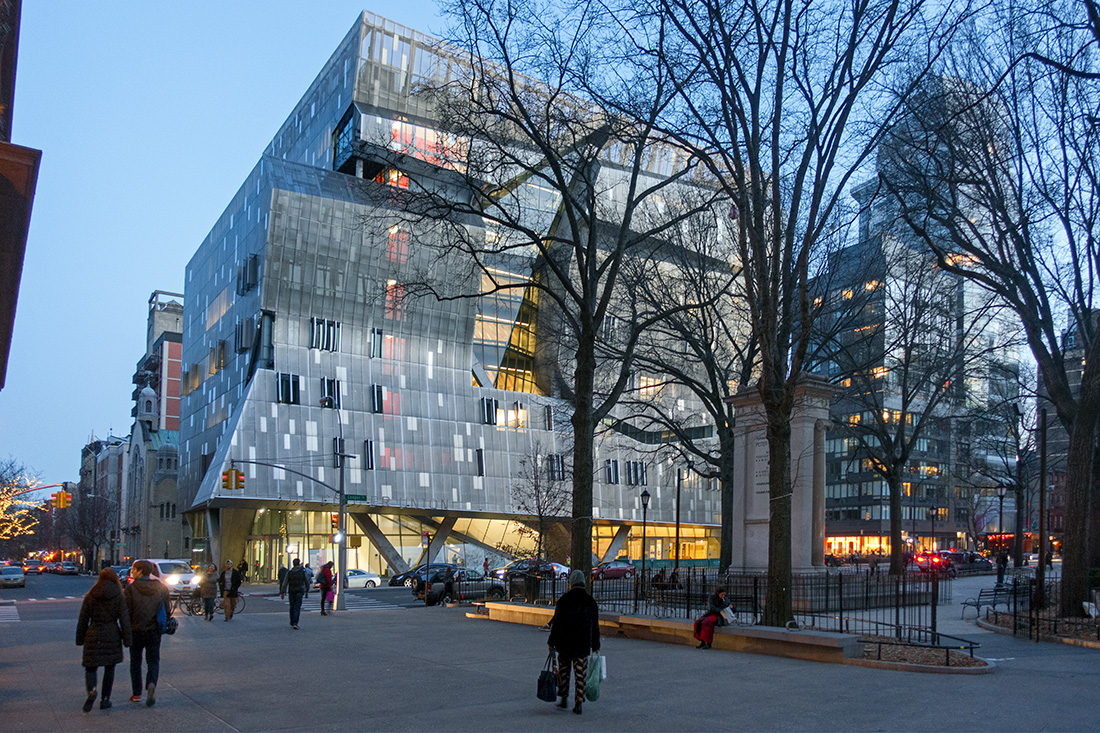
    41 Cooper Square, designed by Morphosis  —  © Brian Rose

    Adrian Jovanovic Hall — proposed

    Currently, the no name New Academic Building. A much maligned architectural wonder — largely because of its connection to Cooper’s financial problems — it was intended as a bold step into the future for the school.

    Turning things around at Cooper was a community effort, but it would not have happened without the leadership of Adrian Jovanovic. His tragic death last year stunned everyone, but his inspiration remains a powerful presence. The board of trustees has adopted a plan to return to free tuition within 10 years, and hope, albeit cautious, now prevails where once there was much anguish and despair.

    In that spirit, it does not diminish our individual and collective roles to say, that Adrian Jovanovic saved Cooper Union. He deserves recognition and honor.

  • New York/Trilogy


    Trade edition sold out. Limited Edition can be purchased here.

    An update on my New York trilogy of books. It has been six years since I began this self-publishing journey, first with Time and Space on the Lower East Side, then with Metamorphosis, Meatpacking District, and finally with WTC.

    Time and Space came about after being turned down by a couple of publishers. I felt strongly that this was a book that had an audience. I made a mockup using Blurb, the print-on-demand internet platform, and offered it for sale at St. Mark’s books, the legendary bookstore that, sadly, closed a couple of years ago. Surprisingly, I quickly sold out 10 copies of this rather expensive, digitally printed  paperback.

    I decided to find a way to self-publish, and ended up by chance talking to photographer Bill Diodato in a pizza restaurant after one of our sons’ Little League games. It turns out he was a photo book collector and was interested in working with me on my publishing project. I’m not sure that any of this would have happened without Bill’s know-how and enthusiasm. We used his imprint, Golden Section Publishers, for all three books.

    I employed Kickstarter to help fund Time and Space — and used it for the next two books as well. Kickstarter is crowd funding, of course, but it is also a way to build a base of support. Running a campaign is a tremendous amount of work, and nerve wracking as hell. I’m not sure I want to do another one any time soon.


    Trade edition can be purchased here. Limited edition sold out.

    After Time and Space came out, I discovered a box of negatives hiding on a shelf of my film and print archive. In it were several dozen pictures of the Meatpacking District that I made in 1985. I had developed the film but never printed any of it. So, I scanned the negatives and was confronted with a series of stark and powerful images of an utterly empty, ravishingly decrepit New York.

    Unlike the Lower East Side project, where I re-photographed the neighborhood, but only rarely restaged the original shots, these images of the Meatpacking District demanded a more conventional before/after approach. It was a lot more difficult making the after photographs than the befores. Those were made over several days in the dead of winter, crusty snow and slimy cobblestones underfoot. The new ones required repeated visits to the same locations, waiting for the light, for traffic and herds of people, and for photographic lightening to strike. It did a few times, fortunately.

    Trade and limited edition can be purchased here.

    Thanksgiving 2014 I was on a train going to Connecticut to a friend’s house, when lightening struck again. This time, a sudden realization, that I had in my archive, the basis for a book that chronicled the history of the World Trade Center. WTC was cobbled together from various projects, starting with color images I made as a student at Cooper Union in the 1970s. It ends with a series of photographs of One World Trade, the intended replacement for the destroyed Twin Towers. Like my other books, WTC takes in the changes that have transformed New York over several decades.  For me, it is a visual requiem, an homage to the resilience of this great city.

    I didn’t start out thinking there would be three books. It happened organically, building on the work I did years ago, tying up loose ends, retracing my steps as a young photographer. It’s hard to say what is considered success in this business — at this point I’ve sold close to 3,000 books — which is a lot considering that this was done without an established publisher or distributor. The trade edition of Time and Space is sold out, and there are only 100 copies of Metamorphosis remaining. As of this week, the limited edition of Metamorphosis has sold out.

    Would I have done three books in six years with a real publisher? Not a chance. Would I have made more money with a real publisher. Certainly not. Am I ready to do another book on my own? Maybe, maybe not. After all the blood sweat and tears that went into my New York trilogy, it would be nice to work next time with a supportive publisher.

    To all who have bought one of my books — thank you!
  • New York/Baseball


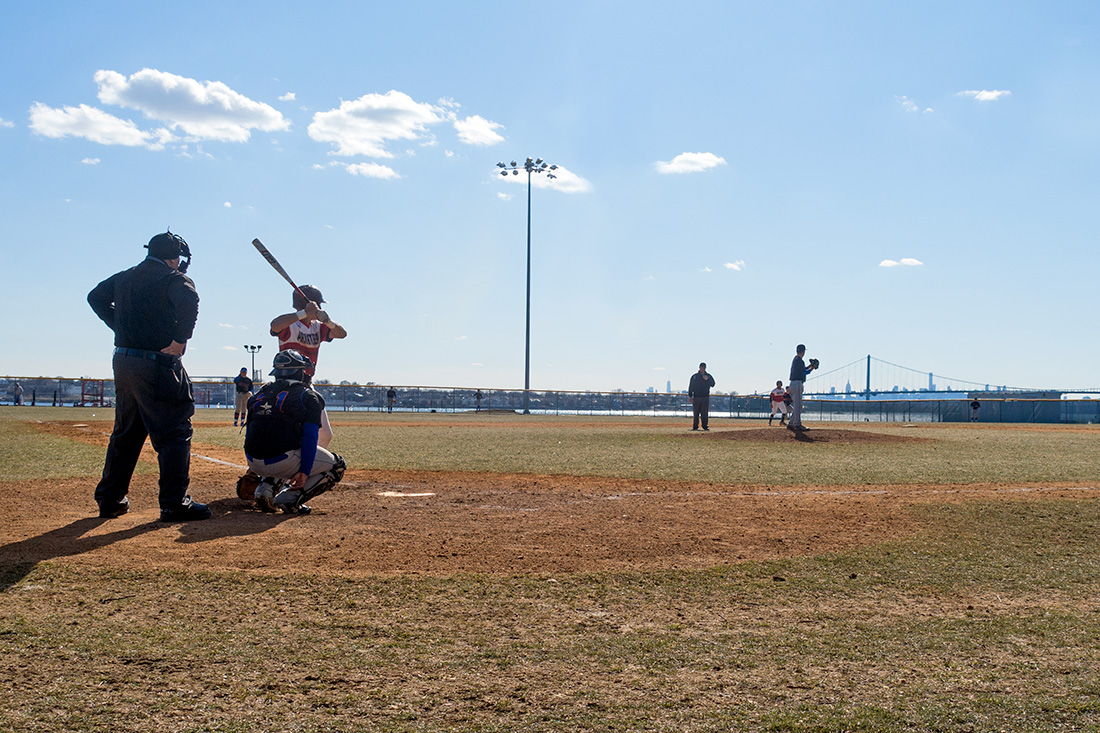
    SUNY Maritime campus, The Bronx — © Brian Rose

    It’s opening day for the New York Mets tomorrow — Citi Field is out there somewhere to the left of the umpire standing near second base. That’s the Whitestone Bridge in the distance, and beyond that you can just make out the skyscrapers of Manhattan. We’re in the Bronx at Maritime College. And while the Yankees will be making their debut in the Bronx next week, my son, who plays for SUNY Purchase, has been going at it since late February.

    Less than a week ago, the field was covered in snow, and there are piles of the stuff out of view to the left. It’s 42 degrees with a stiff breeze. About 75 of us, mostly parents bundled in full winter gear, sit on folding camp chairs or metal bleacher seats. The grass is brownish green and the infield clay is  damp and lumpy, but it’s a lot better than the high school fields my son played on last year.

    Baseball in New York City. Over the PA they’re playing “Thank God I’m a Country Boy.” And then, finally, Frankie: “If I can make it there, I’ll make it anywhere, it’s up to you, New York, New York.

  • New York/Williamsburg


    Kent Avenue, Williamsburg, Brooklyn — © Brian Rose

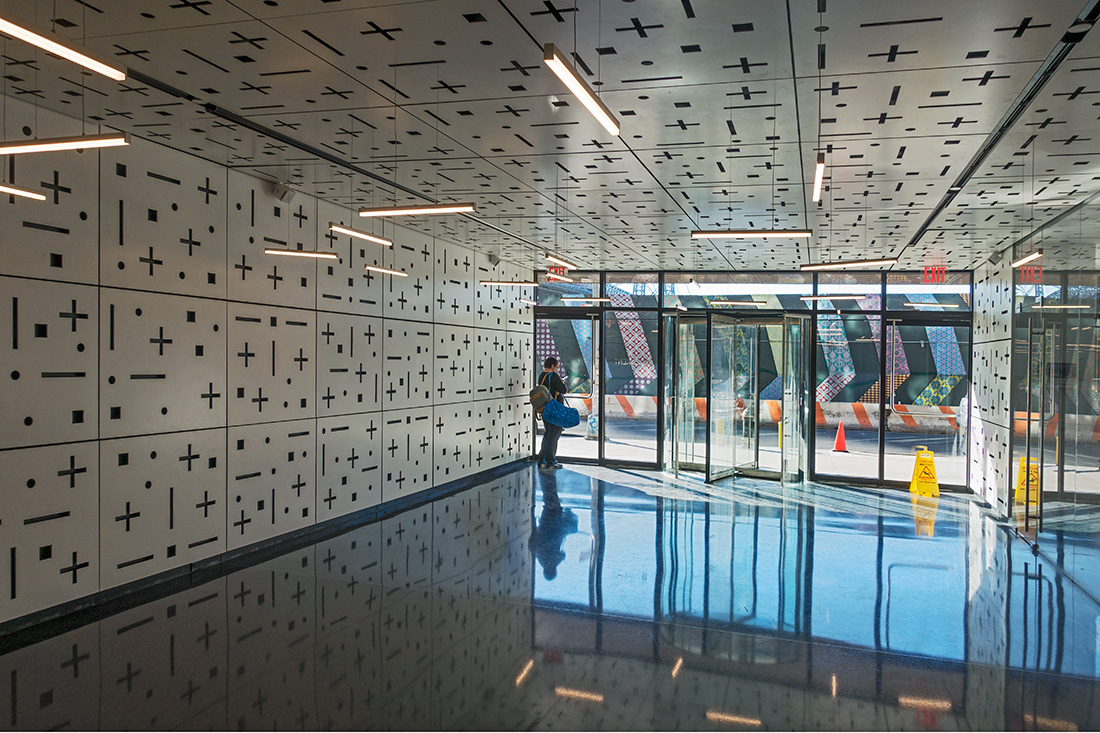
    Walked by the new building at 325 Kent Avenue designed by SHoP, and took a peak at the lobby.

    Plusses and minuses. There are plusses and minuses to everything. I’ve been following the story of Cambridge Analytica for at least a year — and only now the full story is spilling out. The collusion with Facebook to manipulate the 2016 election and put Trump in the White House is disturbing to say the least.

    I have never been a fan of FB for any number of reasons. i hate the look and feel of it. But most of those reasons are trivial against the benefit of having  access to a community of friends — real friends — not just Facebook friends. Most important to me was the way Cooper Union alumni came together on FB to debate the issues confronting the school, and to ultimately prevail in getting things back on the track to free tuition.

    But FB has shown itself to be a bad actor — an egregiously bad actor.

    Here is a useful article about deleting one’s account or other less drastic options. I’m waiting to see how things shake out in the near term. I’m leaning towards saying good bye. I’m weighing the plusses and minuses.

  • New York/Armory Show


    J
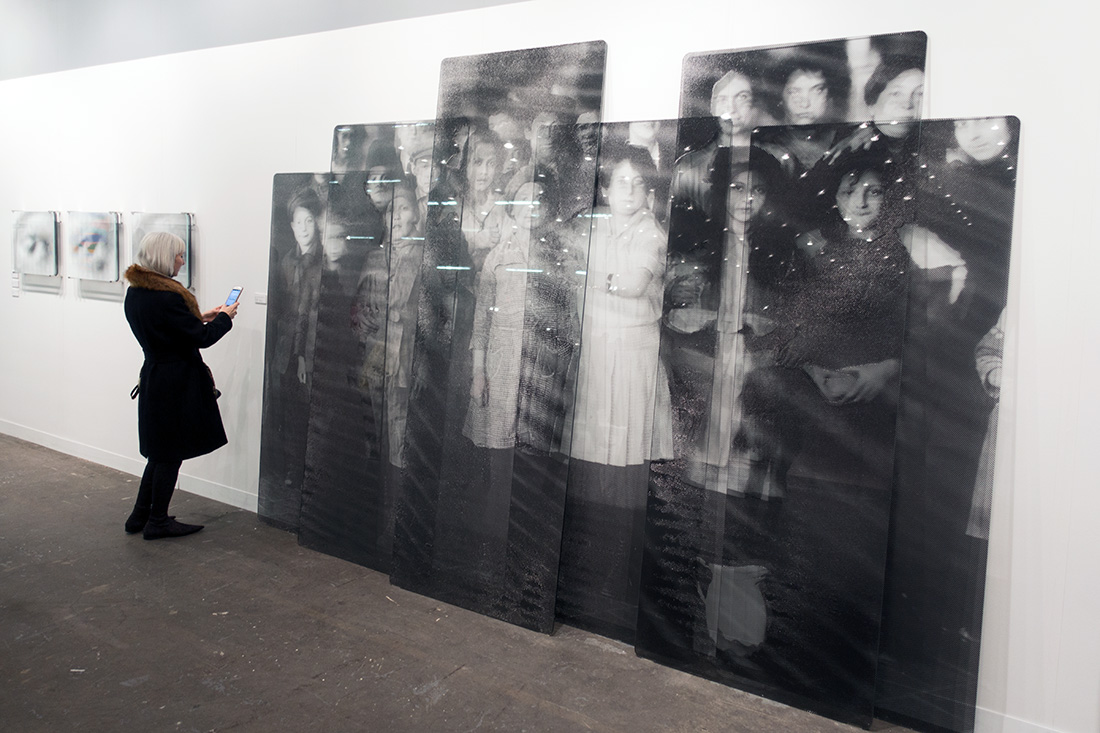
    R at the Armory Show — © Brian Rose

    We are living in perilous times. A raving maniac sits in the White House — people are being rounded up and deported — environmental regulations are being rolled back — and the Russians are blackmailing the President of the United States.

    You would not know any of that from the Armory Show in New York. Except for JR whose powerful images of immigrants from an earlier time pierce the mood of tax break excess.


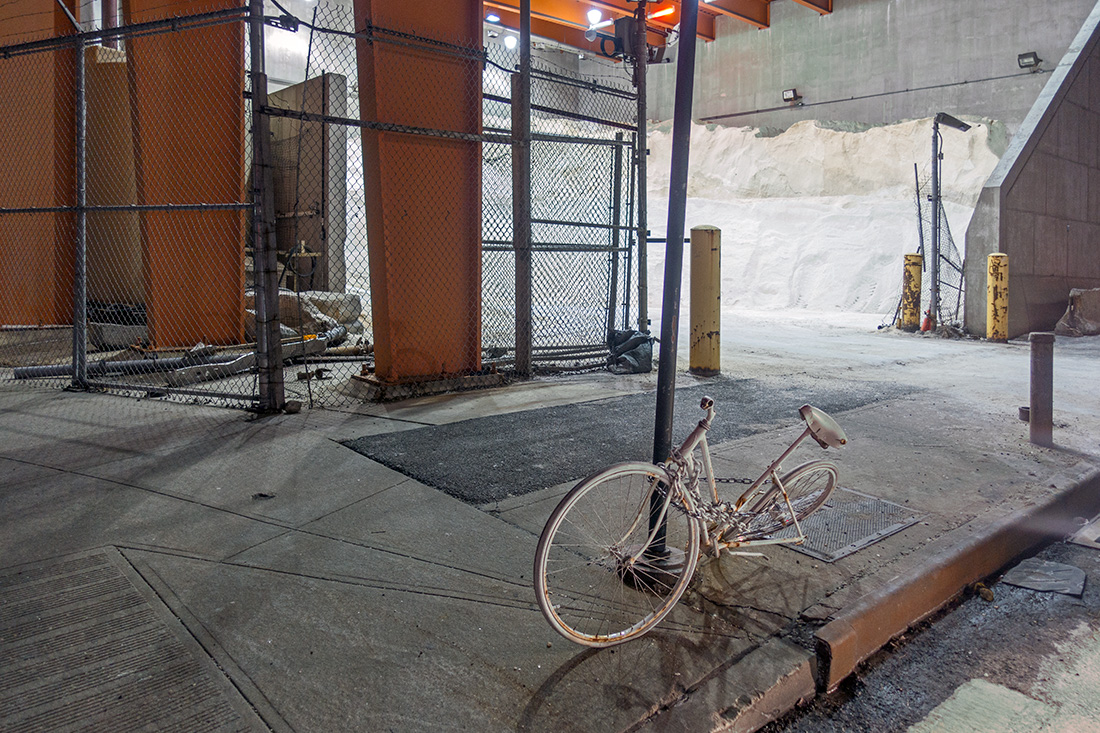
    West 54th Street — © Brian Rose

    Across the street from the Armory Show. White bike and salt.


    West 54th Street — © Brian Rose

    Five minutes later, on the next block.