Category: Photographers/Photography

  • New York/Lower East Side

    Expecting Time and Space on the Lower East Side to arrive on or about May 16!

    Launch party on Maya 23rd at Clic Gallery and Bookstore. I will be sending invitations and making announcements shortly.

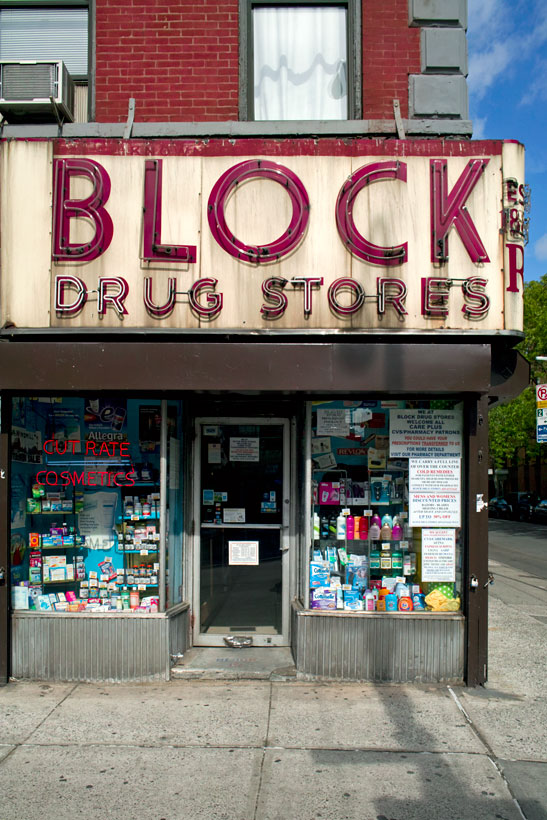
    Second Avenue and 6th Street — © Brian Rose

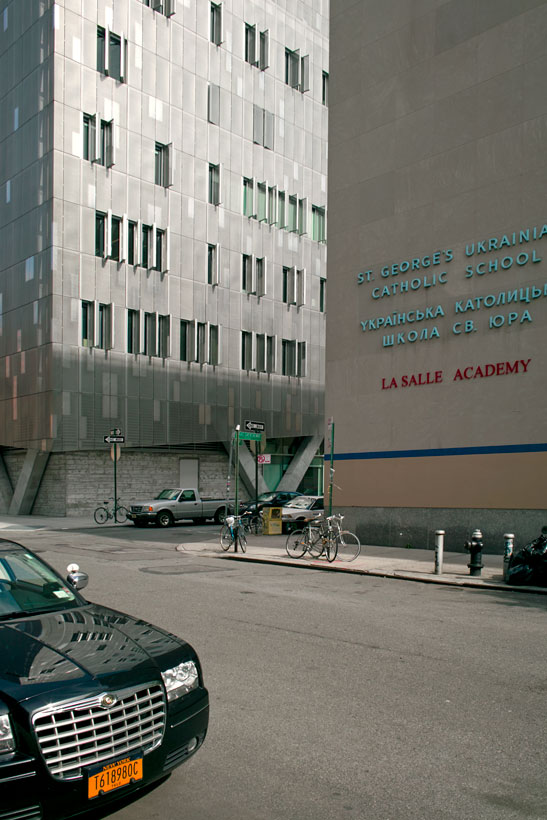
    East 6th Street between Cooper Square and Second Avenue — © Brian Rose

  • New York/Lower East Side

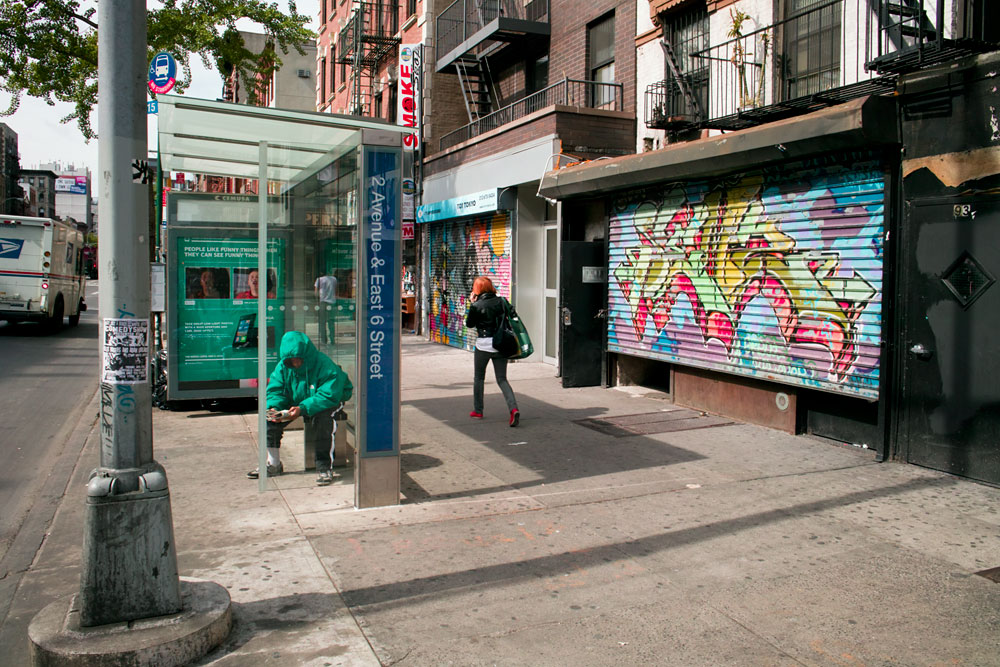
    Second Avenue — © Brian Rose

    Without comment.

  • New York/Midtown

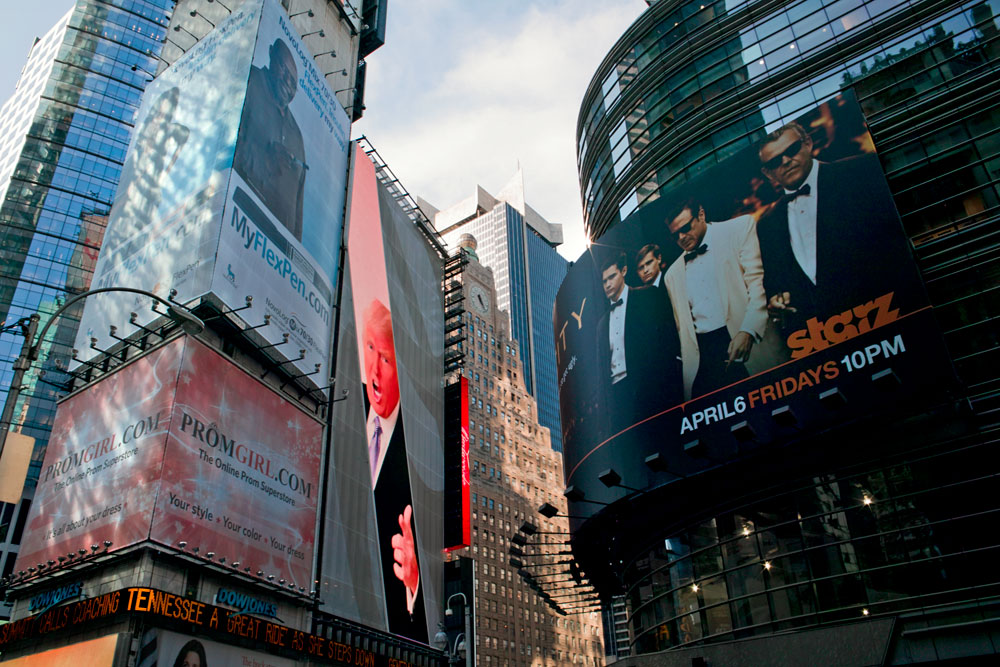
    Times Square — © Brian Rose

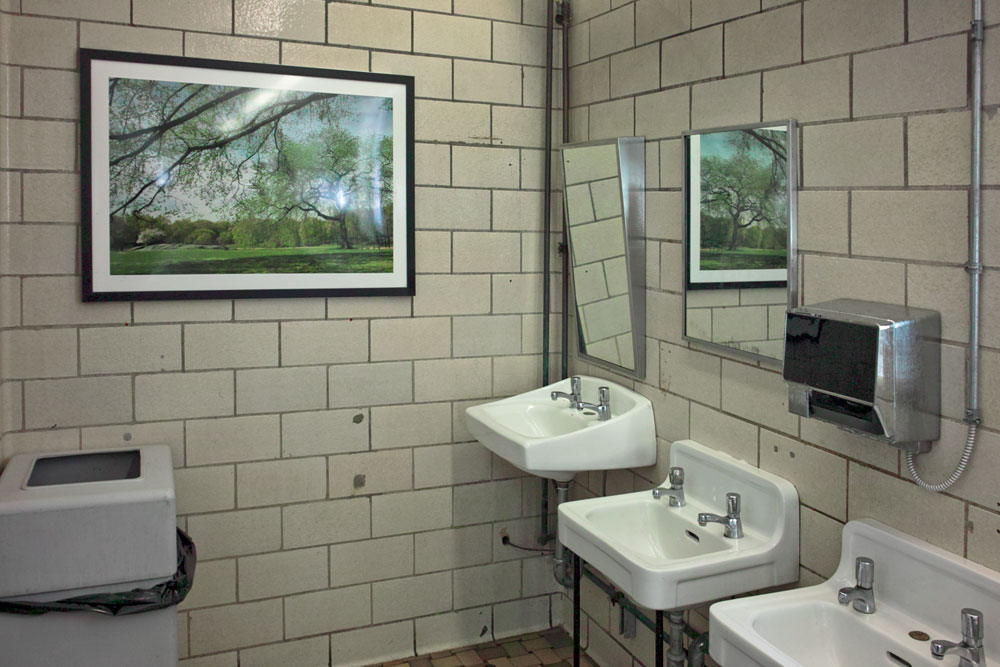
    Central Park — © Brian Rose

    Without comment.

  • New York/Lower East Side

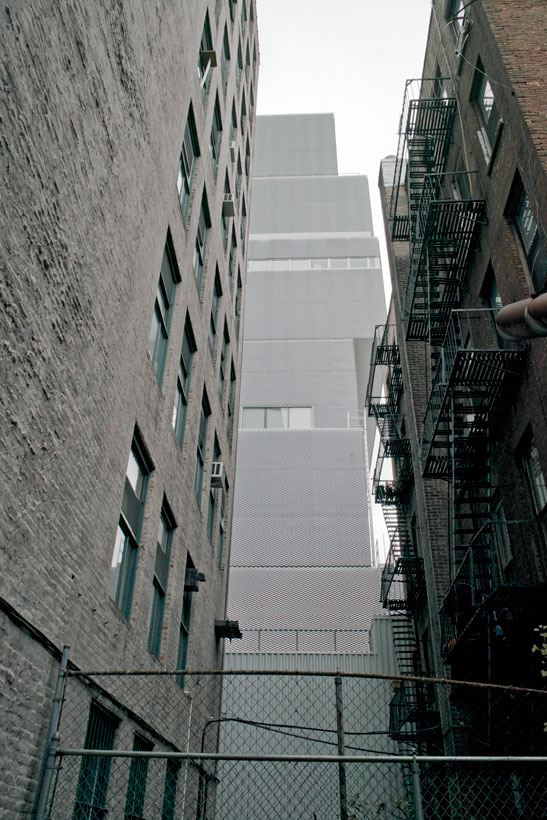
    The New Museum from Reina’s Garden — © Brian Rose

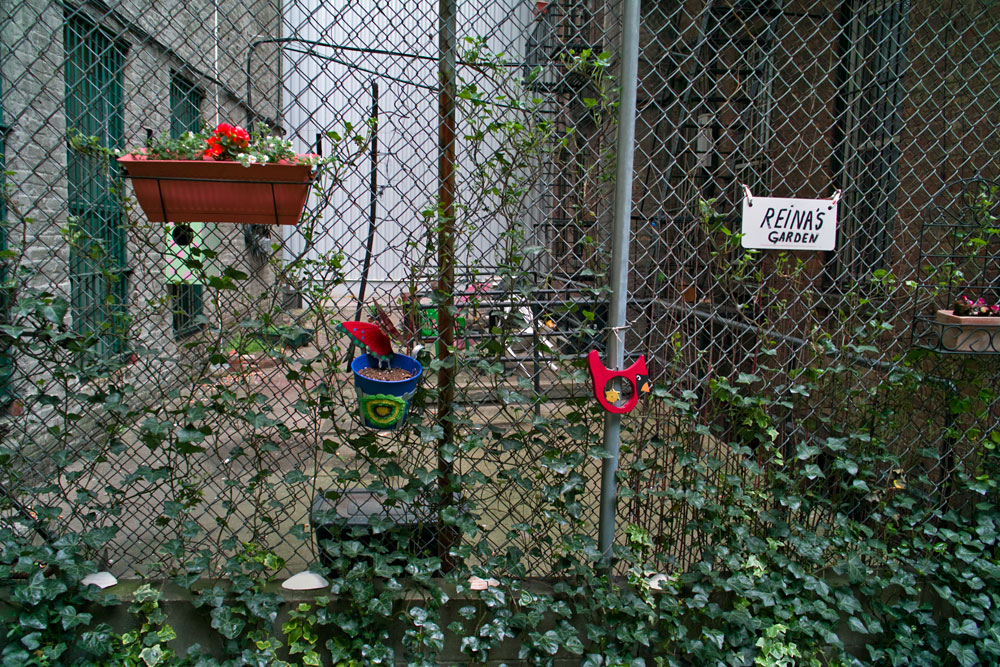
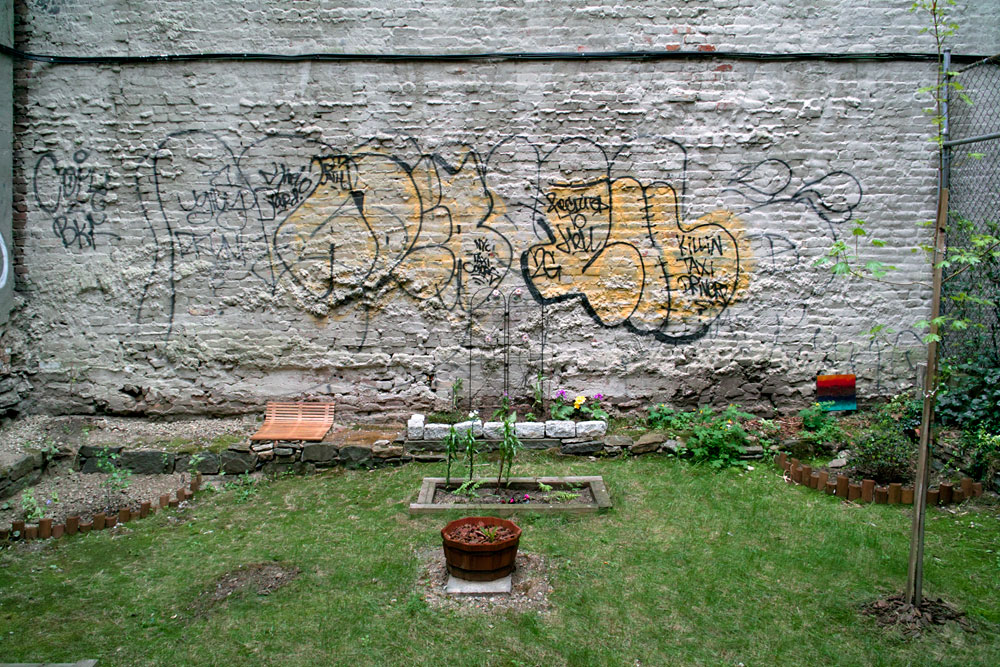
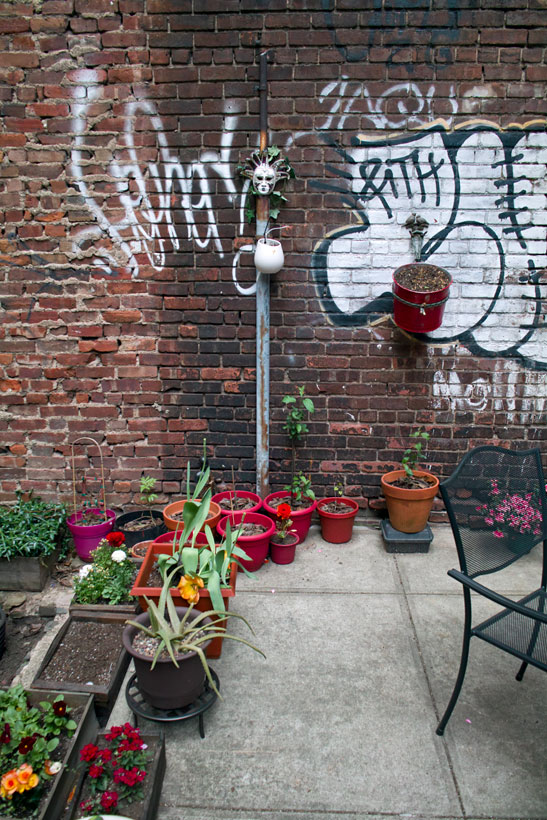
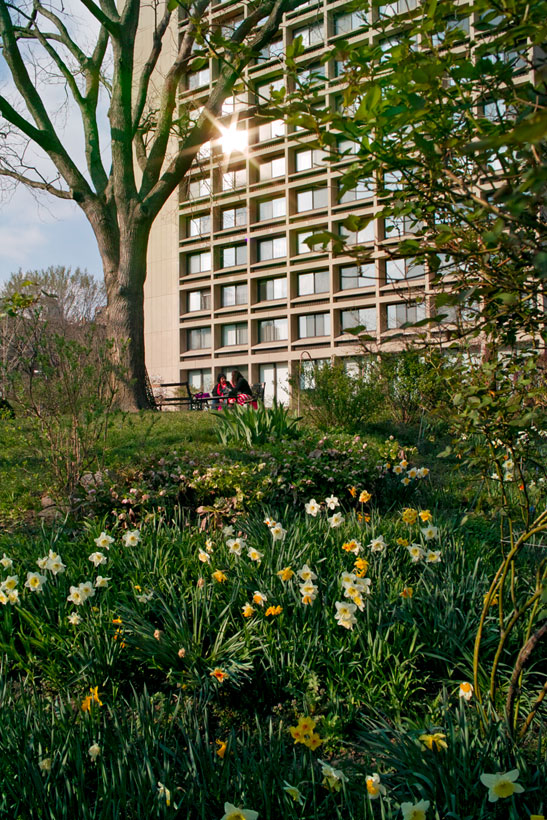
    Behind my building on Stanton Street just off the Bowery is Reina’s Garden. The garden was once occupied by a rear tenement–two structures occupied the 25×100 foot lot with a narrow courtyard in between. In the 19th and early 20th century the courtyard would have held privies, trash containers, coal bins, etc. The rear building was torn down years ago, and the front building stood abandoned when in 1992 the city decided to rehabilitate it. When I moved into the newly fixed-up building, the rear yard was a lush green carpet of sod. Unfortunately, the contractor hadn’t prepared the ground under the sod–no topsoil–only the rubble of the old rear tenement lay underneath. The grass died, and for at least a decade the yard was brick-strewn mess.

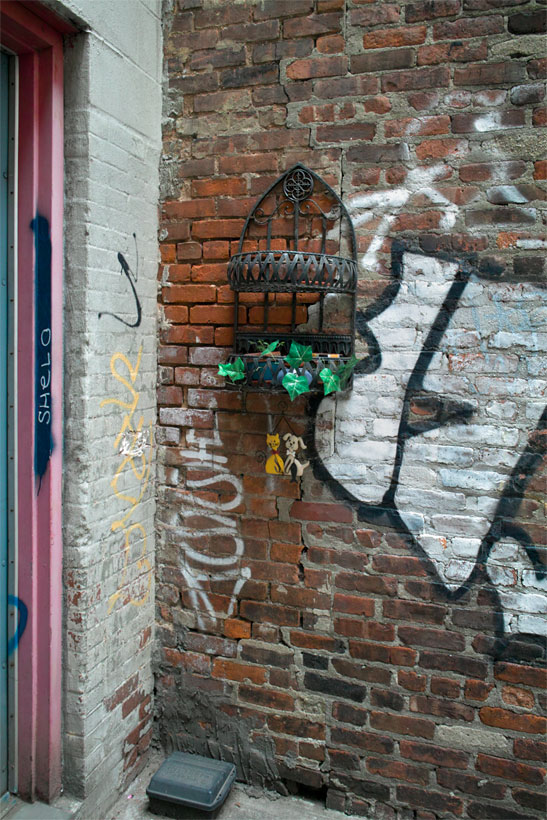
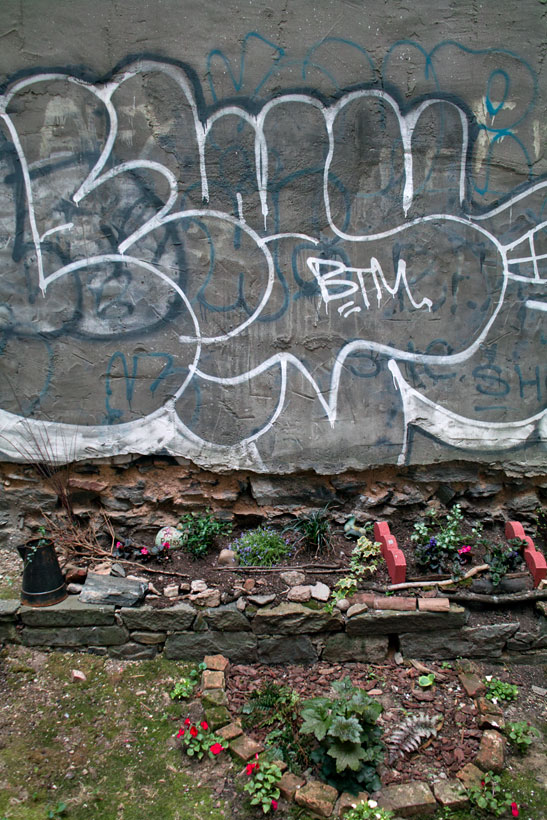
    A few years ago a neighbor took it upon herself to maintain this 25×25 patch of New York City real estate. It’s a pretty modest affair as gardens go, but I think it is beautiful. Not much sunlight makes it into Reina’s Garden. The silvery New Museum towers over it to the west, and the wall behind is formed by 195 Chrystie, an eight story loft building filled with artists and small companies, which once housed a fledgling band, The Talking Heads. In Reina’s Garden the chain link and brick, the graffiti and the ivy, conspire to form their own kind of sublime music.

    Reina’s Garden — © Brian Rose

    Reina’s Garden — © Brian Rose

    Reina’s Garden — © Brian Rose

    Reina’s Garden — © Brian Rose

    Reina’s Garden — © Brian Rose

  • New York/Amsterdam

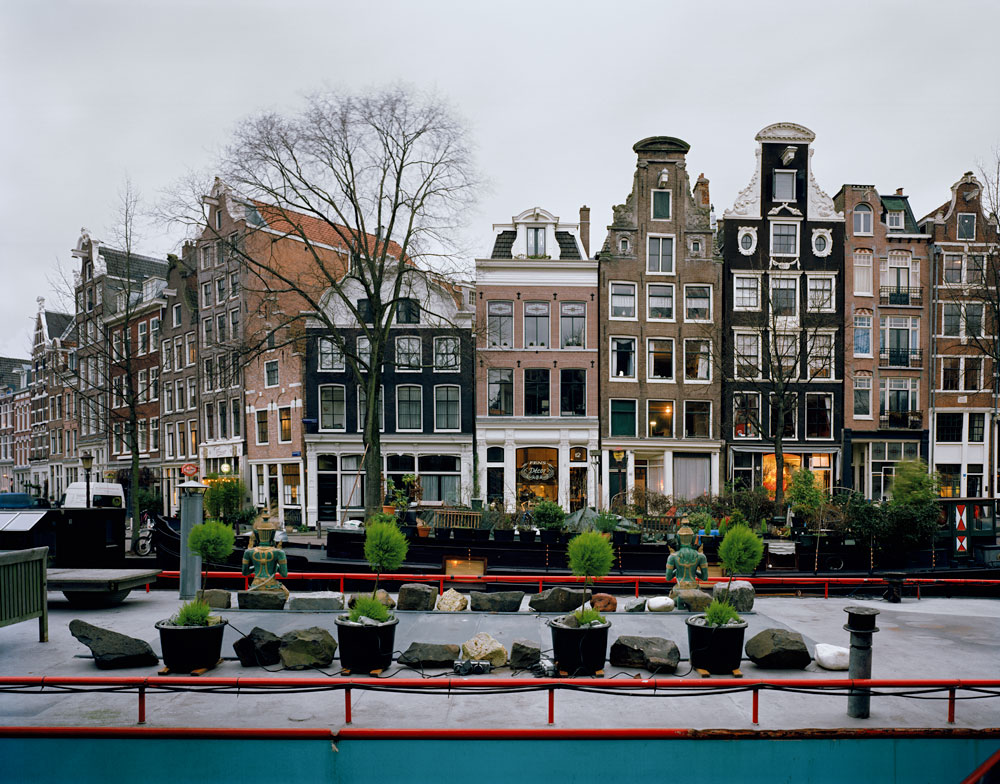
    Prinsengracht near the Noodermarkt, Amsterdam (4×5 film) — © Brian Rose

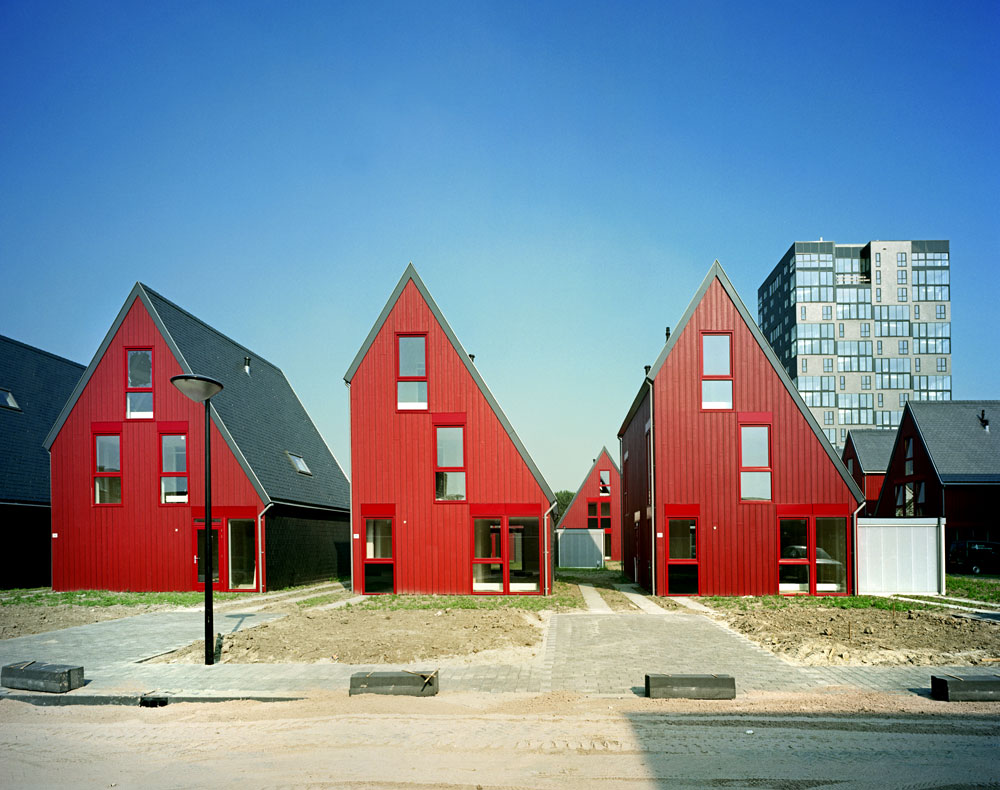
    Almere, a suburb of Amsterdam (4×5 film) — © Brian Rose

    I’ve been doing some renovation of my website portfolio. The two pictures above are from a major upgrade of my Amsterdam on Edge series.

    From the accompanying text:

    For 15 years I lived in the center of Amsterdam, the famous urban village of canals and bicycles. It was a great life style environment, but it did not interest me much as a subject for photography. What could I add or subtract from this idyll of urban seamlessness? Even the red light district appeared tame, and cozily contained. But I eventually found rougher edges of the city along stretches of the once bustling waterfront, and I discovered the new neighborhoods on the periphery, the playgrounds of Dutch planners and architects. This was clearly where the action was.

    The first photograph was taken in the old canal district of Amsterdam and sets the stage for an exploration of the city that few visitors ever see. American tourists–especially–have a grossly distorted image of the city. It is both better and worse than the clichéd image most hold onto–infinitely more interesting and complex. Forget the drugs and prostitution meme. It’s tiresome, and blinds one to the what is really going on.

    The second photo was taken in Almere, a new town in the polder, drained land, on the outskirts of Amsterdam. Although the landscape of the Netherlands is notably horizontal, punctuated by windmills and church spires, urban development tends to be vertical. Not tall as in skyscrapers, but narrow lots and skinny buildings standing shoulder to shoulder with exaggeratedly steep stairs, even in the newest houses. The Netherlands has plenty of planned sprawl, but it is denser than the typical American suburb. And although you see more historic architectural references these days, many of these communities flaunt their cutting edge design, theme parks of the new, as it were, even as they fulfill the most plebeian function as middle class shelter.

    Amsterdam on Edge

  • New York/Lower East Side

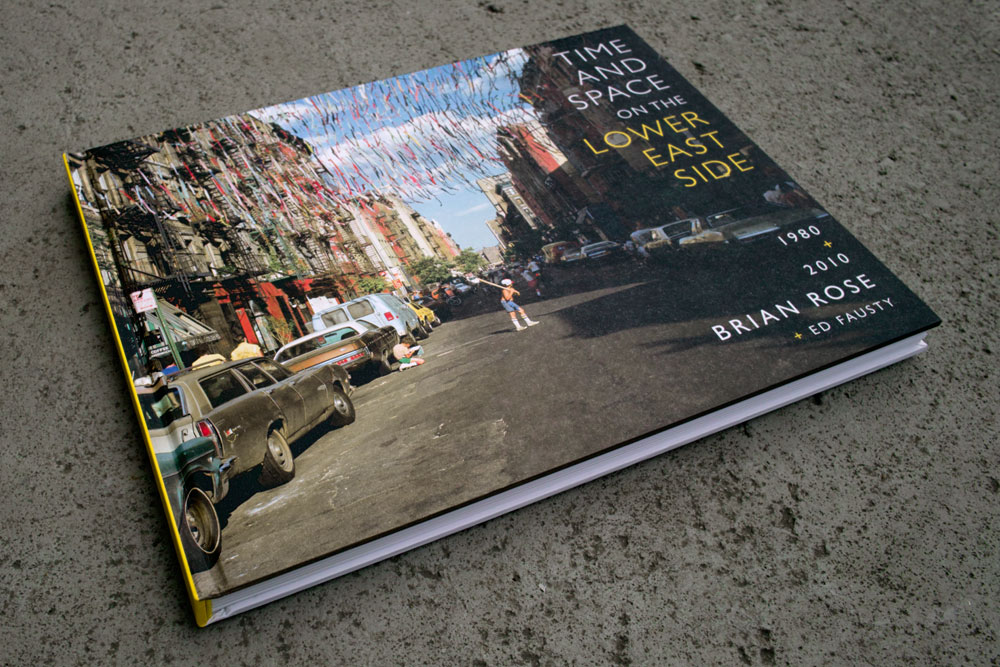
    Time and Space on the Lower East Side — © Brian Rose

    Update on the book. The printing and binding are complete, and I am waiting–impatiently–for a container to arrive from Germany, where the book was printed. I have a handful of copies that I am taking around and showing. I know that my Kickstarter backers are eager to get their books. I’ve got a half dozen bookstores lined up to sell books, and it will also be available on my website and from photo-eye. And I am working on another possible slide talk.

    Book launch party May 23 at Clic Gallery in lower Manhattan! Details soon.


  • New York/Photographer’s Rights

    Videographer being arrested for recording Suffolk County, New York, police activity.

    Returning to a recurring topic on this blog, the increasing harassment of photographers by police and private security. This comes by way of PDN, the Photo District News, and shows an egregious, but all too frequent, example of police ignorance of the constitution (in spite of this officer’s claim to 30 years of experience). I am putting this up  because it is important that people understand that this kind of thing is going on routinely. Usually, the result is the photographer backing off to avoid arrest–a good idea most of the time–but a de facto trampling of one’s rights. Every time I go out with my camera–especially the view camera–I worry that I will find myself in such a confrontation with authority.

    Despite the charges being dismissed–which is what usually happens when these things go to court–the videographer has chosen to sue for violation of his constitutional rights, and the New York Civil Liberties Union is supporting his case. Please consider, as I do, financially supporting the NYCLU or the ACLU.

  • New York/Greenwich Village

    Houston Street — © Brian Rose

    Easter in New York.

  • New York/WTC

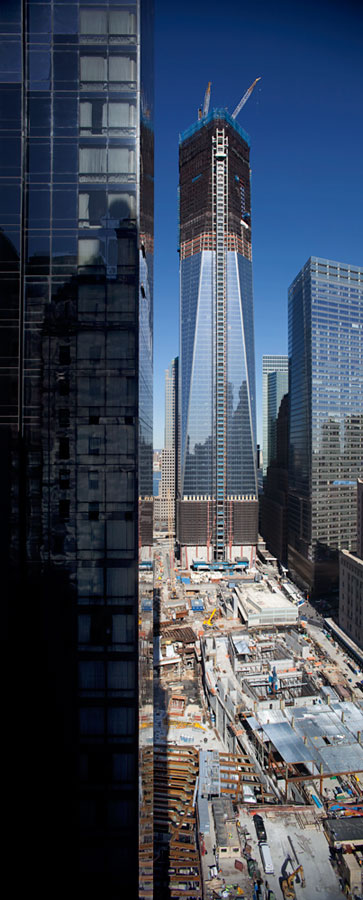
    One World Trade Center — © Brian Rose

    Today I was shooting an architectural interior on lower Broadway with a view from the 25th floor of One World Trade Center. They have a stunning view of the tower and the construction of the transportation center in the foreground. I shot two frames with a 24mm tilt/shift lens–one above the other–and stitched them together in Photoshop. The dark building to the left is the Millennium Hilton, the tower at right is 7 WTC. I understand that 1 WTC is now about four floors from its full height. The entire structure, however, will be much taller once its 408 foot spire is mounted on top.

  • New York/Lower East Side

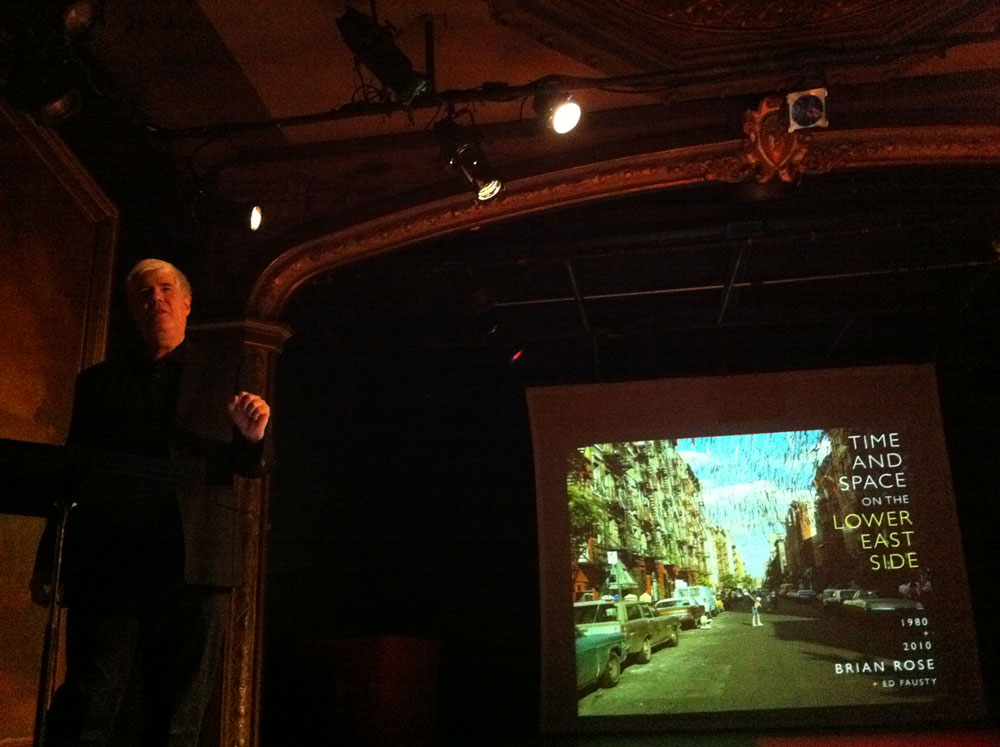
    Presenting Time and Space on the Lower East Side at the Duo Theater — © Bill Diodato

    My publisher, Bill Diodato, on his blog here with comments and additional photos.

    And Stan Banos here on his blog Reciprocity Failure.

  • New York/Lower East Side

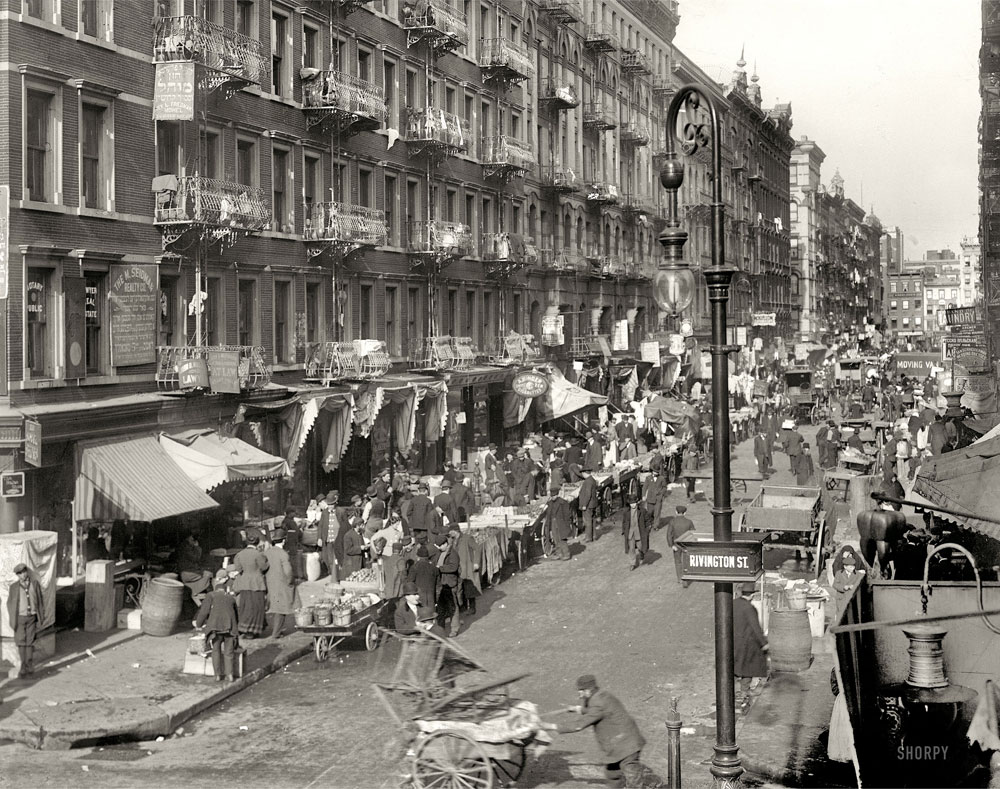
    Orchard Street 1909

    Throughout working on my Lower East Side project, I have been aware of the rich photographic history attached to the neighborhood. Turn of the century photographers like Lewis Hine and Jacob Riis established the image of the LES as a place of hardship and corruption in need of social reform. Later, Berenice Abbot photographed the streetscape and architecture while Helen Levitt focused on life in the streets. Rebecca Lepkoff  vividly, if somewhat sentimentally, chronicled Jewish culture, and Nan Goldin revealed the interior lives of a generation of  artists and musicians. There are many others who have contributed to this history in myriad ways.

    But the dominant visual icon of the Lower East Side has always been similar to the photo above: a teaming street full of pushcarts and wayward children, a solid wall of tenements receding into the distance hung with fire escapes and signage, a vibrant scene of urban life, however physically poor and begrimed. This photograph comes from the Detroit Publishing Company by way of the blog Shorpy, one of my favorite places to visit on the internet, which features high resolution historic photographs found in the public domain.

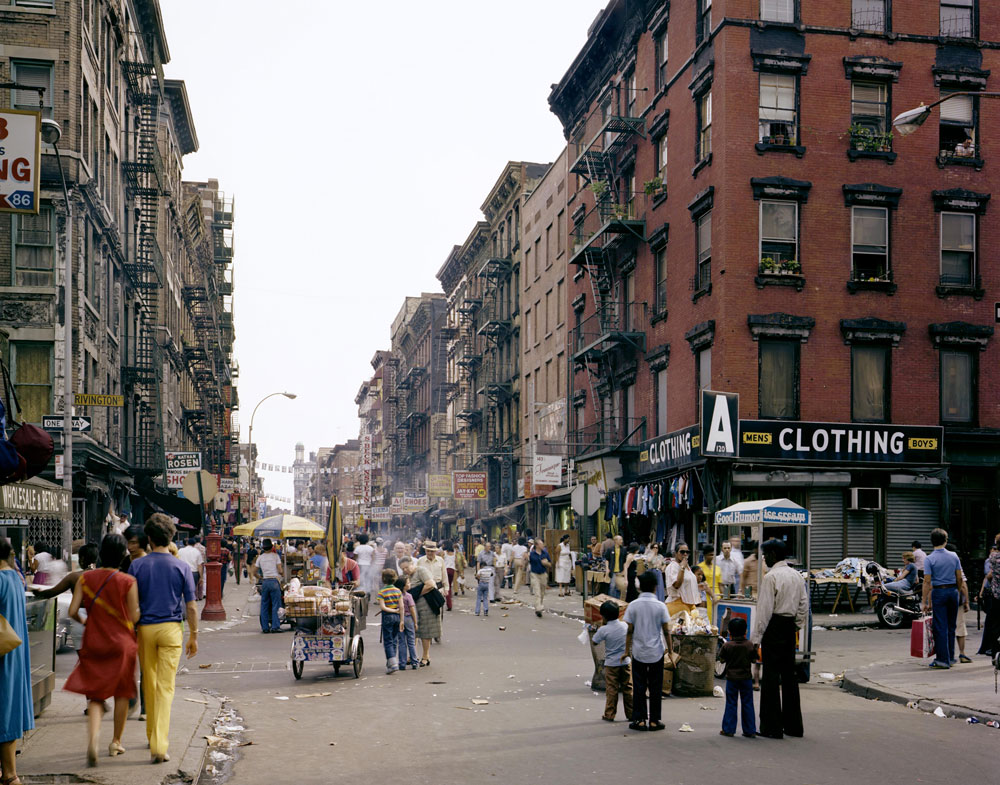
    Orchard Street 1980 — © Brian Rose/Ed Fausty

    The picture above that Ed Fausty and I did in 1980 strongly echoes the 1909 image. It’s the same corner except looking the opposite direction taken on a Sunday when Orchard is closed to vehicular traffic. I was aware of the homage when we took it, though I doubt that I had seen the exact picture shown above. There are a number of others, not much different. On the one hand, I was obsessed with doing something new, using color film to create a portrait of a place in a way not seen before. On the other hand, I wanted to connect to the history of photography, especially as it pertained to the Lower East Side itself. This image of Orchard Street, as much as any in my new book Time and Space on the Lower East Side, is a bridge to that past.

    Last night I unveiled Time and Space at the Duo Theater on East 4th Street. There were about 80 people there, a full house, and I was pleased to see some familiar faces, some of whom were surprises. I noticed there was a contingent of Kickstarter backers, the people who helped raise the money to do the book. My publisher, Bill Diodato was there, and I was especially happy to see Alex Harsley, photographer and host of the 4th Street Photo Gallery, whom Time and Space is dedicated to.

    Here is a snippet of video from the evening off of an iPhone:

  • New York/Williamsburg

    Williamsburg, Brooklyn — © Brian Rose

    This evening I will be introducing my book Time and Space on the Lower East Side. I believe there is a waiting list for seats, but my guess is that there will be some cancellations. So, it’s worth a try getting in touch with the sponsor if you’d still like to go. Hope to see you there.

    Here is the link.

  • New York/East Harlem

    Park Avenue — © Brian Rose

    A short walk between the 103rd Street subway entrance and the Museum of the City of New York. After the economic downtown of a few years ago, the neighborhood seems to be  gentrifying at a fast pace. On Lexington Avenue there is new apartment building nearing completion, and a cafe catering to an middle class clientele stands next to bodegas and nail salons. But like the Lower East Side, it’s an uneven phenomenon with plenty of vacant lots and run down buildings still present. And the housing projects continue to loom over everything.

    Park Avenue — © Brian Rose

    East 104th Street — © Brian Rose

    East 104th Street — © Brian Rose

  • New York/Nolita

    Houston Street — © Brian Rose

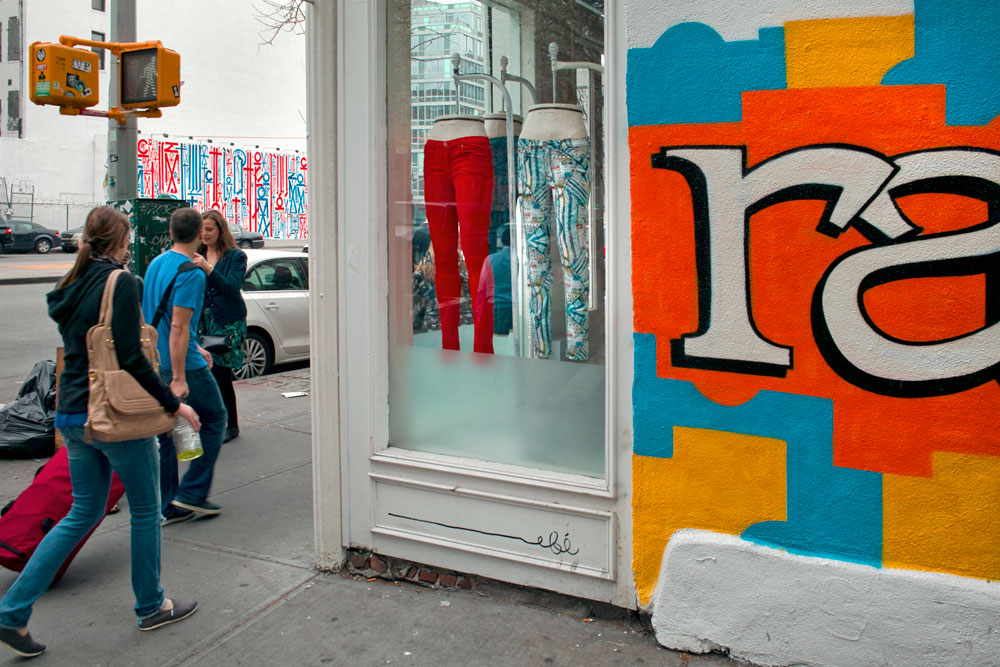
    The graffiti wall on Houston Street and Rag and Bone, a clothing shop.

  • New York/Hell’s Kitchen

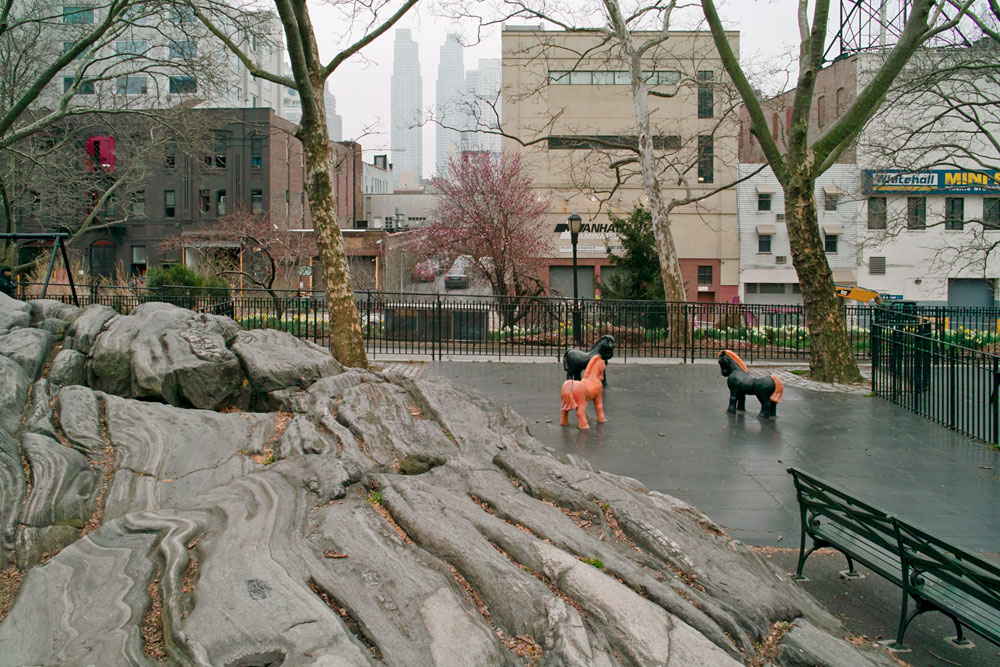
    DeWitt Clinton Park, West 52nd Street — © Brian Rose

    From the New York Times, February 5, 2012:

    “Think of layers of wax that are just squeezed,” Mr. Horenstein said. “Even when it’s weathered, you can see all those convolutions.” The marvels continued, as a granitic substance filled in the cracks after the deformation, creating delicate traceries. Retreating glacial ice finally gave the whole thing a terrific polish that endures to this day.


  • New York/Noho

    Houston Street — © Brian Rose

    Elizabeth Street — © Brian Rose

    Without comment.

  • New York/Williamsburg

    Williamsburg, Brooklyn — © Brian Rose

    Without comment.

  • New York/Two Portraits


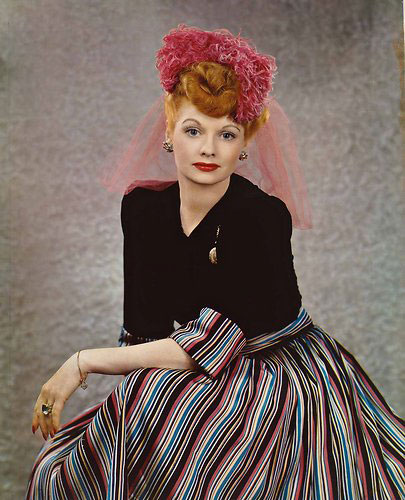
    Lucille Ball, 1944, Harry Warnecke

    This photograph of Lucille Ball made in 1944 by Harry Warnecke jumped out at me this morning while thumbing through the New York Times. It’s part of an exhibition at the National Portrait Gallery in Washington, D.C. Like most people, I think of “Lucy” in comedic settings, exaggerated facial expressions, slapstick, wonderful goofball humor. I don’t know the context of this photo shoot, but it’s clearly a carefully set up studio portrait. Makeup is perfect, a magnificently  colorful skirt overflowing in the foreground, she seems to be sitting on a stool with her legs to the side, one over the other, her left elbow resting just above her knee. It’s’ a relaxed pose, but slightly awkward at the same time. Her famous red hair is topped with an even redder headpiece, a flimsy scrim of red fabric framing her face. But there is scarcely a hint of the clownish Lucille Ball of a few years later.

    Neil Genzlinger in the Times thinks she looks a little sad, and I agree, possibly. One expects Hollywood stars to project more personality, however forced. But here Lucy appears pensive, perhaps tired. Is she waiting for something? Is it a moment of boredom in the course of series of more typical mugging for the camera? She almost seems to be saying, all right, I’m ready, let’s do the next shot.  Despite all the formal portrait artifice at play, this appears an unguarded moment, a moment expressive of her unadorned self, and more naturally beautiful than ever. Warnecke didn’t do anything at that moment but click.

    Of course this is all speculation. We’ll never know what was going on during that shoot, what was in her thoughts. But the enigmatic quality of that image is what brings me back to photography again and again, why I never tire of it, and why I continue to be fascinated  by the world as it presents itself to me.
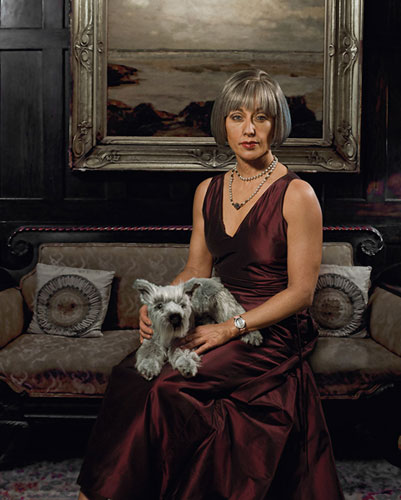
     

    Untitled, 2008, Cindy Sherman

    The big show in town right now is Cindy Sherman at the Museum of Modern Art. She is, as the website text states, “widely recognized as one of the most important and influential artists in contemporary art.” Note, art, not photography. We are all artists, of course, but some of us, the ones who utilize photography, are more artists than others.  The curators and gallerists will never let go of this.

    I don’t quarrel with Sherman’s importance, and I find her late ’70s “Untitled Film Stills” quite arresting. The references to Hollywood and TV imagery were clear, sharply realized, and there was a nifty balance between artifice and spontaneity using minimal means to evoke rather than simply mimic. In her later series, Sherman goes heavy handed, Baroque, Gothic, macabre, clownish (literally), and what have you. A grab bag of identity cliches weighed down with pounds of makeup, costuming, and prosthetics. I lost interest twenty years ago.

    The photograph above shows a woman of some means sitting for a portrait, her legs to the side, her arm resting just above her knee, with a frizzy pooch, staring at the camera with a pensive, perhaps tired, look. The woman floats in a seamless environment of  muted colors and surfaces. She represents a type–maybe a Park Avenue socialite. But we are gazing at a wax figure, not a person, even though that is Cindy Sherman in there somewhere. And like visiting a wax museum, we are amazed, but unmoved.