Author: admin

  • New York/Books

    purchase_29Purchase, New York (4×5 film) — © Brian Rose

    My journal has been quiet lately for several reasons, the main one being that I’ve been working on two books. As mentioned in an earlier post, my book about the Meatpacking District is now in the works.The final design is complete, and I am now fine tuning the image files. The whole package goes to the printer no later than mid-January.

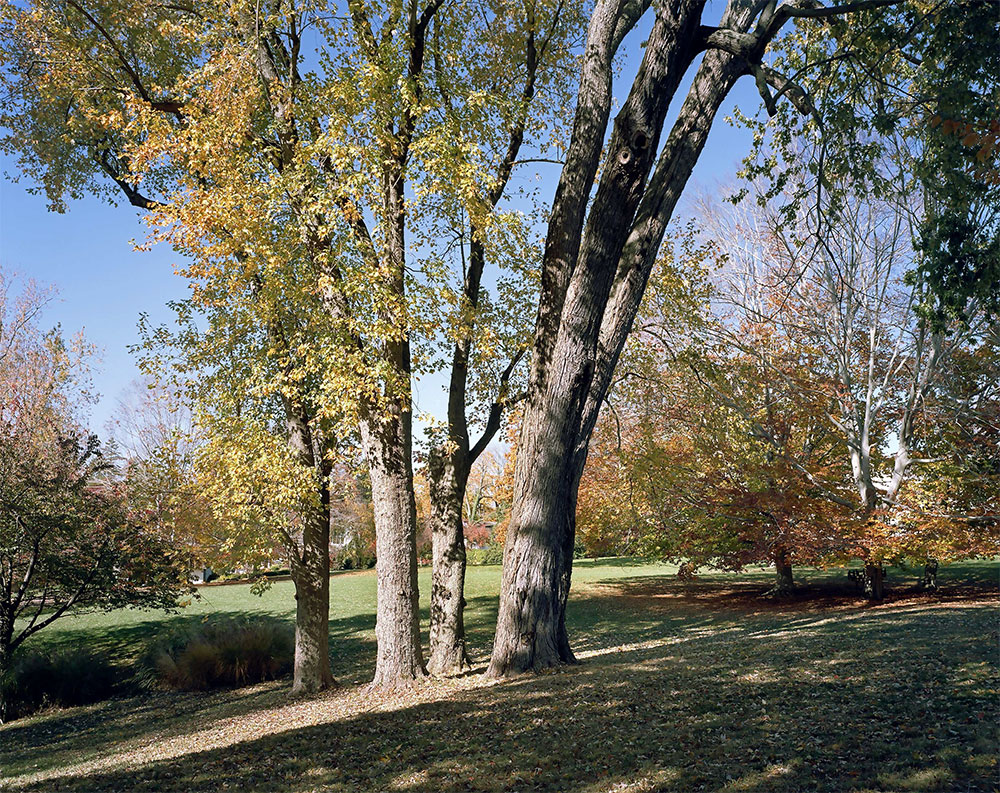
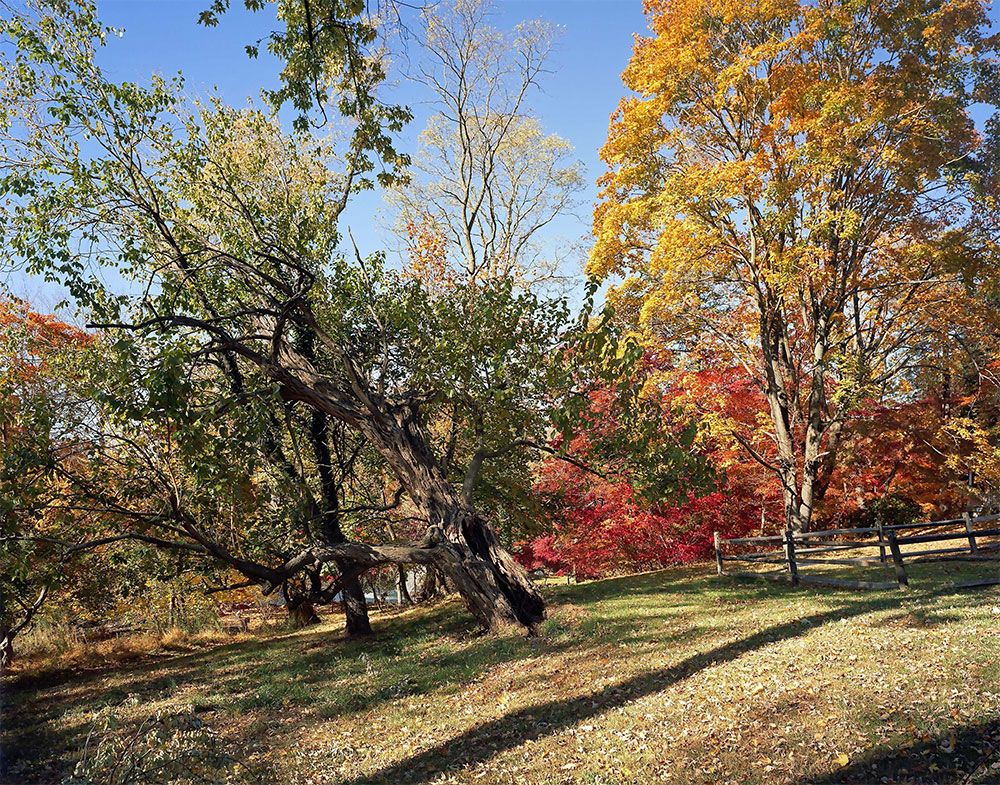
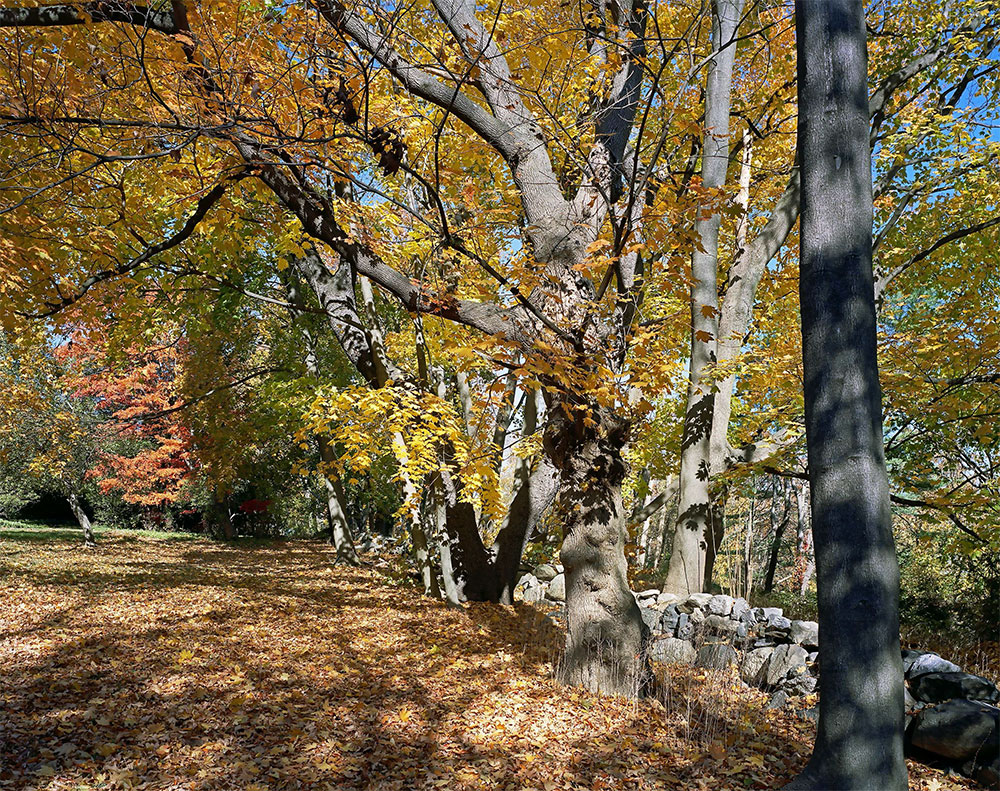
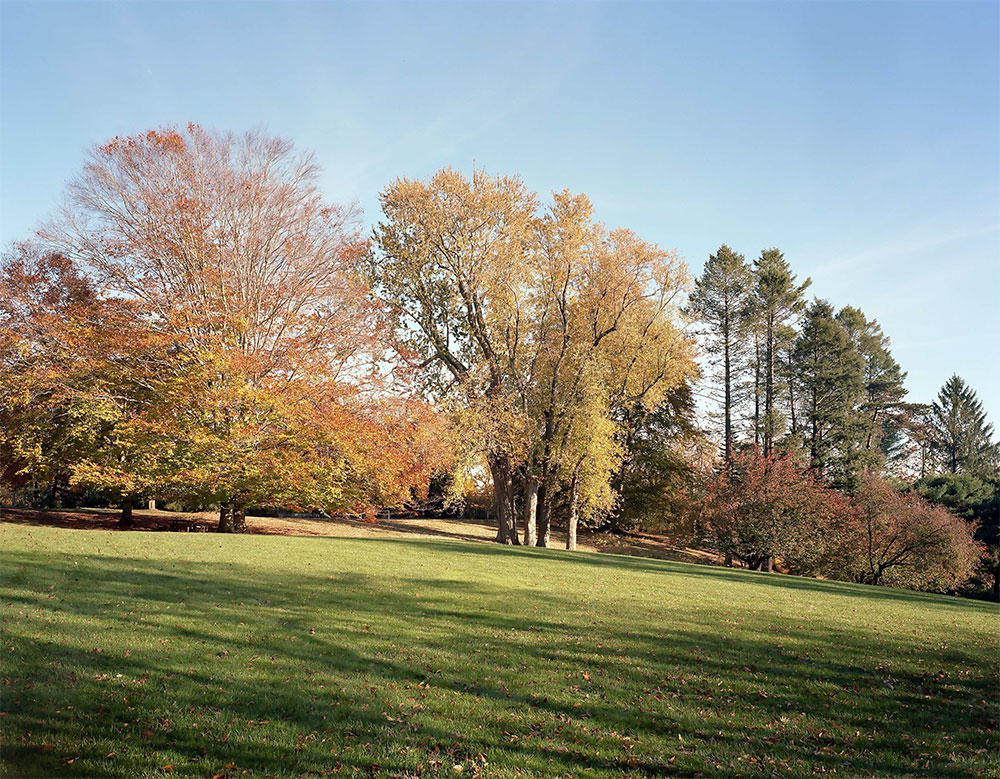
    At at the same time as I was finishing up that book, I was also doing a commission, creating a book about an estate in Westchester County just north of New York City. The book includes views of the house, a beautiful late 18th century structure situated on a hill affording glimpses of the Long Island Sound. But most of the pictures deal with the surrounding landscape.

    Although I am known primarily for my urban architecturally oriented projects, I have done lots of landscape work over the years. In an important sense, everything I do is landscape photography, the distinction between man made and man altered topography being mostly meaningless. That said, however, it was a nice break from the Meatpacking District to spend a couple of days in this park-like setting.

    purchase_40Purchase, New York (4×5 film) — © Brian Rose

    purchase_38Purchase, New York (4×5 film) — © Brian Rose

    purchase_39Purchase, New York (4×5 film) — © Brian Rose


  • New York/Zwarte Piet

    sinterklaas_en_zijn_knecht_0
    Saint Nicholas and his Servant

    Since it’s all over the media, and today in the New York Times, I will briefly enter the fray surrounding the Dutch cultural icon Zwarte Piet (Black Peter).

    As many of you know, I am married to a Dutch woman and lived in the Netherlands for about 15 years. My son was born there. It is a small country brimming with creative energy and industrious people. It’s an extraordinary place in countless ways. But with all respect to my Dutch friends and loved ones, let me be blunt.

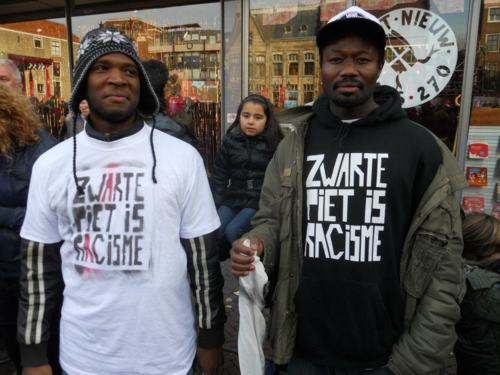
    The problem of Zwarte Piet is not simply that the Dutch can’t understand why outsiders are so upset about the image of a black-faced white person playing the role of Sinterklaas’s servant. Zwarte Piet is, in fact, emblematic of a deeply racist strain within Dutch culture. The reason the Dutch are so upset about foreign criticism of their tradition is because Piet exposes what they pretend does not exist. Something that goes against what they believe about themselves.

    When Barak Obama was elected President of the U.S., I believed that it was proof that American society was moving beyond its legacy of slavery and racial inequality–and in some ways that may be true. But the ugliness directed at him since–that he is Kenyan, Muslim, communist etc.–that he is somehow not a legitimate president–all of that exposes the racist undertow running beneath the surface of American society. So, I take care not to single out the Dutch for their Zwarte Piet self-deception.

    zwarte-piet
    Not all Dutch people are supporters of Zwarte Piet.

    Seven years ago, a short time before I returned to New York with my family, I wrote the following in this journal. I was clearly in something of a funk, but I still stand by it.

    It’s getting late in November and the days are growing short, the sun is low in the sky when it does show itself in this mostly dreary climate. It’s almost time for Sinterklaas to arrive on his steamboat from Spain accompanied by his Black Petes. The Dutch cling tenaciously to the iconography of Sinterklaas: the severe bearded man dressed in Catholic bishop’s attire, the black-faced afro-wigged Petes cavorting about. It’s a children’s thing, but it is promoted with what seems an almost manic enthusiasm by adults. To outsiders interlopers like me who cannot get past the racist imagery of Black Pete, the whole business is repellent–and in bad taste. It is cultural heritage as kitsch–not a uniquely Dutch phenomenon, of course–but especially egregious.

    Not unique — but especially egregious.


  • New York/Meatpacking District

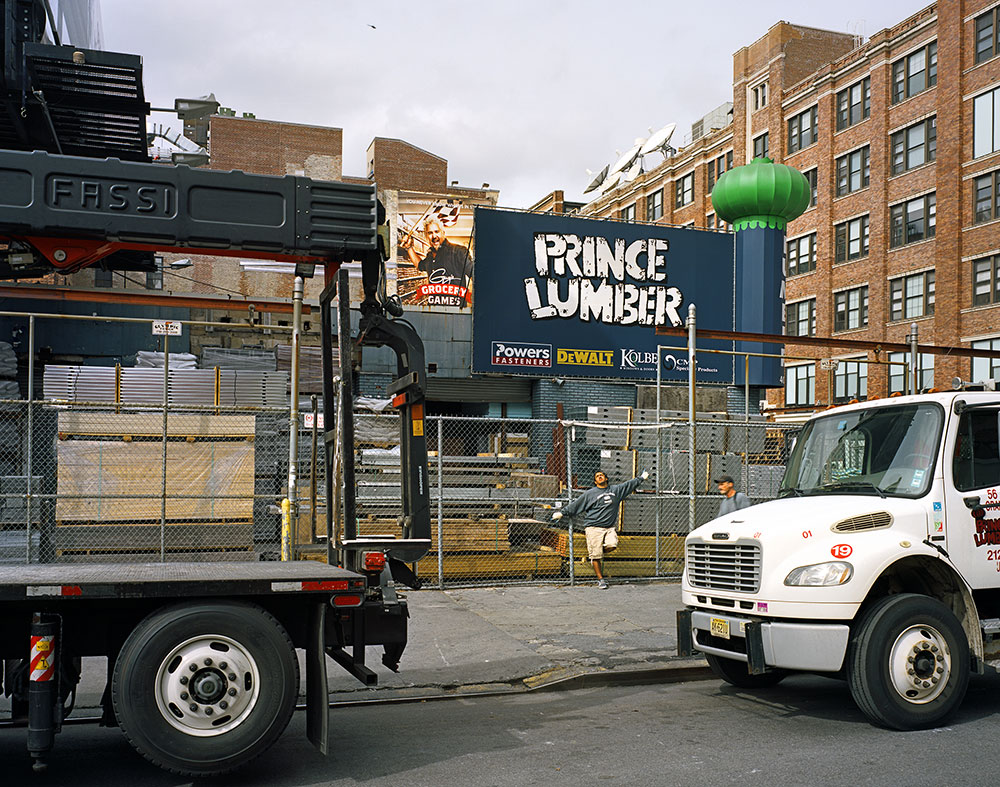
    princelumberNinth Avenue and West 15th Street (4×5 film) — © Brian Rose

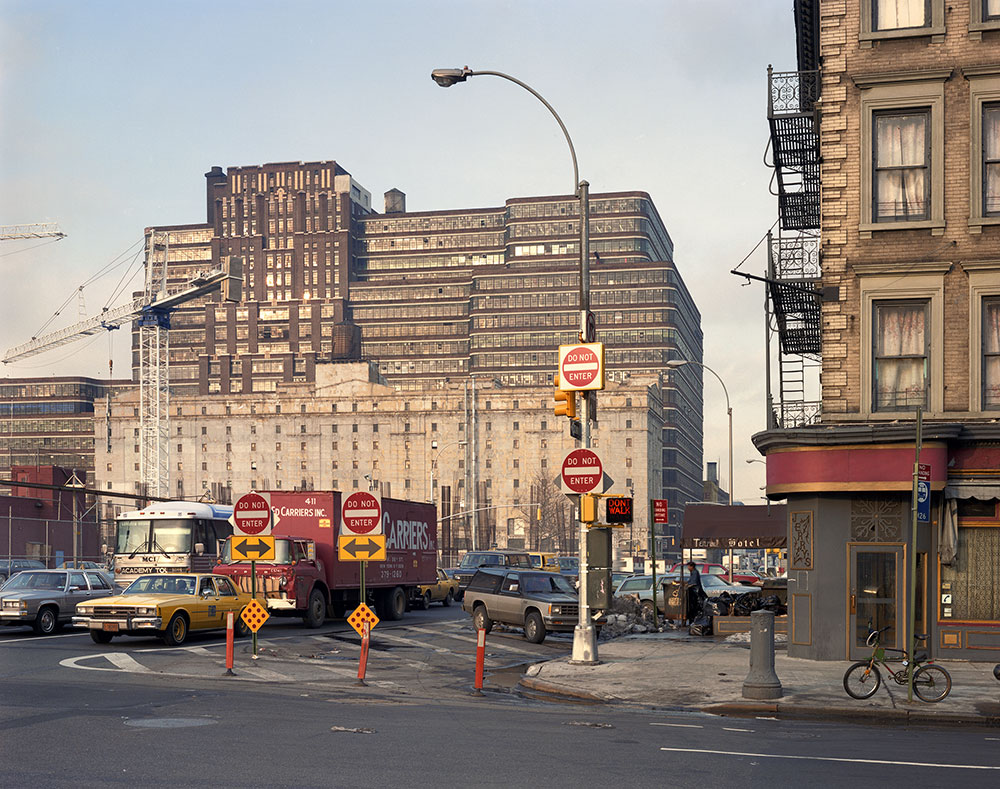
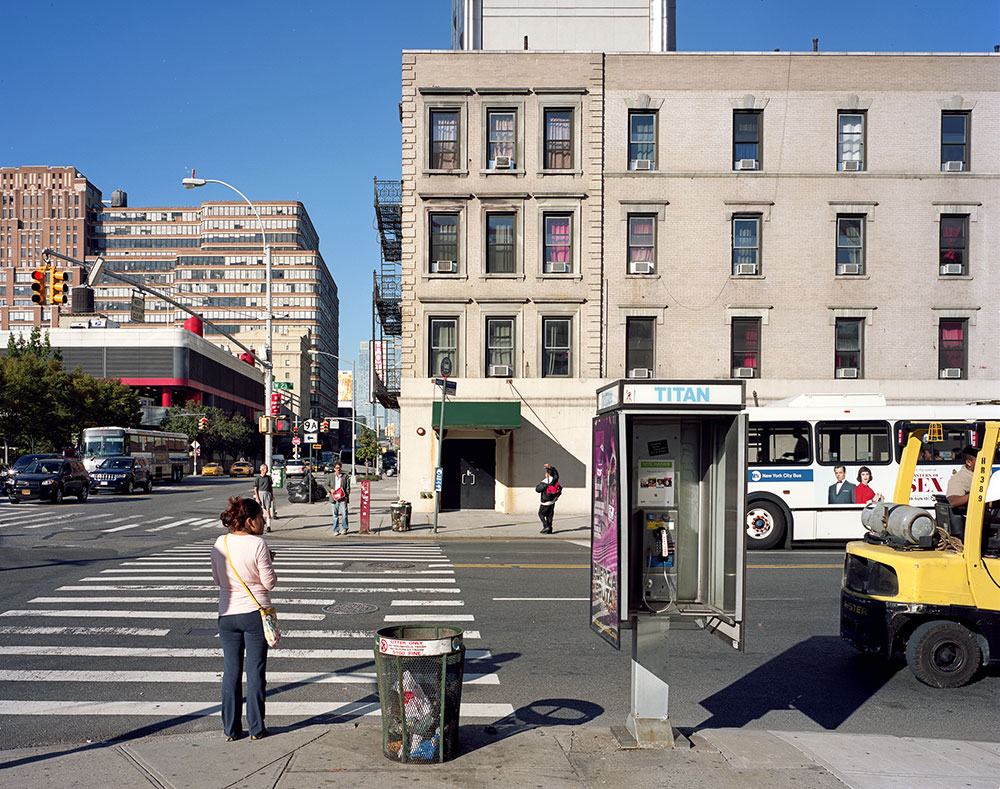
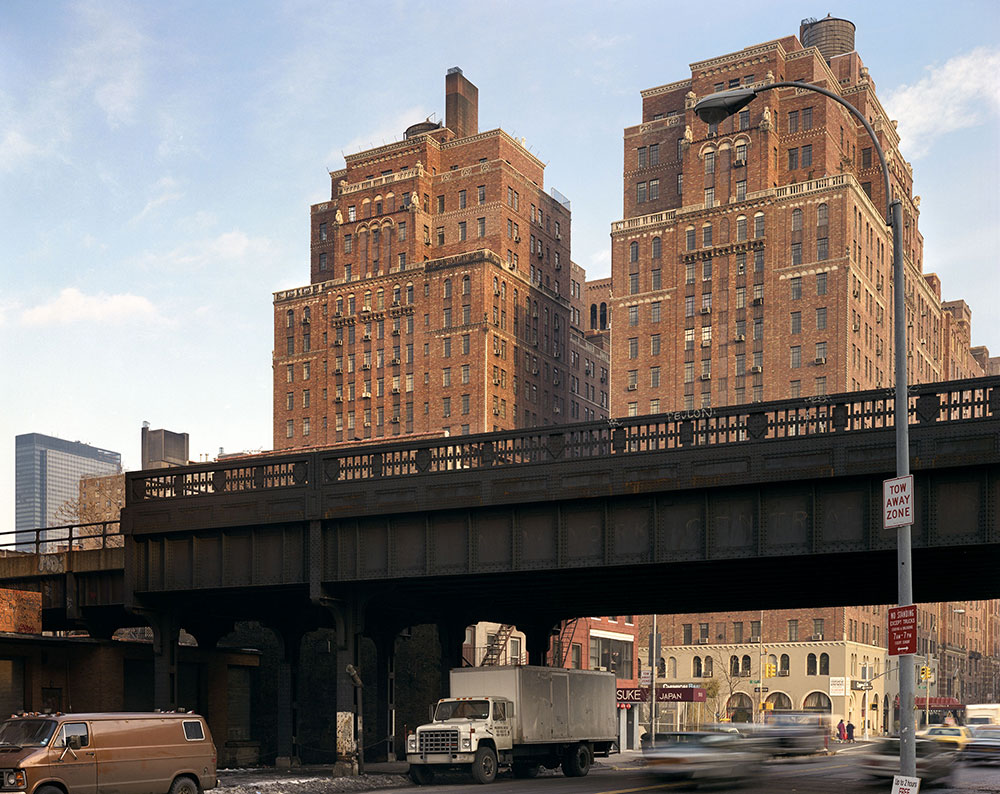
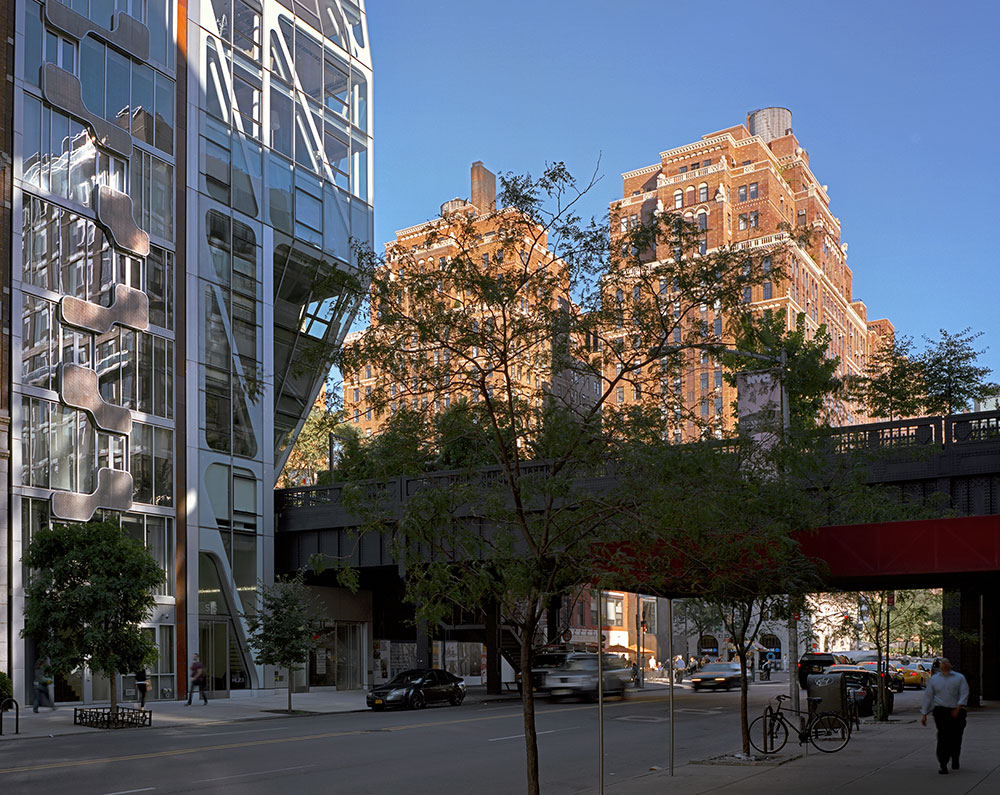
    My Meatpacking book is now in production, and I’m working with the same publishing team as the last time led by Bill Diodato. It will have 50 images–about 40 of them before/afters (1985/2013) and the rest will be newly made images. The picture above is one of the new ones. Although the original set of photographs made in 1985 were not an attempt at comprehensively describing the neighborhood, they did in fact hit many of the key spots. The High Line, in its two incarnations as the abandoned rail viaduct and high concept park/promenade, will be a strong presence in the series.

    The working title is:

    Metamorphosis
    Meatpacking District 1985/2013

    I am hoping for external funding for the book, and hope to have some idea of that soon. I raised money on Kickstarter for Time and Space on the Lower East Side, and I may have to do it again for this book. Aside from the money, Kickstarter is a good way to generate interest for a project and build momentum. But doing it is a lot of work, and I’d be happy to avoid it this go round.


  • New York/Meatpacking District

    apple
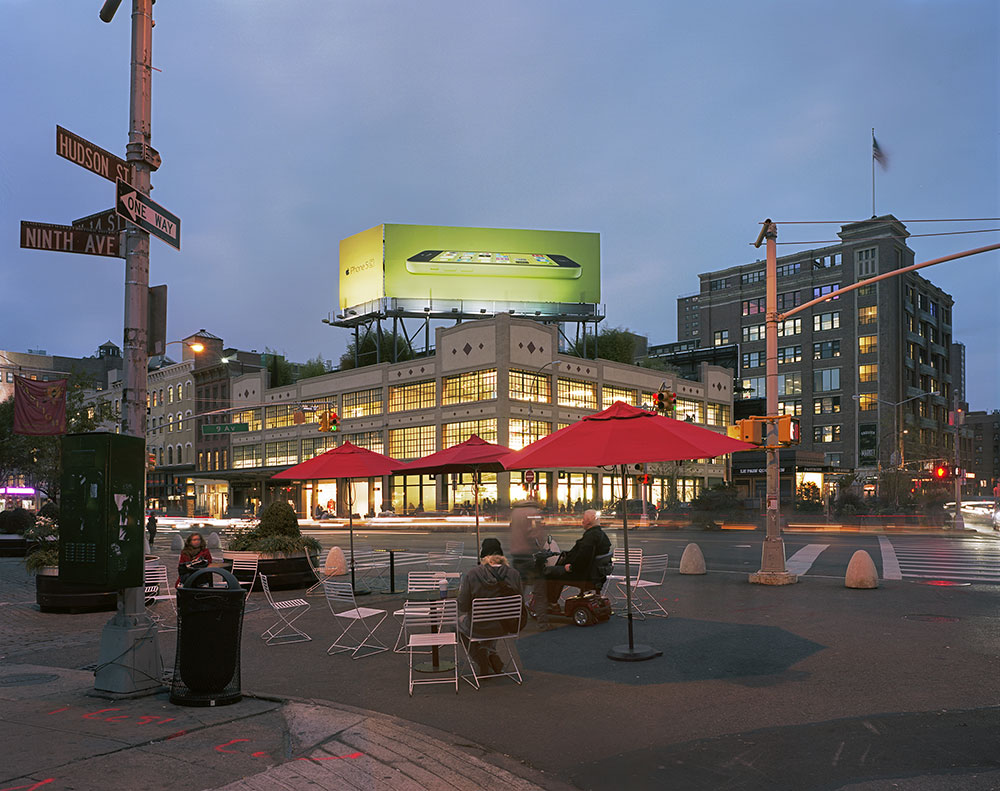
    14th Street, Ninth Avenue, Hudson Street (4×5 film) — © Brian Rose

    whitney
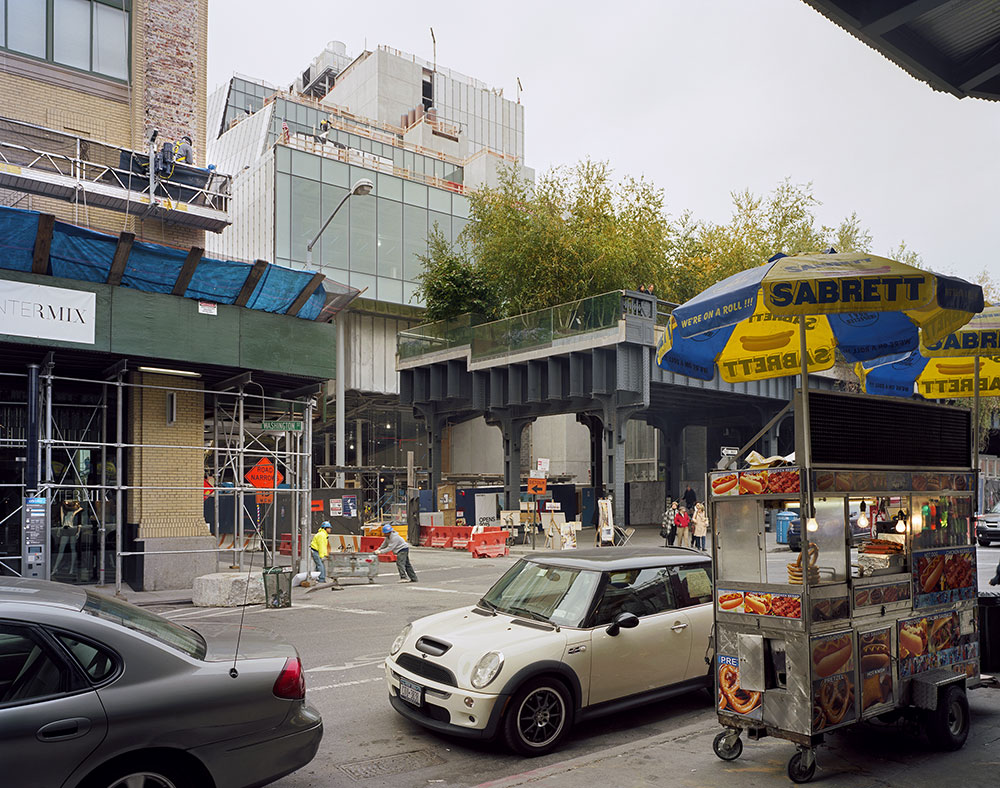
    Washington Street, Whitney Museum construction (4×5 film) — © Brian Rose

    Two temples of culture and commerce. The glowing Apple Store on 14th Street beckons on a relatively mild autumn evening, a green iPhone hovering  in the sky. To the south on Washington Street tucked behind the southern terminus of the High Line, the Whitney Museum rises. Open in 2015.

  • New York/High Line

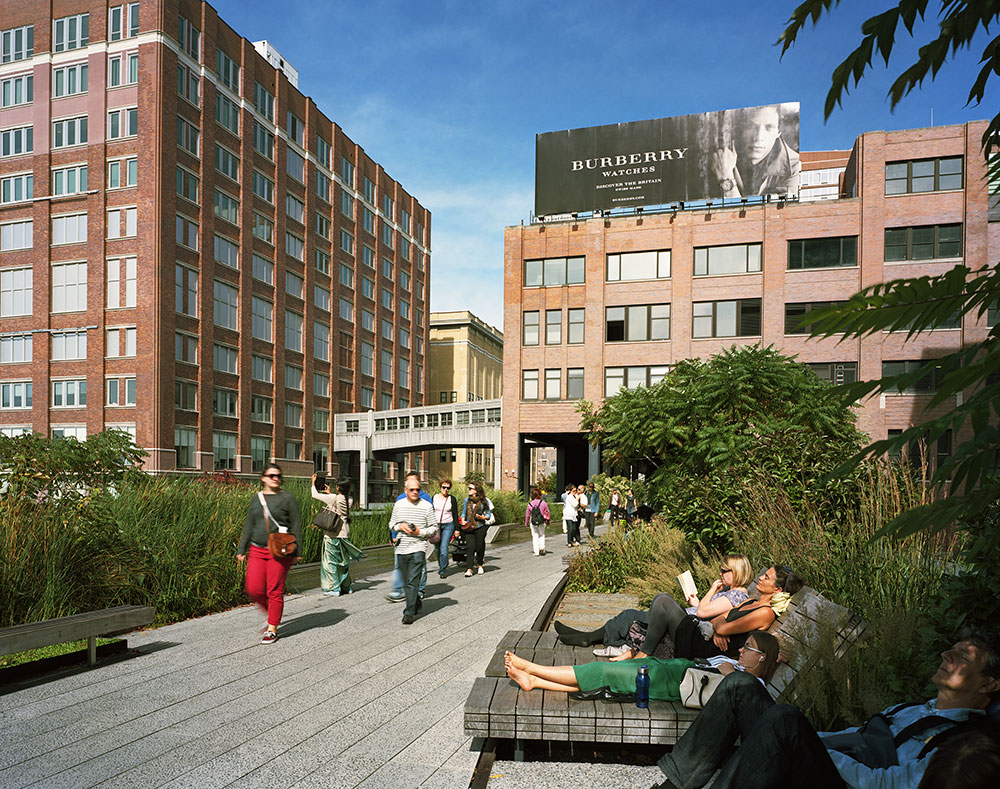
    burberryOn the High Line (4×5 film) — © Brian Rose

    market
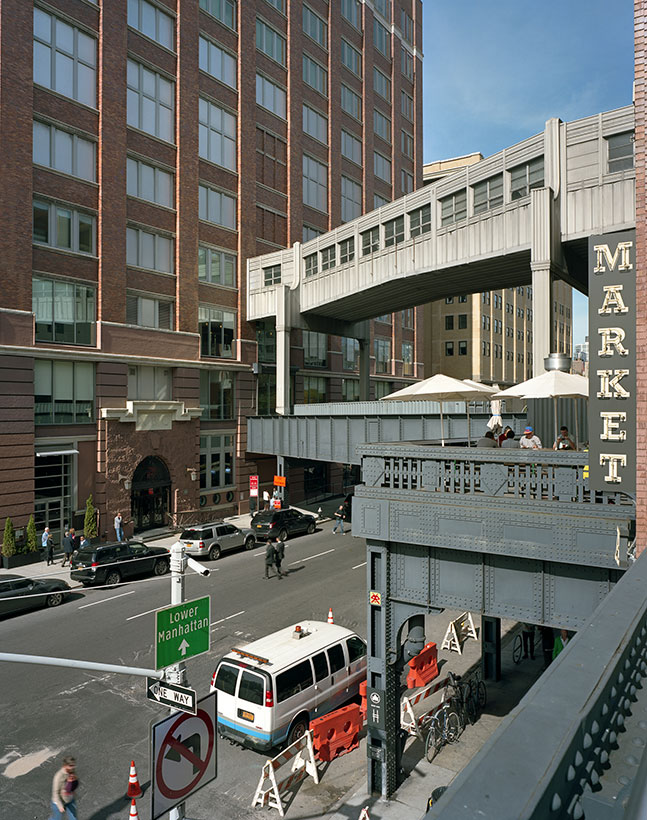
    On the High Line (4×5 film) — © Brian Rose

    More work on my Meatpacking District project.

  • New York/Chelsea

    Two sets of before/after images taken in Chelsea on 23rd Street. Both feature two of New York’s most imposing buildings. The Starrett-Lehigh Building on Eleventh Avenue, which was built in the early ’30s as a distribution and warehouse facility near the docks on the Hudson River. Trains could load and unload inside the building, and trucks could be lifted to any floor. Today, it is the home to businesses in the creative fields, and virtually everyone has at one time or another seen ads shot in the photography studios in the building. London Terrace was also built in the early 1930s as the largest apartment building in the world. It still houses thousands of residents, though it is now divided into separate co-op and rental complexes.
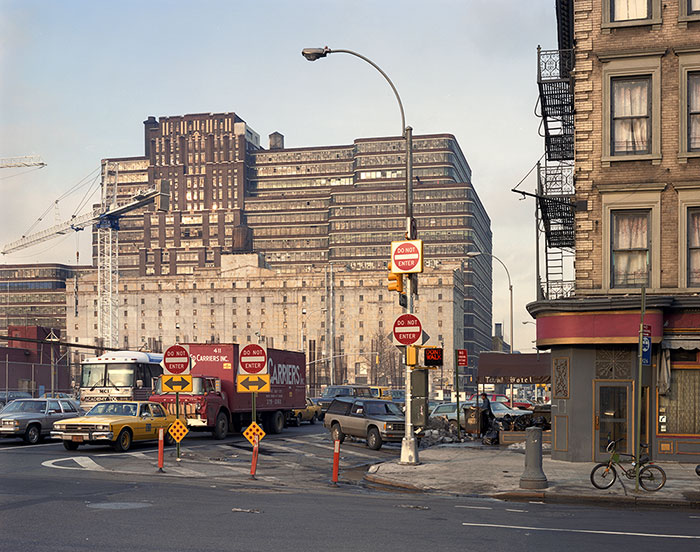
    StarrettEleventh Avenue and 23rd Street, 1985 (4×5 film) — © Brian Rose
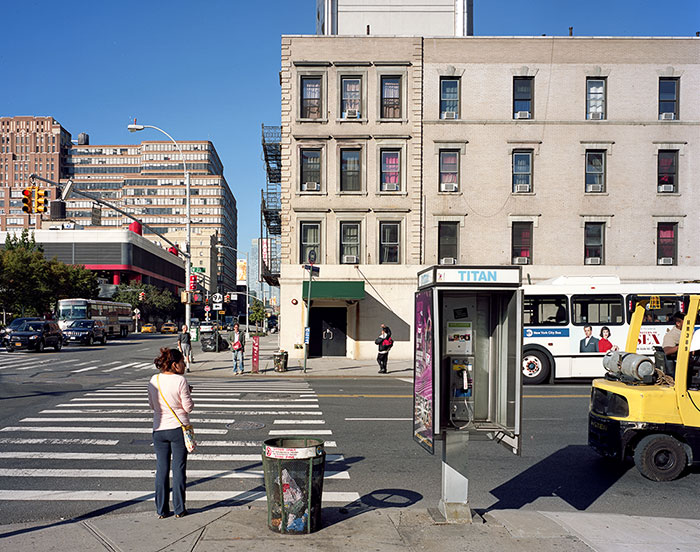
    10and23Eleventh Avenue and 23rd Street, 2013 (4×5 film) — © Brian Rose

    Throughout most the 20th century, the west side of Manhattan was dominated by the docks along the Hudson River. It was a bustling area employing thousands of longshoremen back when cargo was handled piece by piece. As shipping moved to containers, which could be lifted by crane and transported by train or truck, the vast Hudson River industry was transplanted to New Jersey with plentiful horizontal space, and easy access to mainland highways and rail lines. The west side went into steep decline.

    The edginess I encountered in 1985 has mostly disappeared. In the top photograph the Terminal Hotel was a seedy place fed by the prostitution and drugs that haunted the area. It’s now a more cleaned up budget hotel that, needless to say, does not cater to the wealthy patrons of the nearby art galleries.
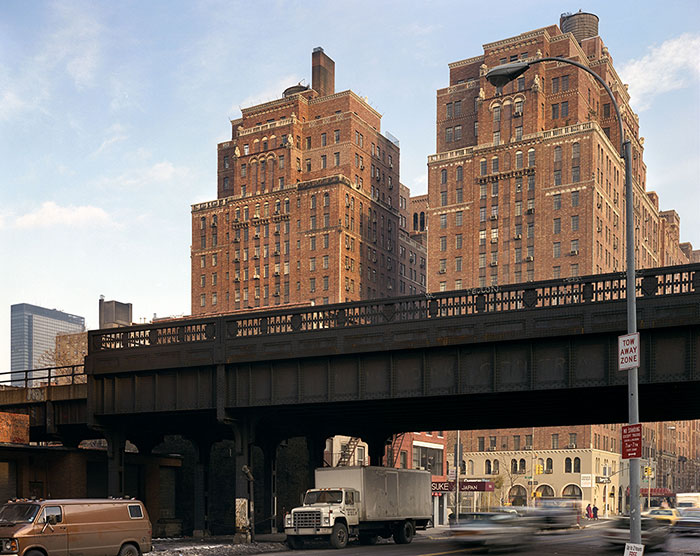
    londonterrace198523rd Street between Eleventh and Tenth Avenues, 1985 (4×5 film) — © Brian Rose
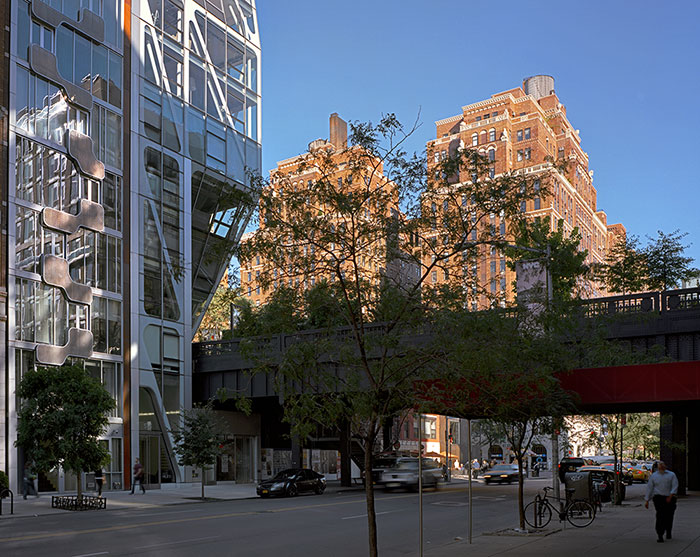
    longdonterrace23rd Street between Eleventh and Tenth Avenues, 2013 (4×5 film) — © Brian Rose

    When London Terrace was first built, the residents on the west end of the building would have looked down on trains moving along the High Line rail viaduct that serviced the adjacent piers. It was an outpost of relative gentility bordering on the rough and tumble world of the harbor district. Later, they would have looked upon an abandoned High Line, and largely desolate streets.

    Now, London Terrace stands at the center of the Chelsea gallery scene occupying the former warehouses. Initially, the developers and property owners wanted the HIgh Line torn down, and they generally opposed the creation of the High Line park, which has become an international tourist destination. They were shortsighted, as so often comes with the territory, and the High Line has become a profoundly valuable urban amenity. One wonders how long the Chelsea galleries will survive the upward arc of real estate values. One wonders, as well, when the gravy train runs out.


  • New York/Meatpacking District

    I’ve been hard at work on my Meatpacking before/after series. Most of the direct then and now pictures are done, and I am continuing to do new views of the area as they present themselves. Many of the 1985 pictures were taken on bleak winter days with minimal sunlight. Lately, I’ve been stuck with crisp and pristine fall days, which sometimes work in my favor, sometimes not.

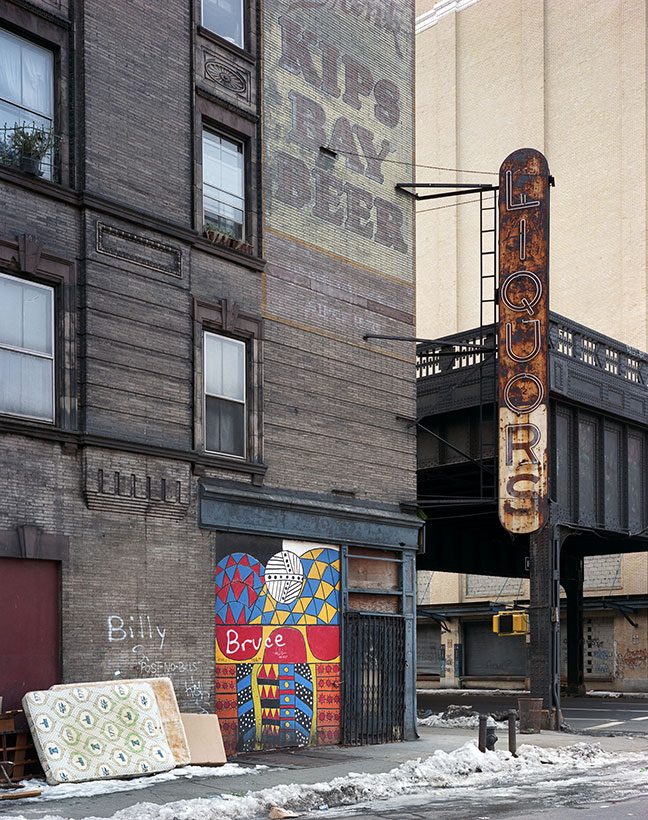
    One shot I’ve been trying to replicate was taken on 10th Avenue where the High Line runs along the street and takes a jog to the west where it then runs mid-block. The original photo shows a rundown tenement with an impressively decrepit “liquors” sign. It was taken in open shade with weak sunlight coming up 10th Avenue from the south.

    highlinecorner1985
    10th Avenue and 17th Street, 1985 (4×5 film) — © Brian Rose
     

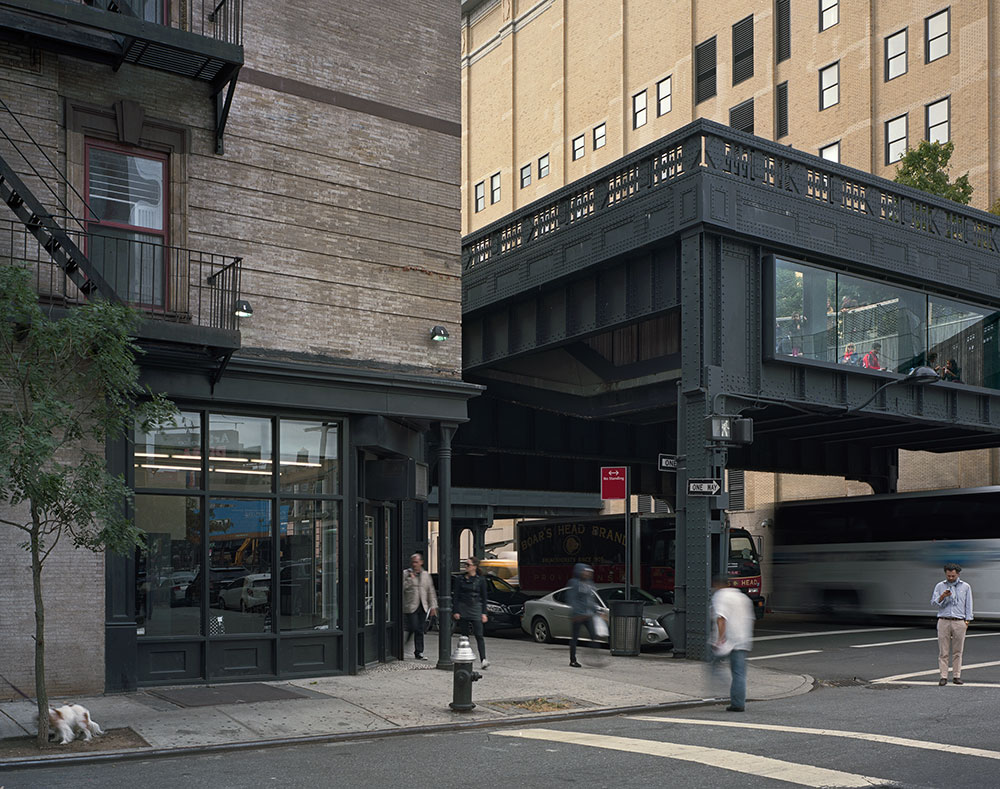
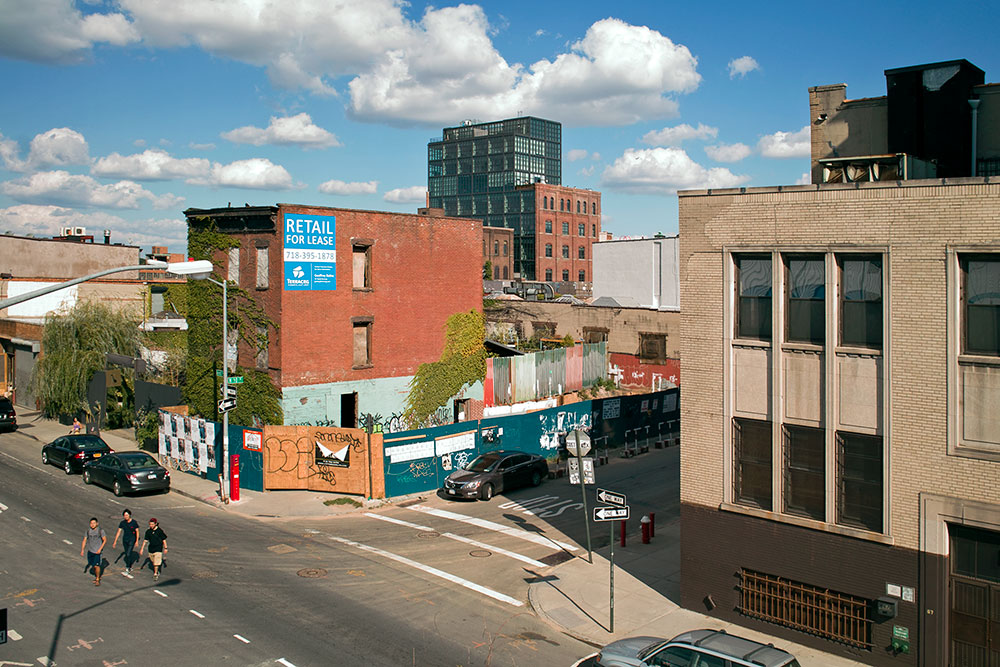
    highlinecorner10th Avenue and 17th Street, 2013 (4×5 film) — © Brian Rose
    Today, the basic infrastructure of the scene remains unchanged. The tenement remains, the High Line still hovers above the street, and the immense warehouse building looms behind. But everything else about the former situation has been altered. The unbroken brick facade of the warehouse has been punched with windows to accommodate offices, the tenement is no longer decorated with signage, and a boutique occupies the ground floor storefront. The High Line is, of course, no longer an abandoned rail viaduct, and at this spot, where it crosses 10th Avenue, a window cut into the steel overlooks the street. People are everywhere where few once ventured.

    The weather finally worked for me at this location with the sun straining through light clouds. The liquor sign no longer dictated a vertical composition, so I took a wider view showing people peering through the window on 10th Avenue.


  • New York/Statue of Liberty

    sol04
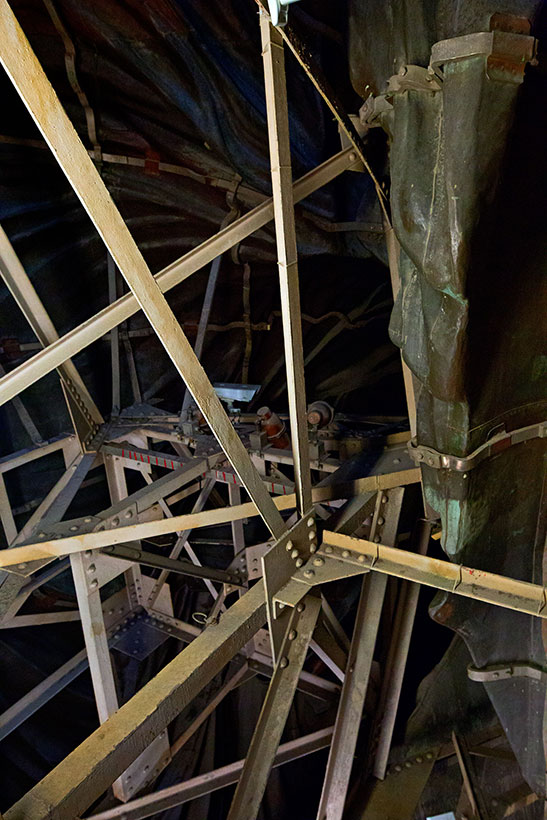
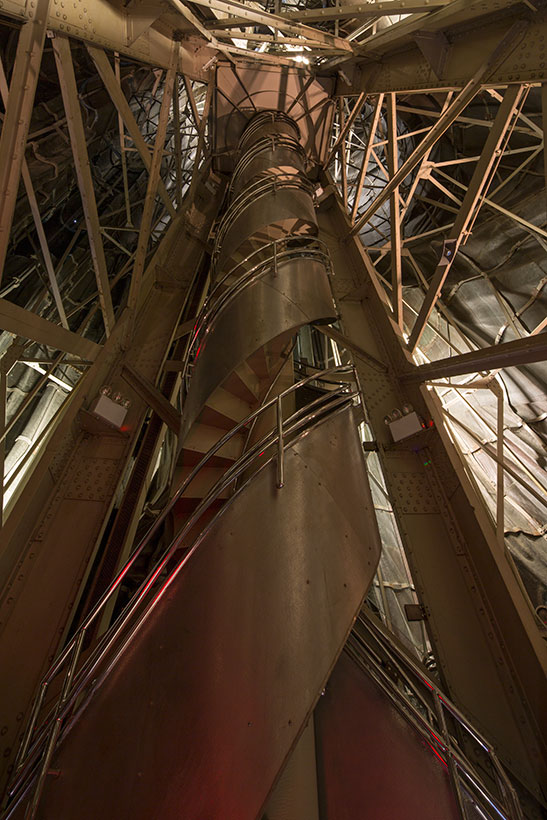
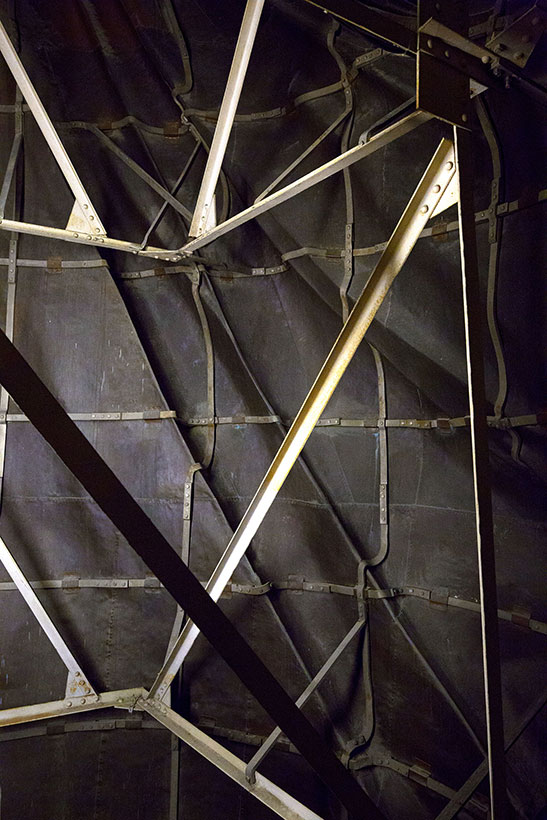
    Inside the Statue of Liberty — © Brian Rose

    “There must be some way out of here,” said the joker to the thief
    “There’s too much confusion, I can’t get no relief
    Businessmen, they drink my wine, plowmen dig my earth
    None of them along the line know what any of it is worth”

    – Bob Dylan


  • New York/Statue of Liberty

    sol02
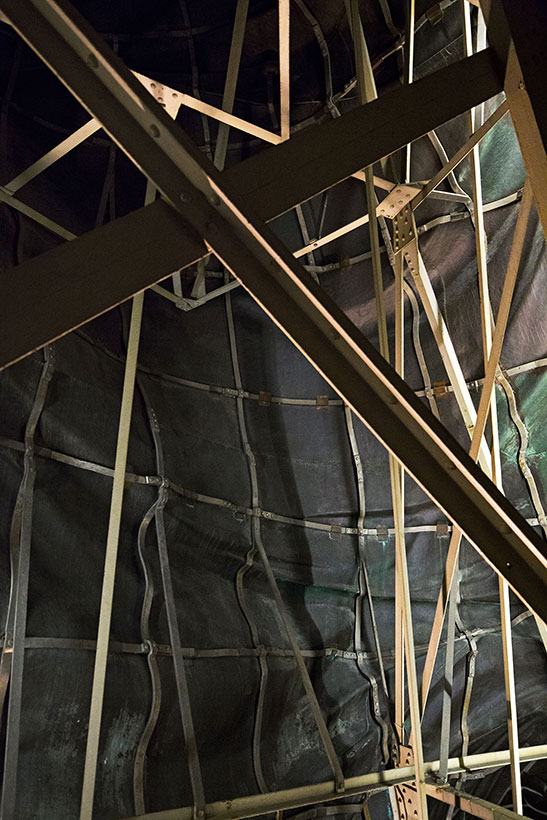
    Inside the Statue of Liberty — © Brian Rose

    The world waits for the Republican putsch to fail in the final hour.


  • New York/Statue of Liberty

    sol005
    Inside the Statue of Liberty — © Brian Rose

    New York State has reopened the Statue by paying the salaries of federal employees who have been furloughed by the Republican shutdown of the government.

    Meanwhile the countdown to default and financial apocalypse continues.


  • New York/Around Town

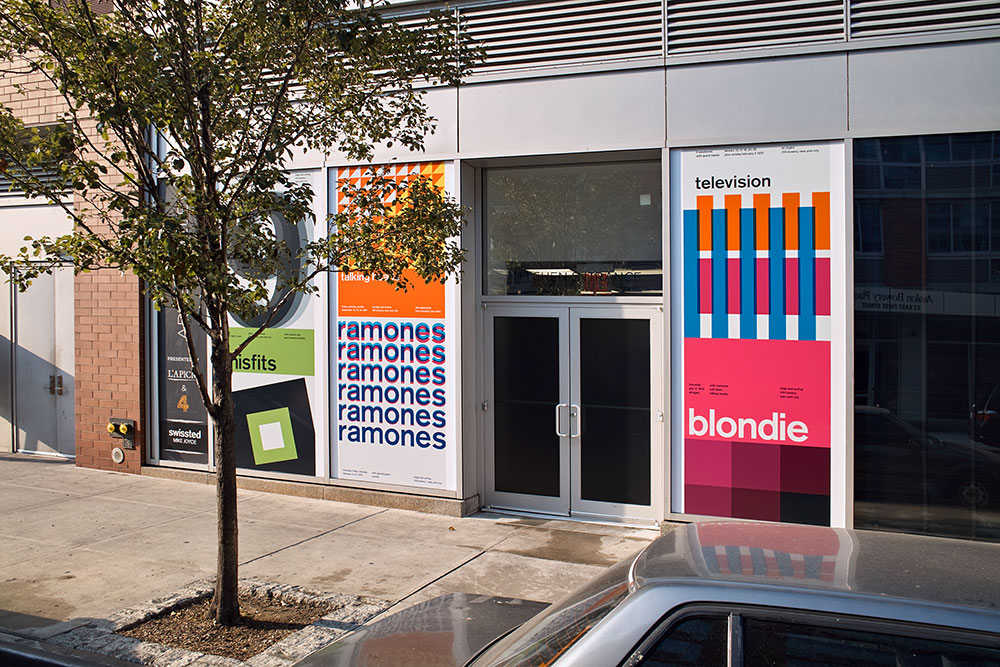
    ramonesEast 1st Street between the Bowery and Second Avenue (digital) — © Brian Rose
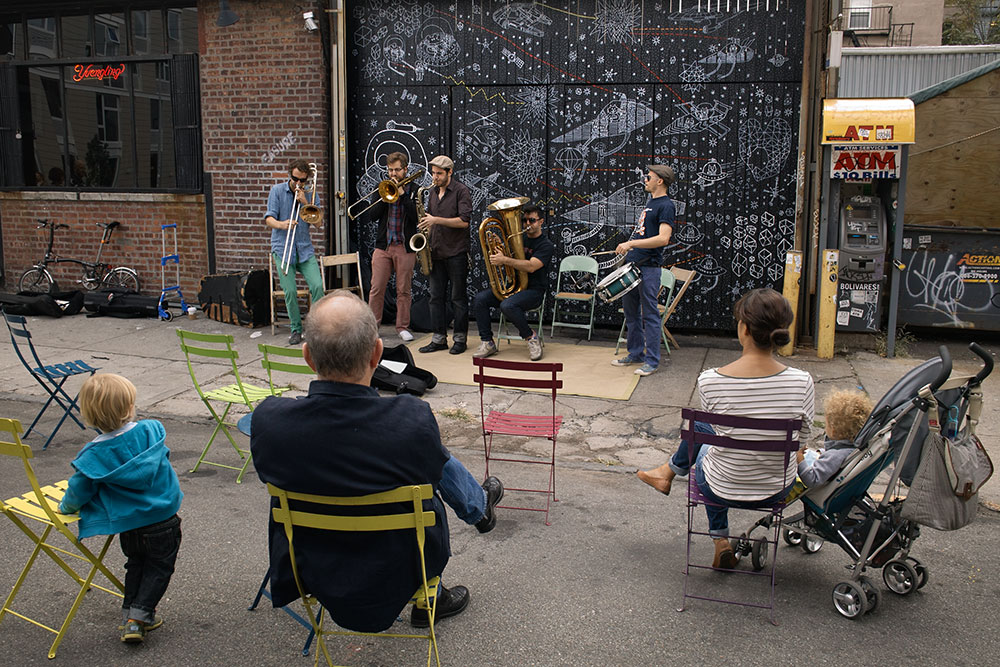
    williamsburgbandNorth 3rd Street, Williamsburg, Brooklyn (digital) — © Brian Rose
    Without comment.


  • New York/Statue of Liberty

    sol01
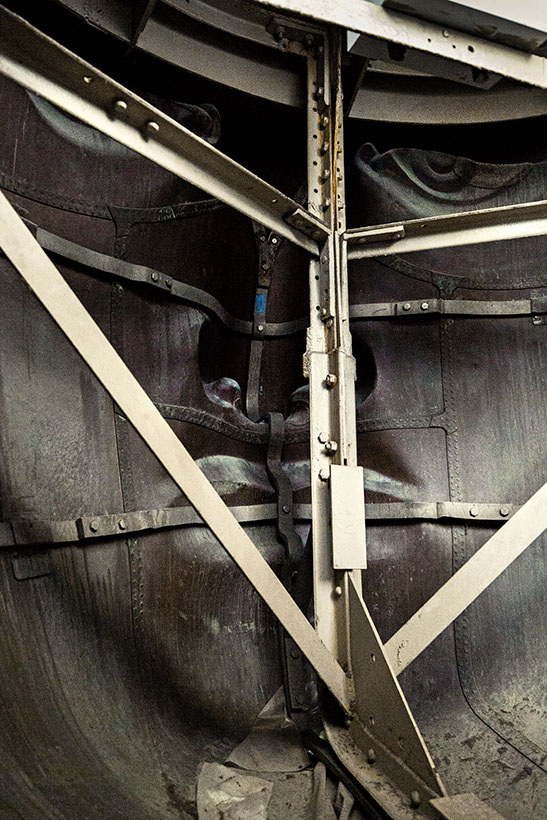
    Behind the face of the Statue of Liberty — © Brian Rose

    Lady Liberty looks on in horror.

    Republican extremists threaten to fly planes into the world economy.


  • New York/Statue of Liberty

    sol036
    Inside the Statue of Liberty — © Brian Rose

    Closed by a traitorous gang of political thugs.


  • New York/Statue of Liberty

    sol048From inside crown of the Statue of Liberty (digital) — © Brian Rose

    Statue of Liberty still held hostage by militant insurgents in Congress.


  • New York/Statue of Liberty

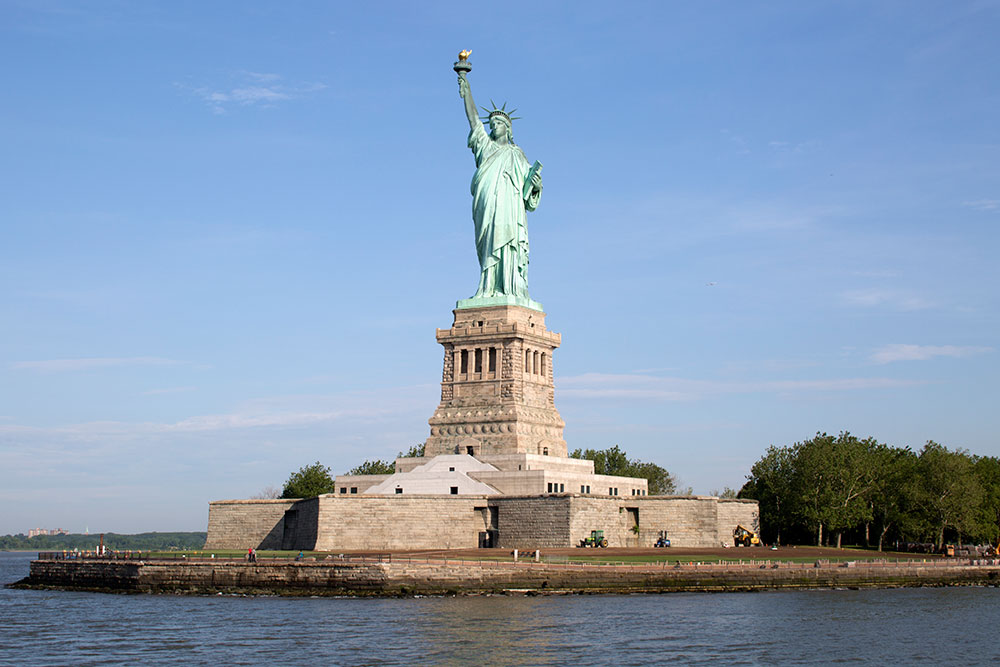
    statueoflibertyStatue of Liberty (digital) — © Brian Rose

    Closed due to (attempted) coup d’état.


  • New York/Jumping the Shark

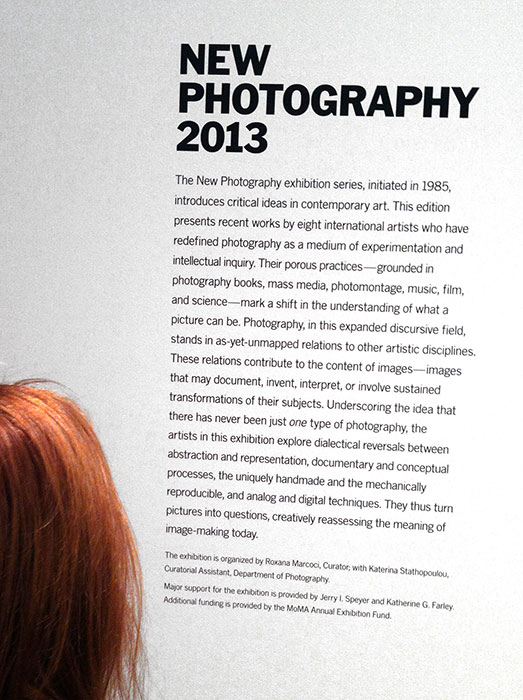
    newphotography
    Museum of Modern Art — © Brian Rose

    Way back when — the late 70s — I studied with Hans Haacke, the distinguished political/conceptual artist. Although I did not go in that direction as a photographer, it was an important experience for me, and I have believed ever sense, that art should be grounded in historical and political context, that it needs to interact dialectically with the world we live in. This process, to me, does not necessarily resolve the questions surrounding truth and beauty, but it exposes or illuminates the language — visual or textual — that we use when we talk about these ineffable things.

    Does this make sense to you? Maybe, maybe not. It’s a little dangerous going down this road, especially a road so well-trodden and rutted as to be, perhaps, irrelevant.

    In New Photography 2013 at the Museum of Modern Art we get to go down this and other well-worn paths concerning conceptual/polemical photography. Curator Roxana Marcoci asserts that “there has never been just one type of photography,” as if throwing down a gauntlet. Her show presents a group of photographers who “have redefined photography as a medium of experimentation and intellectual inquiry.” In this show it is not enough to focus attention on individual artists who are attempting to stake out some small scrap of new turf in an already expansive field. No, they must be doing something truly ground breaking, “creatively reassessing the meaning of image-makingtoday.”

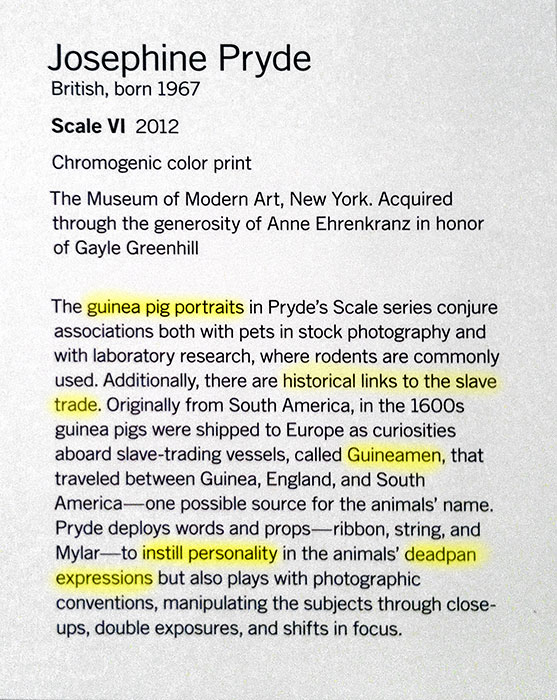
    guineapig
    Museum of Modern Art text panel

    Please read the text panel above. It is, of course, not necessary or desirable to actually see the photographs. The meaning is in the text. Were one to encounter the above guinea pig portraits unburdened of their meaning, one might miss the “historical links to the slave trade,” and one might gaze in bafflement at the “ribbon, string, and Mylar” intended to animate the “deadpan expressions” of these furry rodents.

    One might, in all likelihood, not care one way or another about any of these photographs, and move on to other, hopefully more trenchant, examples of social and aesthetic engagement. Say, for instance, the Walker Evans “American Photographs” upstairs in the museum, which still look pretty new 75 years after they were made.

    I believe this is one of those moments characterized by the expression “jumping the shark.” In this case guinea pigs.


  • New York/Williamsburg

    kent_n10Kent Avenue and N10th, Williamsburg, Brooklyn (digital) — © Brian Rose

    Without comment.


  • New York/WTC

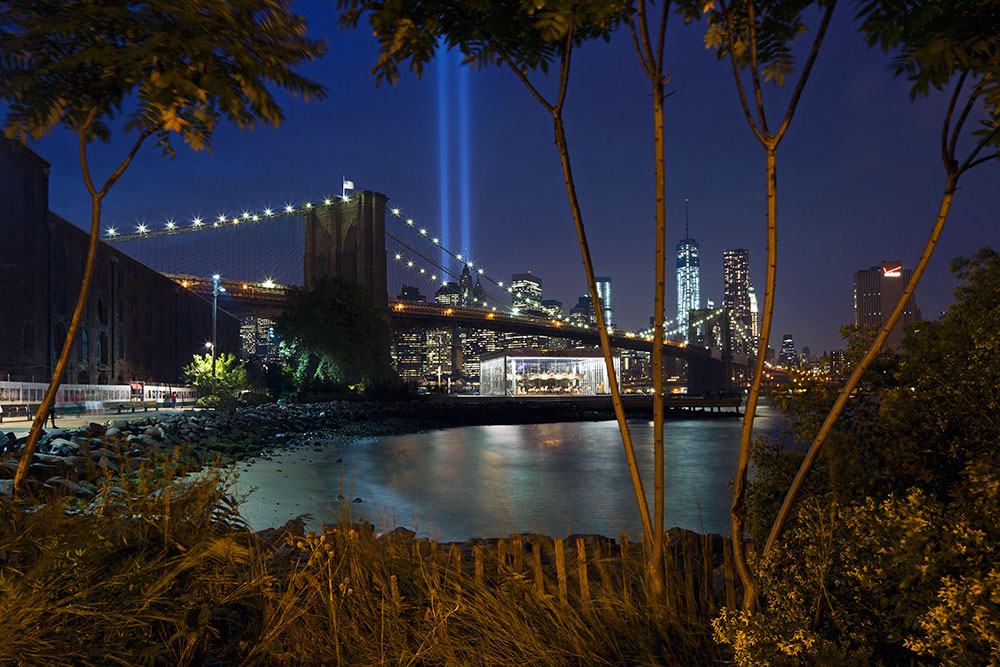
    tributeinlight01Tribute in Light 2013 (digital) — © Brian Rose

    I was up in the Bronx photographing a Fordham University office space. After that I headed down to Brooklyn with my assistant Chris Gallagher. I wanted to get an image of the Tribute in Light — two focused beams of light symbolic of the Twin Towers.

    I’d been thinking of a good location for a while, and decided upon the park just above the Brooklyn Bridge near Jane’s Carrousel. We walked around for about an hour looking for a good spot. The area was swarming with photographers carrying everything from iPhones to zoom lensed SLRs. Unsurprisingly, I appeared to be the only person with a view camera.

    I found my vantage point — at a safe distance from the shutterbugs — and alternated shooting with 4×5 film and the Canon 5D Mark III (for those interested in such things) that I’d been using for my earlier architectural shoot. The image above was made with the latter.

    It was an exceedingly warm, muggy, and windless night. But good for long exposures with the view camera. Dozens of people took up stations nearby awaiting the lights. As it got darker I became aware of the amber glow from a nearby streetlight being thrown on my foreground. The result has a strange theatricality, almost like the different elements were pasted together.

    I’m picking up the 4×5 film later in the day. It will be interesting to compare to the digital image..