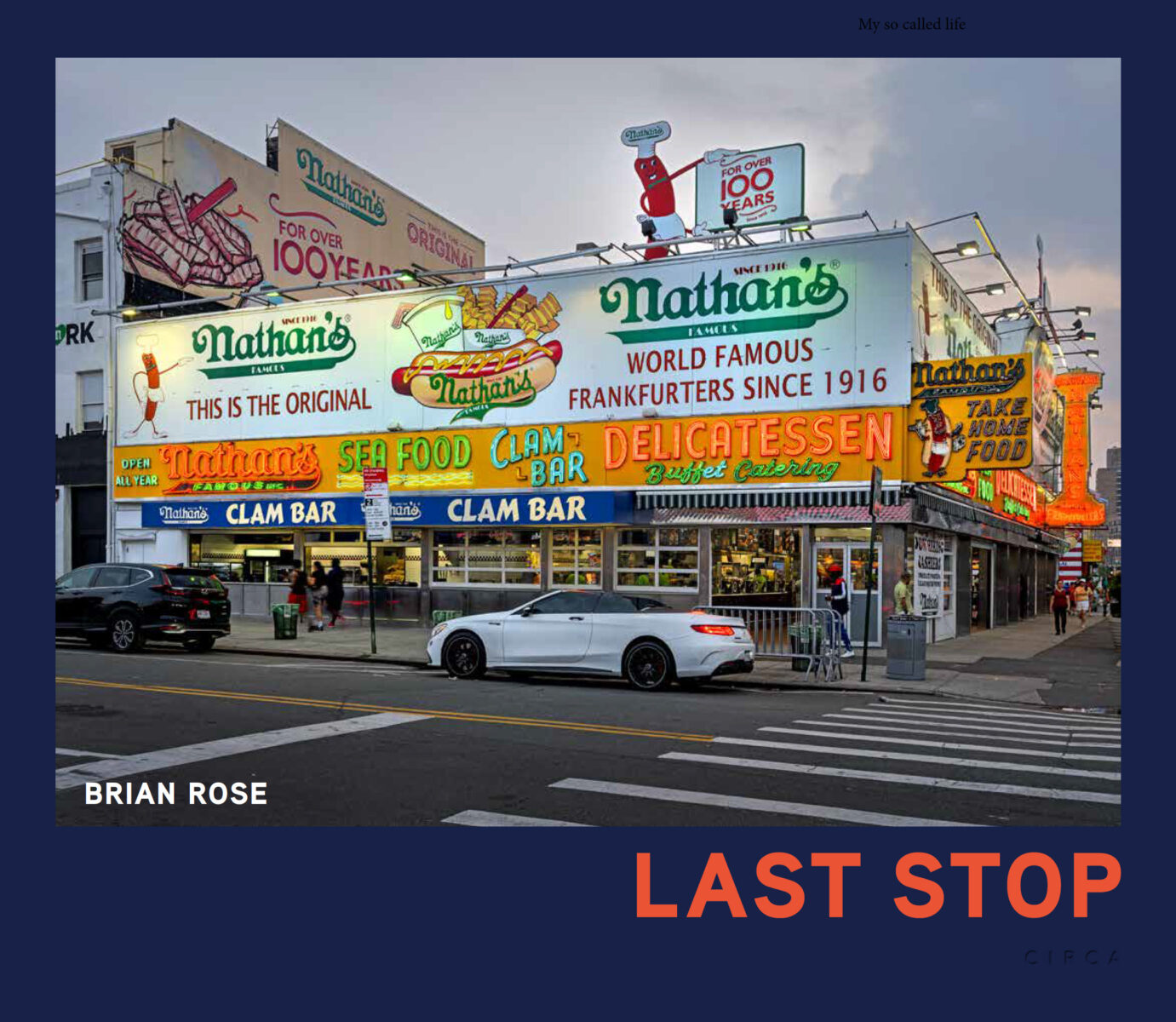
Over the course of a year, I have photographed the neighborhoods at the ends of all of the subway lines in New York City. There are multiple reasons for engaging in this project, but the strongest for me is a desire to portray New York as a highly diverse, multi-centered metropolis, one that has expanded and grown far beyond Manhattan and some of the well-known neighborhoods of Brooklyn. Manhattan, while still central to the story, has become more homogenous with little manufacturing and few of the distinct market districts like the historic Fulton Fish Market and Meatpacking District that once defined the fabric of the city. Those areas are now entertainment and shopping destinations. Like most of the major cities of the world, New York City has become a tourist mecca and a staging platform for international brands.
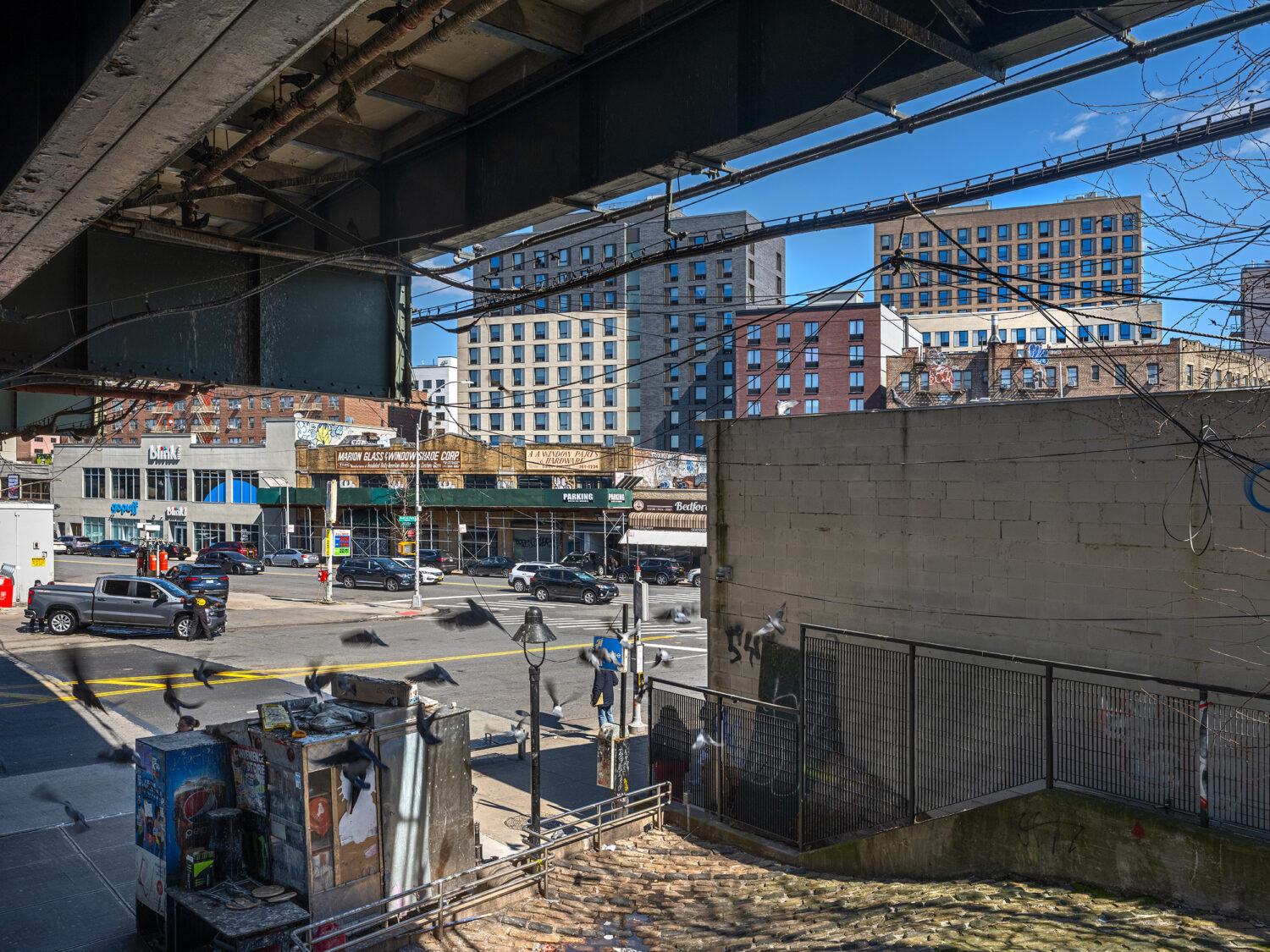
Many New York old-timers cling to the past and insist that “back then” was the authentic city, suggesting that the present is a kind of faux New York, a shadow of its grittier, more vital, self. I understand where that perspective comes from, but it is belied by a population that has grown tremendously since the ‘70s and ‘80s, and by the spatial atomization of the city that has created a galaxy of new economic centers and ethnic enclaves. I discovered that new city as I rode the subway system to its far-flung reaches.
I did the entire project on foot and by train, visiting 44 locations, some more than once. I researched each neighborhood before setting out, often “walking” the streets on Google street view to get a feel for the lay of the land. But no amount of virtual travel compares with actual experience, and each neighborhood I explored offered surprises and moments of revelation. My perambulations took me from the glassy tourist havens of Hudson Yards to some of the poorest areas of East New York.
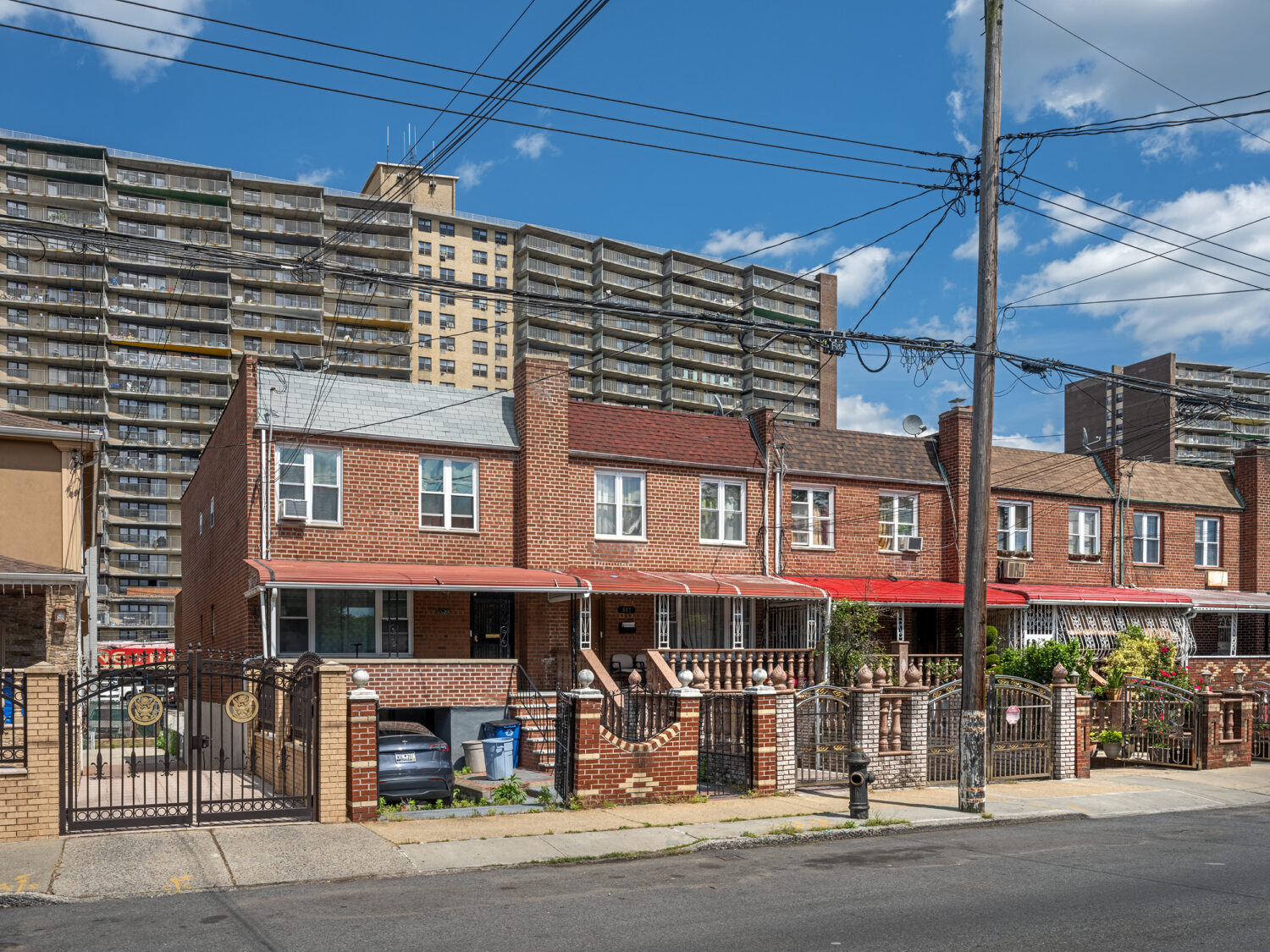
Having spent a major part of my career photographing New York through often challenging times – the dichotomy of destruction and creativity of 1980, the mortal wounding of 9/11, and the suspended animation of the Covid-19 pandemic – I felt that I was uniquely equipped to document New York at this moment of political uncertainty under the increased strain of new arrivals, many of whom are refugees from around the world. For a new generation of New Yorkers, the trains roll on ceaselessly, and despite the title, “Last Stop” is not so much about endings as it is about reinvention.
You can find Last Stop in book stores and online on Amazon:
https://a.co/d/0X7dxP9